




- Artificial Intelligence in Cancer
- Artificial Intelligence in Gastroenterology
- Artificial Intelligence in Gastrointestinal Endoscopy
- Artificial Intelligence in Medical Imaging
- World Journal of Anesthesiology
- World Journal of Biological Chemistry
- World Journal of Cardiology
- World Journal of Clinical Cases
- World Journal of Clinical Infectious Diseases
- World Journal of Clinical Oncology
- World Journal of Clinical Pediatrics
- World Journal of Clinical Urology
- World Journal of Critical Care Medicine
- World Journal of Dermatology
- World Journal of Diabetes
- World Journal of Experimental Medicine
- World Journal of Gastroenterology
- World Journal of Gastrointestinal Endoscopy
- World Journal of Gastrointestinal Oncology
- World Journal of Gastrointestinal Pathophysiology
- World Journal of Gastrointestinal Pharmacology and Therapeutics
- World Journal of Gastrointestinal Surgery
- World Journal of Hematology
- World Journal of Hepatology
- World Journal of Hypertension
- World Journal of Immunology
- World Journal of Medical Genetics
- World Journal of Meta-Analysis
- World Journal of Methodology
- World Journal of Nephrology
- World Journal of Neurology
- World Journal of Obstetrics and Gynecology
- World Journal of Ophthalmology
- World Journal of Orthopedics
- World Journal of Otorhinolaryngology
- World Journal of Pharmacology
- World Journal of Psychiatry
- World Journal of Radiology
- World Journal of Respirology
- World Journal of Rheumatology
- World Journal of Stem Cells
- World Journal of Stomatology
- World Journal of Surgical Procedures
- World Journal of Translational Medicine
- World Journal of Transplantation
- World Journal of Virology
- 世界华人消化杂志
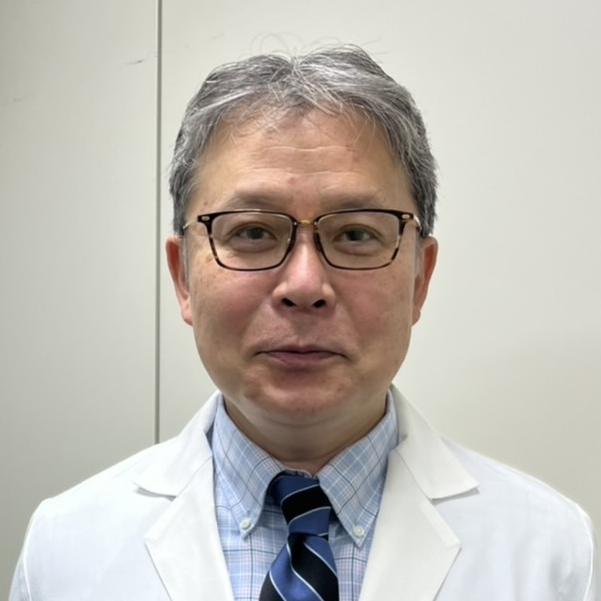
Kengo Moriyama, MD, PhD, is a Professor at Tokai University School of Medicine and Director of the Health Evaluation and Protection Center, Tokai University Hachioji Hospital, Japan. His academic work focuses on identifying clinically useful biomarkers that link lifestyle habits, insulin resistance, dyslipidemia, hepatic steatosis, metabolic syndrome, and cardiometabolic risk in individuals undergoing annual health evaluation. Dr. Moriyama’s research is characterized by the use of real-world health checkup data to clarify how routine laboratory markers and advanced lipid-related biomarkers can be applied to preventive medicine. He aims to translate findings from apparently healthy or asymptomatic populations into practical approaches for early risk detection, lifestyle intervention, and individualized health guidance. A particular feature of his work is the integration of lipid metabolism, insulin resistance, liver-related markers, and lifestyle information in Japanese health checkup populations. He has investigated high-density lipoprotein cholesterol and its subclasses, including HDL2 cholesterol and HDL3 cholesterol, in relation to lifestyle habits, insulin resistance, high-molecular-weight adiponectin, serum uric acid, and components of metabolic syndrome. His studies have contributed to a better understanding of sex-related differences in HDL cholesterol levels and HDL subclasses in Japanese populations. He has also examined the clinical significance of the HDL2-C/HDL3-C ratio as a marker associated with insulin resistance and metabolic abnormalities. Dr. Moriyama has a strong research interest in triglyceride-related metabolic risk, particularly the triglyceride to high-density lipoprotein cholesterol ratio. His work has shown that this ratio is associated with metabolic syndrome, insulin resistance, lifestyle habits, and low-density lipoprotein subclasses in Japanese health checkup participants. He has also studied other lipid-related and inflammatory biomarkers, including small dense low-density lipoprotein cholesterol, oxidized low-density lipoprotein-related markers, platelet-related indices, and adiponectin, to evaluate residual cardiometabolic risk that may not be fully captured by conventional lipid measurements. In addition to lipid metabolism and cardiometabolic risk, Dr. Moriyama is interested in hepatic steatosis and metabolic dysfunction-associated steatotic liver disease. His recent work has focused on evaluation methods for hepatic steatosis, ranging from conventional techniques to emerging biomarkers, with the aim of improving risk assessment in preventive and clinical health settings. Through these studies, he seeks to contribute to evidence-based health screening, early detection of metabolic disorders, and prevention of cardiovascular and liver-related diseases.