




- Artificial Intelligence in Cancer
- Artificial Intelligence in Gastroenterology
- Artificial Intelligence in Gastrointestinal Endoscopy
- Artificial Intelligence in Medical Imaging
- World Journal of Anesthesiology
- World Journal of Biological Chemistry
- World Journal of Cardiology
- World Journal of Clinical Cases
- World Journal of Clinical Infectious Diseases
- World Journal of Clinical Oncology
- World Journal of Clinical Pediatrics
- World Journal of Clinical Urology
- World Journal of Critical Care Medicine
- World Journal of Dermatology
- World Journal of Diabetes
- World Journal of Experimental Medicine
- World Journal of Gastroenterology
- World Journal of Gastrointestinal Endoscopy
- World Journal of Gastrointestinal Oncology
- World Journal of Gastrointestinal Pathophysiology
- World Journal of Gastrointestinal Pharmacology and Therapeutics
- World Journal of Gastrointestinal Surgery
- World Journal of Hematology
- World Journal of Hepatology
- World Journal of Hypertension
- World Journal of Immunology
- World Journal of Medical Genetics
- World Journal of Meta-Analysis
- World Journal of Methodology
- World Journal of Nephrology
- World Journal of Neurology
- World Journal of Obstetrics and Gynecology
- World Journal of Ophthalmology
- World Journal of Orthopedics
- World Journal of Otorhinolaryngology
- World Journal of Pharmacology
- World Journal of Psychiatry
- World Journal of Radiology
- World Journal of Respirology
- World Journal of Rheumatology
- World Journal of Stem Cells
- World Journal of Stomatology
- World Journal of Surgical Procedures
- World Journal of Translational Medicine
- World Journal of Transplantation
- World Journal of Virology
- 世界华人消化杂志
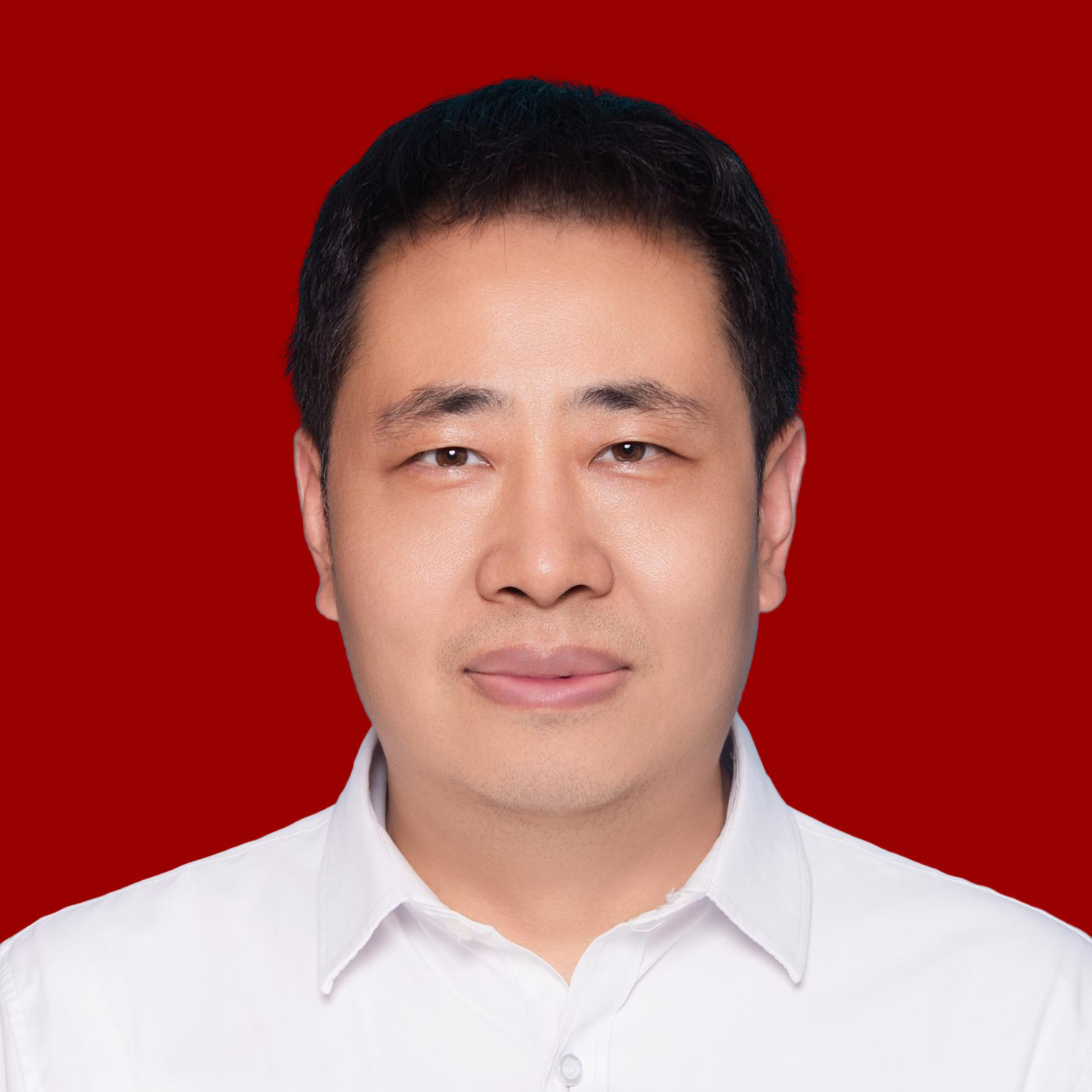
Dr. Wujie Zhang, Ph.D., is Professor of Biomolecular Engineering at the Milwaukee School of Engineering (MSOE), Milwaukee, Wisconsin, USA, and Adjunct Professor at the Clinical and Translational Science Institute, Medical College of Wisconsin. His research focuses on the applications of stem cells in medicine, regenerative medicine, biomaterials, tissue engineering, drug delivery, and nanomedicine, with the goal of developing innovative biomaterial-based platforms and bioengineered systems that translate fundamental discoveries into clinically relevant therapies for tissue regeneration and disease treatment. His work is distinguished by its interdisciplinary integration of stem cell engineering, hydrogel biomaterials, micro- and nanotechnology, bioprinting, and controlled drug delivery, bridging engineering principles with biomedical applications to address unmet clinical challenges. Dr. Zhang has authored more than 50 peer-reviewed journal articles, including numerous publications as first author or corresponding author in internationally recognized journals such as ACS Nano, Acta Biomaterialia, Lab on a Chip, Journal of Materials Chemistry B, Tissue Engineering Part A, Pharmaceutics, Nanomaterials, Polymers, and Bioengineering. He has also authored four academic books, including Cell Culture and Tissue Engineering, Nanotechnology for Bioengineers, Biopolymer Engineering, and Fundamentals and Design of Drug Delivery Systems, and has delivered numerous invited lectures and presentations at international scientific conferences and academic institutions. His publications have accumulated more than 2,400 citations, and his current Google Scholar h-index is 23 (i10-index: 35). His scholarly achievements have been recognized through numerous honors, including the Oscar Werwath Distinguished Teacher Award, Undergraduate Research Mentoring Award, Young Engineer of the Year, Karl O. Werwath Engineering Research Award, Falk Engineering Educator Award, and recognition as one of Wisconsin's Most Influential Asian American Leaders. He is an active member of the American Chemical Society (ACS), American Institute of Chemical Engineers (AIChE), Biomedical Engineering Society (BMES), American Society for Engineering Education (ASEE), Society for Biological Engineers (SBE), the American Society of Agricultural and Biological Engineers (ASABE), and the World Association for Chinese Biomedical Engineers (WACBE). In addition to his research accomplishments, Dr. Zhang has made substantial contributions to the scientific publishing community through editorial leadership and peer review. He currently serves as Associate Editor of BioMedical Engineering OnLine, Co-Editor-in-Chief of the Journal of Chemical Engineering Research Updates, Editorial Board Member for several international journals, including Therapeutic Delivery and the Journal of Biomaterials and Tissue Engineering, Topic Editor for Bioengineering, and Guest Editor for multiple special issues. He has peer reviewed more than 200 manuscripts for leading international journals in stem cell research, regenerative medicine, biomaterials, nanotechnology, drug delivery, and biomedical engineering, and is committed to promoting rigorous peer review, research integrity, and excellence in scientific publishing. Dr. Zhang's long-term research interests center on the biomedical applications of stem cells, regenerative medicine, biomaterials, biofabrication, controlled drug delivery, and translational biomedical engineering. His laboratory is actively developing advanced hydrogel systems, artificial red blood cells, bioprinted vascularized tissues, bioactive microcapsules, and sustainable biomaterials for regenerative medicine and pharmaceutical applications. Through interdisciplinary collaboration and translational research, he seeks to bridge engineering innovation with clinical medicine to develop next-generation therapeutic technologies that improve human health. Throughout his academic career, Dr. Zhang has demonstrated strong professional competencies in active listening, scientific communication, interdisciplinary collaboration, leadership, mentoring, research management, and analytical problem solving. He has successfully mentored undergraduate researchers, supervised multidisciplinary research projects, collaborated with investigators across engineering, medicine, chemistry, and life sciences, secured competitive research funding, and served in numerous academic leadership roles. His extensive editorial experience, combined with his commitment to scientific rigor, fairness, and constructive peer review, enables him to make meaningful contributions to the editorial process and the advancement of high-quality scholarly journals. Outside of his professional activities, Dr. Zhang enjoys reading scientific literature, mentoring students, exploring emerging technologies, traveling, participating in community service, and spending quality time with his family and friends. He believes that curiosity, lifelong learning, collaboration, and service are fundamental to advancing science and improving human health.