




- Artificial Intelligence in Cancer
- Artificial Intelligence in Gastroenterology
- Artificial Intelligence in Gastrointestinal Endoscopy
- Artificial Intelligence in Medical Imaging
- World Journal of Anesthesiology
- World Journal of Biological Chemistry
- World Journal of Cardiology
- World Journal of Clinical Cases
- World Journal of Clinical Infectious Diseases
- World Journal of Clinical Oncology
- World Journal of Clinical Pediatrics
- World Journal of Clinical Urology
- World Journal of Critical Care Medicine
- World Journal of Dermatology
- World Journal of Diabetes
- World Journal of Experimental Medicine
- World Journal of Gastroenterology
- World Journal of Gastrointestinal Endoscopy
- World Journal of Gastrointestinal Oncology
- World Journal of Gastrointestinal Pathophysiology
- World Journal of Gastrointestinal Pharmacology and Therapeutics
- World Journal of Gastrointestinal Surgery
- World Journal of Hematology
- World Journal of Hepatology
- World Journal of Hypertension
- World Journal of Immunology
- World Journal of Medical Genetics
- World Journal of Meta-Analysis
- World Journal of Methodology
- World Journal of Nephrology
- World Journal of Neurology
- World Journal of Obstetrics and Gynecology
- World Journal of Ophthalmology
- World Journal of Orthopedics
- World Journal of Otorhinolaryngology
- World Journal of Pharmacology
- World Journal of Psychiatry
- World Journal of Radiology
- World Journal of Respirology
- World Journal of Rheumatology
- World Journal of Stem Cells
- World Journal of Stomatology
- World Journal of Surgical Procedures
- World Journal of Translational Medicine
- World Journal of Transplantation
- World Journal of Virology
- 世界华人消化杂志
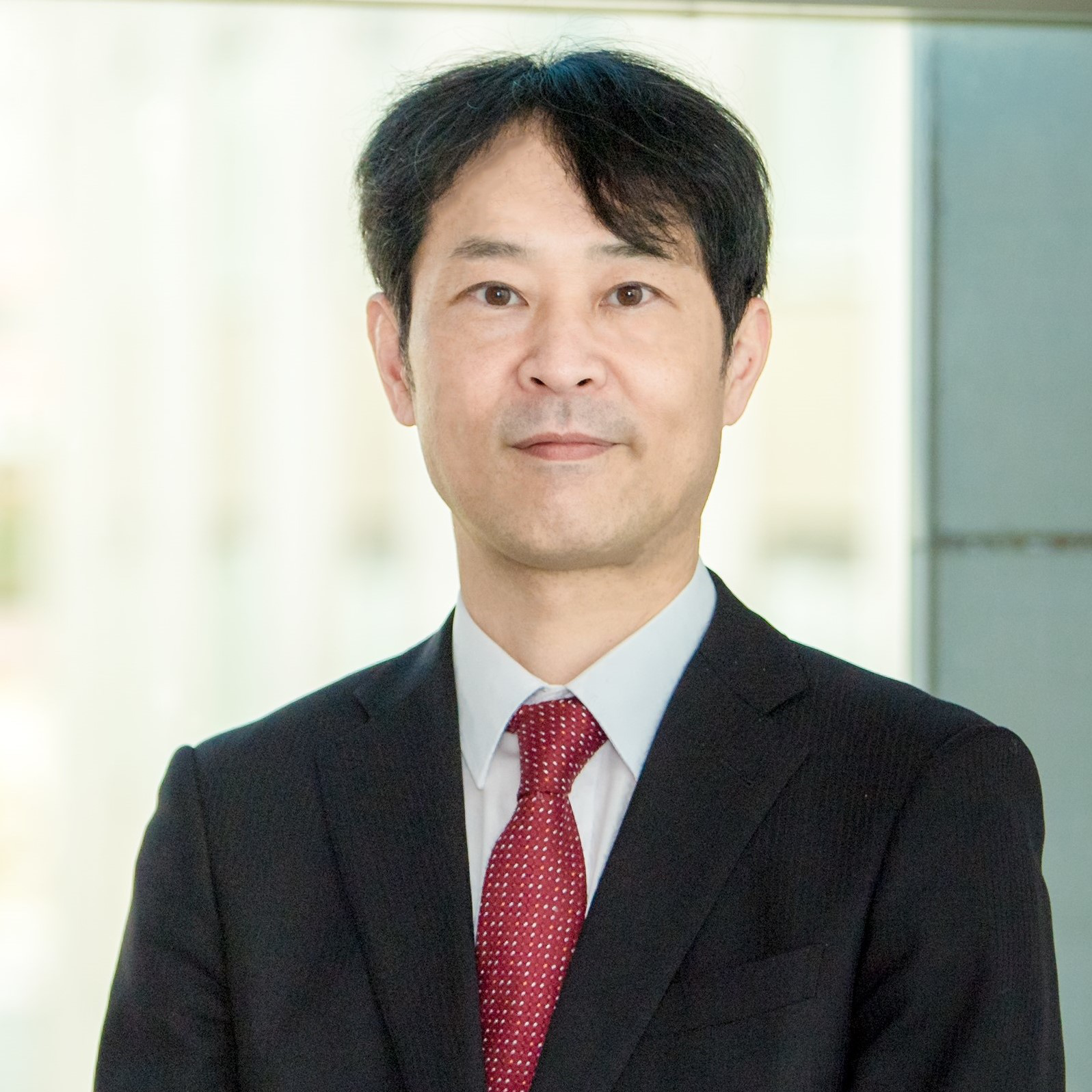
Yoshihiro Kamada, MD, PhD, is a Japanese hepatologist and gastroenterologist whose work bridges basic glycobiology and clinical hepatology, with a particular focus on metabolic dysfunction associated steatotic liver disease (MASLD), non invasive diagnostics, and liver related outcomes. He is a Professor in the Graduate School of Medicine at Osaka University, where he leads an advanced hepatology and glycobiology research group and is actively involved in both patient care and translational research on fatty liver disease and hepatocellular carcinoma. After graduating from Osaka University School of Medicine, he completed clinical training in internal medicine and gastroenterology, and subsequently developed an academic career at Osaka University through positions in hepatology related departments before assuming his current professorship. Dr. Kamada’s early work focused on the pathophysiological role of adiponectin and visceral adiposity in liver disease, using a variety of mouse models and epidemiologic studies. He reported that adiponectin deficiency exacerbates carbon tetrachloride induced liver fibrosis and lipopolysaccharide/D galactosamine–induced liver injury, thereby clarifying protective roles of adiponectin against liver inflammation and fibrosis. He also demonstrated that hypoadiponectinemia and visceral obesity are significant determinants of hepatic dysfunction in large Japanese cohorts, linking metabolic factors to liver disease at a population level. These findings contributed to understanding how obesity related adipocytokine dysregulation promotes steatohepatitis, fibrosis, and even hepatocarcinogenesis, and they laid the foundation for his long standing interest in MASLD and metabolic hepatology. In parallel, Dr. Kamada has been a key contributor to glycobiology driven biomarker discovery in hepatology and pancreatology. He helped establish fucosylated haptoglobin and Mac 2 binding protein (M2BP) as clinically relevant glyco biomarkers, showing that serum Mac 2 binding protein levels associate with metabolic parameters and predict progression of liver fibrosis and liver related events in subjects with fatty liver disease in longitudinal studies. His group developed and refined lectin based immunoassays and enzyme linked immunosorbent assay systems to quantify core fucosylated haptoglobin and M2BP, and they demonstrated their diagnostic and prognostic utility in non alcoholic fatty liver disease, chronic pancreatitis, ulcerative colitis, and pancreatic cancer. Through these works, he has been central in translating complex glycan biology into practical tools that can be used in clinical decision making. More recently, Dr. Kamada has become one of the leading investigators in Japan’s large multicenter clinical research programs on MASLD and non alcoholic fatty liver disease (NAFLD). As an executive member of the Japan Study Group of NAFLD (JSG NAFLD), he has contributed to nationwide registry based cohort studies that clarified the clinical outcomes and risk factors for liver related events, hepatocellular carcinoma, cardiovascular events, and extrahepatic malignancies in biopsy proven NAFLD/MASLD. His work on the FIB 4 index, Agile 3/Agile 4, platelet counts, and composite non invasive tests has shown that simple blood based and elastography based markers can effectively stratify fibrosis severity and future liver related events in Japanese patients. He has also participated in studies validating non invasive markers for hepatocellular carcinoma risk and refining thresholds for vibration controlled transient elastography (VCTE) and Enhanced Liver Fibrosis (ELF) tests to identify treatment eligible fibrosis stages. A hallmark of Dr. Kamada’s recent contributions is the development of real world diagnostic and referral algorithms for MASLD in Japan. He has co authored expert reviews and guidance documents that propose FIB 4 first strategies and stepwise combinations of FIB 4, M2BPGi, ELF, liver stiffness measurements, and other non invasive tests for use in primary care and specialty settings. These strategies aim to improve early detection of advanced fibrosis, optimize hepatologist referrals, and reduce unnecessary liver biopsies, particularly in the context of a growing MASLD population. In addition, he has been involved in research on lifestyle interventions, nutrient intake characterization, and diet quality (including work on quantitative color analysis of diet) in biopsy confirmed MASLD patients, thereby integrating nutritional science with non invasive risk assessment. Beyond MASLD, Dr. Kamada has participated in evidence based clinical practice guidelines for non alcoholic fatty liver disease and non alcoholic steatohepatitis, helping to shape national recommendations on diagnosis, staging, and treatment in Japan. His works also extend to hepatocellular carcinoma in NAFLD, showing clinical features of hepatocellular carcinoma arising in patients without advanced fibrosis and highlighting the need for refined surveillance strategies. In pancreatic and gastrointestinal diseases, he has contributed to studies on chronic pancreatitis, pancreatic ductal adenocarcinoma, and the role of bacterial factors such as Enterococcus species, as well as to the development of glycan based biomarkers and mechanistic insights into core fucosylation and TRAIL sensitivity. Dr. Kamada has authored or co authored more than 300 peer reviewed articles, including original research, expert reviews, and guideline papers in journals such as Journal of Gastroenterology, Hepatology Research, Hepatology, Journal of Hepatology, Clinical Gastroenterology and Hepatology, Hepatology Communications, and Nutrients. He serves on several editorial boards, including Journal of Gastroenterology (Editorial Board Member), Hepatology Research (Associate Editor), Journal of Gastroenterology and Hepatology Research (Editorial Board Member), and Cancers, and he has contributed to international and domestic consensus activities such as the Japan Noninvasive Test Forum (JANIT). Through these roles, he has actively promoted evidence based use of non invasive tests and advanced glycobiomarkers in the management of fatty liver disease and related metabolic disorders. Overall, Yoshihiro Kamada has established a unique academic profile at the interface of clinical hepatology, metabolism, and glycobiology. His work has helped define how adipocytokines, metabolic risk factors, and glycan modifications drive steatohepatitis, fibrosis progression, and hepatocarcinogenesis, while simultaneously providing practical non invasive tools to diagnose and monitor these processes in daily clinical practice. By combining mechanistic basic research, large scale multicenter clinical studies, and active involvement in guideline and algorithm development, he continues to play a leading role in shaping the future of MASLD care and liver related risk stratification in Japan and beyond.