




- Artificial Intelligence in Cancer
- Artificial Intelligence in Gastroenterology
- Artificial Intelligence in Gastrointestinal Endoscopy
- Artificial Intelligence in Medical Imaging
- World Journal of Anesthesiology
- World Journal of Biological Chemistry
- World Journal of Cardiology
- World Journal of Clinical Cases
- World Journal of Clinical Infectious Diseases
- World Journal of Clinical Oncology
- World Journal of Clinical Pediatrics
- World Journal of Clinical Urology
- World Journal of Critical Care Medicine
- World Journal of Dermatology
- World Journal of Diabetes
- World Journal of Experimental Medicine
- World Journal of Gastroenterology
- World Journal of Gastrointestinal Endoscopy
- World Journal of Gastrointestinal Oncology
- World Journal of Gastrointestinal Pathophysiology
- World Journal of Gastrointestinal Pharmacology and Therapeutics
- World Journal of Gastrointestinal Surgery
- World Journal of Hematology
- World Journal of Hepatology
- World Journal of Hypertension
- World Journal of Immunology
- World Journal of Medical Genetics
- World Journal of Meta-Analysis
- World Journal of Methodology
- World Journal of Nephrology
- World Journal of Neurology
- World Journal of Obstetrics and Gynecology
- World Journal of Ophthalmology
- World Journal of Orthopedics
- World Journal of Otorhinolaryngology
- World Journal of Pharmacology
- World Journal of Psychiatry
- World Journal of Radiology
- World Journal of Respirology
- World Journal of Rheumatology
- World Journal of Stem Cells
- World Journal of Stomatology
- World Journal of Surgical Procedures
- World Journal of Translational Medicine
- World Journal of Transplantation
- World Journal of Virology
- 世界华人消化杂志
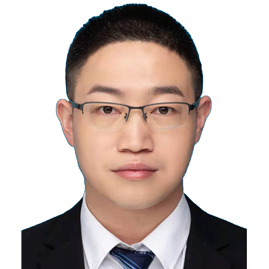
Xiong Wang, PhD, is a clinician-scientist and principal investigator at the Department of Laboratory Medicine, Tongji Hospital, Tongji Medical College, Huazhong University of Science and Technology, China. His research focuses on cancer multi-omics, non-coding RNA biology, tumor immune microenvironment, molecular diagnostics, and interpretable bioinformatics tools, with the goal of translating large-scale cancer omics data into clinically meaningful biomarkers, diagnostic models, and therapeutic hypotheses; what differentiates his work is the integration of laboratory medicine, computational oncology, molecular diagnostics, and translational cancer research. He has published at least 17 oncology-related articles as first/co-first author or corresponding/co-corresponding author in peer-reviewed journals, including Frontiers in Oncology, Scientific Reports, Annals of Hematology, Annals of Surgical Oncology, Talanta, Bioinformatics, BMC Bioinformatics, Discover Oncology, and Journal of Analytical Atomic Spectrometry, with representative contributions covering circular RNAs in human cancer, colorectal cancer, ovarian cancer, glioma, pancreatic cancer, acute myeloid leukemia, breast cancer detection, prostate cancer methylation diagnostics, and the development of CancerOmicsStudio, a web server for integrative and interpretable multi-omics cancer analysis; according to Google Scholar, his publications have received more than 11,400 citations, with an H-index of 32 and an i10-index of 65. Beyond his own publications, he contributes to academic journals through peer review and scholarly service, supporting the evaluation, improvement, and dissemination of high-quality biomedical research. His long-term professional goal is to develop clinically interpretable cancer biomarkers and decision-support tools by combining tumor biology, non-coding RNA regulation, molecular pathology, artificial intelligence-assisted diagnostics, and multi-omics data integration, particularly in precision oncology and laboratory medicine. He has distinctive strengths in active listening, scientific communication, interdisciplinary collaboration, leadership, mentoring, project management, and problem-solving, which enable him to guide students and collaborators, coordinate multidisciplinary research projects, refine research questions, and translate complex biological and computational findings into practical clinical and laboratory medicine applications. His broader academic vision is to bridge discovery-oriented cancer biology and real-world clinical diagnostics, so that omics-based findings can be converted into robust, reproducible, and clinically useful tools for cancer detection, classification, prognosis, and therapeutic stratification.