




- Artificial Intelligence in Cancer
- Artificial Intelligence in Gastroenterology
- Artificial Intelligence in Gastrointestinal Endoscopy
- Artificial Intelligence in Medical Imaging
- World Journal of Anesthesiology
- World Journal of Biological Chemistry
- World Journal of Cardiology
- World Journal of Clinical Cases
- World Journal of Clinical Infectious Diseases
- World Journal of Clinical Oncology
- World Journal of Clinical Pediatrics
- World Journal of Clinical Urology
- World Journal of Critical Care Medicine
- World Journal of Dermatology
- World Journal of Diabetes
- World Journal of Experimental Medicine
- World Journal of Gastroenterology
- World Journal of Gastrointestinal Endoscopy
- World Journal of Gastrointestinal Oncology
- World Journal of Gastrointestinal Pathophysiology
- World Journal of Gastrointestinal Pharmacology and Therapeutics
- World Journal of Gastrointestinal Surgery
- World Journal of Hematology
- World Journal of Hepatology
- World Journal of Hypertension
- World Journal of Immunology
- World Journal of Medical Genetics
- World Journal of Meta-Analysis
- World Journal of Methodology
- World Journal of Nephrology
- World Journal of Neurology
- World Journal of Obstetrics and Gynecology
- World Journal of Ophthalmology
- World Journal of Orthopedics
- World Journal of Otorhinolaryngology
- World Journal of Pharmacology
- World Journal of Psychiatry
- World Journal of Radiology
- World Journal of Respirology
- World Journal of Rheumatology
- World Journal of Stem Cells
- World Journal of Stomatology
- World Journal of Surgical Procedures
- World Journal of Translational Medicine
- World Journal of Transplantation
- World Journal of Virology
- 世界华人消化杂志
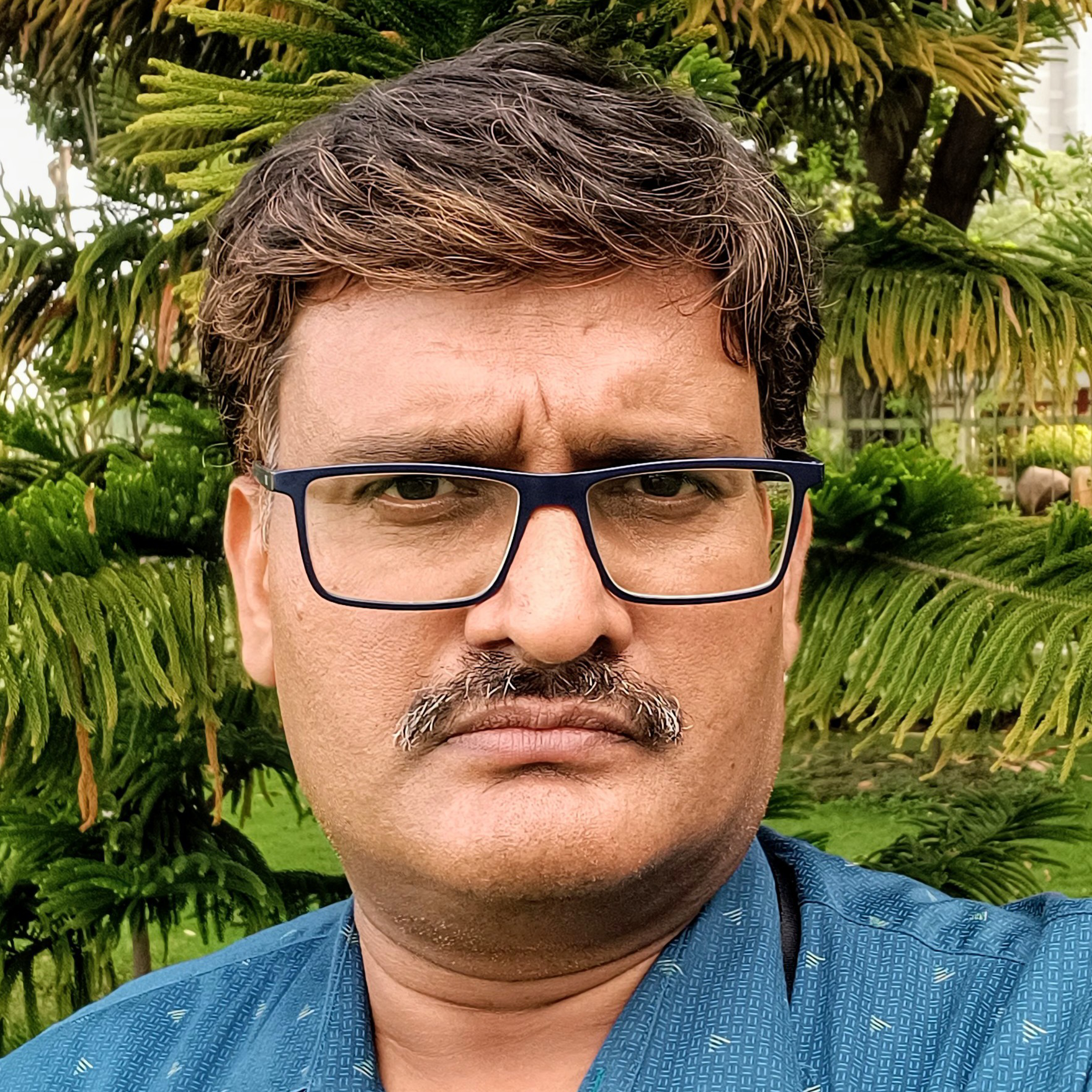
Dr. Dharmendra Maurya is a scientist specializing in radiation biology, stem cell biology, regenerative medicine, microbiome research, and molecular therapeutics. His research focuses on understanding the mechanisms of radiation-induced tissue injury and developing innovative therapeutic strategies to prevent and manage radiation-associated complications. His work integrates experimental biology, molecular medicine, bioinformatics, and translational research to identify novel interventions that improve tissue regeneration and clinical outcomes. Dr. Maurya's primary research interests include therapeutic radioprotection using probiotics for mitigating radiation-induced intestinal injury. His laboratory has demonstrated the significant radioprotective potential of probiotic therapy in preclinical mouse models, showing improved survival, preservation of intestinal architecture, restoration of gut integrity, modulation of inflammatory cytokines, and beneficial alterations in the gut microbiome following high-dose radiation exposure. These findings provide important insights into microbiome-based approaches for radiation countermeasures and supportive care during radiotherapy. In addition to probiotic research, Dr. Maurya investigates mesenchymal stem cell-based therapies for intestinal regeneration following radiation exposure. His work also explores the therapeutic potential of small molecules, including lithium chloride and valproic acid, for enhancing tissue repair and modulating inflammatory and regenerative pathways. More recently, his research has expanded to evaluate the biological effects of cold atmospheric plasma and plasma-activated media on mesenchymal stem cell physiology and regenerative function. His expertise extends to transcriptomics, proteomics, bioinformatics, systems biology, molecular docking, molecular dynamics simulations, and multi-omics data integration. He has extensive experience in analyzing high-throughput biological datasets to identify molecular pathways associated with radiation response, oxidative stress, epigenetic regulation, stem cell biology, and intestinal regeneration. Dr. Maurya has authored numerous scientific publications in internationally recognized peer-reviewed journals and actively contributes to the scientific community through manuscript reviewing and editorial activities. He is committed to promoting high-quality scientific research, interdisciplinary collaboration, and the translation of laboratory discoveries into clinically relevant therapies. His long-term research vision is to develop safe, effective, and evidence-based therapeutic interventions that improve outcomes for patients receiving radiation therapy and individuals exposed to accidental or occupational radiation.