




- Artificial Intelligence in Cancer
- Artificial Intelligence in Gastroenterology
- Artificial Intelligence in Gastrointestinal Endoscopy
- Artificial Intelligence in Medical Imaging
- World Journal of Anesthesiology
- World Journal of Biological Chemistry
- World Journal of Cardiology
- World Journal of Clinical Cases
- World Journal of Clinical Infectious Diseases
- World Journal of Clinical Oncology
- World Journal of Clinical Pediatrics
- World Journal of Clinical Urology
- World Journal of Critical Care Medicine
- World Journal of Dermatology
- World Journal of Diabetes
- World Journal of Experimental Medicine
- World Journal of Gastroenterology
- World Journal of Gastrointestinal Endoscopy
- World Journal of Gastrointestinal Oncology
- World Journal of Gastrointestinal Pathophysiology
- World Journal of Gastrointestinal Pharmacology and Therapeutics
- World Journal of Gastrointestinal Surgery
- World Journal of Hematology
- World Journal of Hepatology
- World Journal of Hypertension
- World Journal of Immunology
- World Journal of Medical Genetics
- World Journal of Meta-Analysis
- World Journal of Methodology
- World Journal of Nephrology
- World Journal of Neurology
- World Journal of Obstetrics and Gynecology
- World Journal of Ophthalmology
- World Journal of Orthopedics
- World Journal of Otorhinolaryngology
- World Journal of Pharmacology
- World Journal of Psychiatry
- World Journal of Radiology
- World Journal of Respirology
- World Journal of Rheumatology
- World Journal of Stem Cells
- World Journal of Stomatology
- World Journal of Surgical Procedures
- World Journal of Translational Medicine
- World Journal of Transplantation
- World Journal of Virology
- 世界华人消化杂志
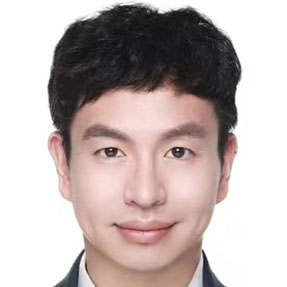
Tongmeng Jiang received his PhD degree in Surgery from Guangxi Medical University in 2018. After finishing his postdoc at the School of Materials Science and Engineering, Zhejiang University, He joined Hainan Medical University as an associate professor in June 2022. His research focuses on tissue regeneration, translational medicine, orthopedics, cardiovascular calcification, oncology, and related bone-cardio-metabolism. He won the Miami Winter Symposium Travel Award in 2018. He published over 50 articles in many reputational journals, including Interdisciplinary Medicine, Materials Today Bio, Coordination Chemistry Reviews, Genes & Diseases, Journal of Orthopaedic Translation, Theranostics, Analytical Chemistry, Sensors and Actuators B: Chemical, Translational Research, Biomaterials Research, reaching an H-index of 26 (Google Scholar). He is serving as handling editors of Frontiers in Pharmacology, Frontiers in Cardiovascular Medicine, Frontiers in Physiology and Associate Editorial Board Member of Current Molecular Medicine. He also serving as reviewer of eBook proposal for Bentham Science Publisher. He has reviewed more than 300 manuscripts with more than 80 journals including Bioactive materials, Asian journal of pharmaceutical sciences, Chinese Chemical Letters, Journal of nanobiotechnology, Stem Cell Research & Therapy, Journal of translational internal medicine, International journal of biological macromolecules, International journal of nanomedicine, Biomaterials advances, European cells & materials and etc. He has written one editorial for the journal, International Journal of Surgery. He will be engaged in long-term research on musculoskeletal diseases, vascular calcification and their interactions and metabolism, as well as the microenvironmental effects of related tumors. In the context of his research field, the unique professional skills enumerated are indispensable for fostering effective collaboration, managing projects efficiently, and driving scientific progress. Specifically, he excels in active listening, communication, mentoring, and problem-solving skills, which are crucial for collaborating with fellow scientists to generate innovative ideas and address complex challenges.