




- Artificial Intelligence in Cancer
- Artificial Intelligence in Gastroenterology
- Artificial Intelligence in Gastrointestinal Endoscopy
- Artificial Intelligence in Medical Imaging
- World Journal of Anesthesiology
- World Journal of Biological Chemistry
- World Journal of Cardiology
- World Journal of Clinical Cases
- World Journal of Clinical Infectious Diseases
- World Journal of Clinical Oncology
- World Journal of Clinical Pediatrics
- World Journal of Clinical Urology
- World Journal of Critical Care Medicine
- World Journal of Dermatology
- World Journal of Diabetes
- World Journal of Experimental Medicine
- World Journal of Gastroenterology
- World Journal of Gastrointestinal Endoscopy
- World Journal of Gastrointestinal Oncology
- World Journal of Gastrointestinal Pathophysiology
- World Journal of Gastrointestinal Pharmacology and Therapeutics
- World Journal of Gastrointestinal Surgery
- World Journal of Hematology
- World Journal of Hepatology
- World Journal of Hypertension
- World Journal of Immunology
- World Journal of Medical Genetics
- World Journal of Meta-Analysis
- World Journal of Methodology
- World Journal of Nephrology
- World Journal of Neurology
- World Journal of Obstetrics and Gynecology
- World Journal of Ophthalmology
- World Journal of Orthopedics
- World Journal of Otorhinolaryngology
- World Journal of Pharmacology
- World Journal of Psychiatry
- World Journal of Radiology
- World Journal of Respirology
- World Journal of Rheumatology
- World Journal of Stem Cells
- World Journal of Stomatology
- World Journal of Surgical Procedures
- World Journal of Translational Medicine
- World Journal of Transplantation
- World Journal of Virology
- 世界华人消化杂志
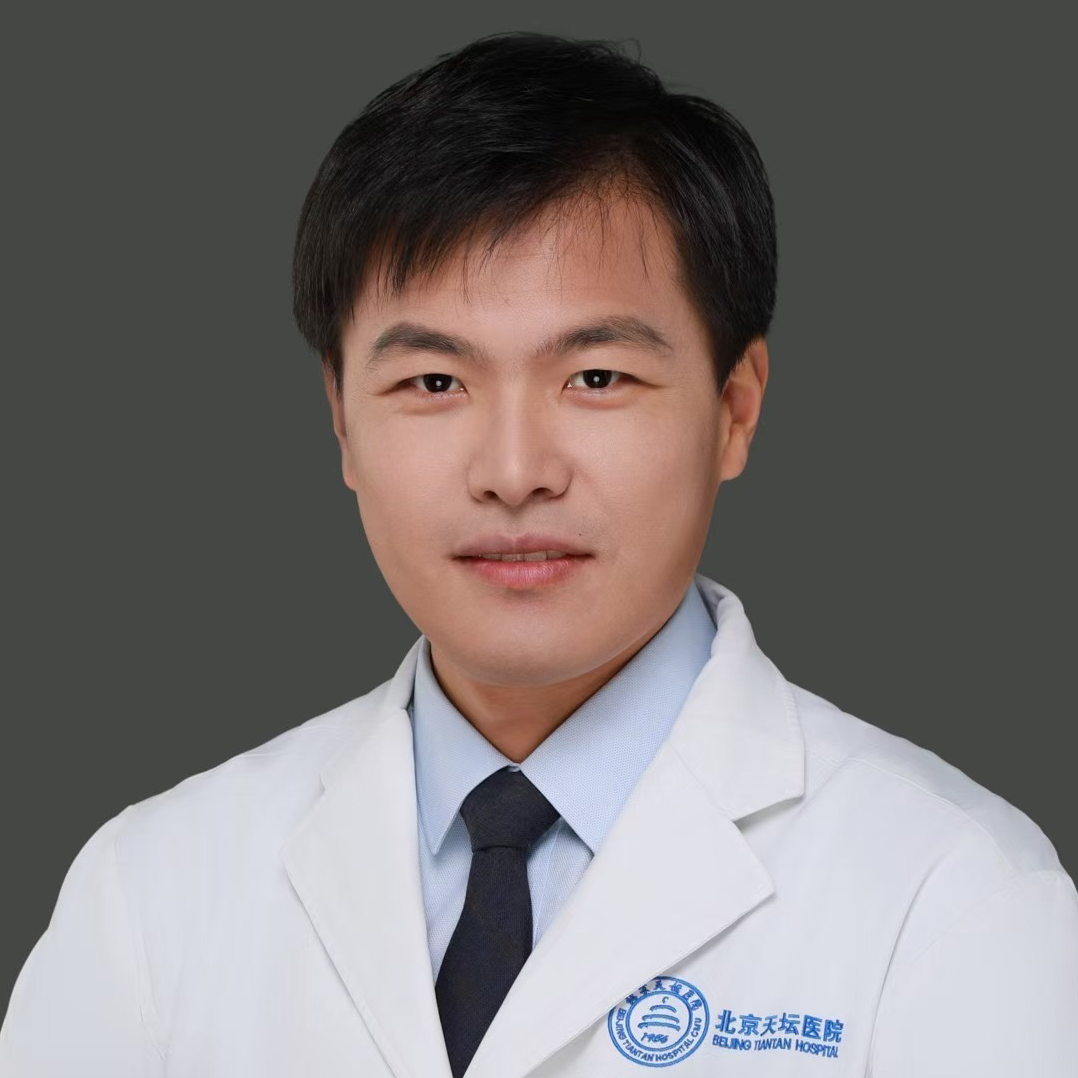
Liu Jian, MD, Chief Physician, Professor, Master's Supervisor Currently affiliated with the Department of Neurosurgery, Beijing Tiantan Hospital, Capital Medical University. His clinical and research work primarily focuses on endovascular interventional therapy for cerebrovascular diseases. I began my hemodynamic research on intracranial aneurysms at Beijing Tiantan Hospital and the Beijing Neurosurgical Institute in 2010. From April to October 2014, I conducted visiting research at the Toshiba Stroke Research Center, University at Buffalo, State University of New York, USA, and from October 2023 to October 2024, I pursued further research at the Department of Neurosurgery, Duke University, USA. I have conducted systematic and pioneering research on intracranial aneurysms, contributing to fundamental mechanisms of aneurysm formation and rupture, clinical treatment strategies, mechanisms of postoperative outcomes, innovative applications of neurointerventional materials, and translational achievements. His main research directions include: Hemodynamic analysis of intracranial aneurysm rupture risk Hemodynamic studies on recurrence after endovascular embolization of intracranial aneurysms Artificial intelligence research on aneurysm stability (rupture and growth) Innovation in animal models of intracranial aneurysms Metabolomic studies of intracranial aneurysms and cerebral infarction Clinical trials for intracranial aneurysms Development and clinical application of novel neurointerventional materials I have contributed to the development of computational fluid dynamics simulation technologies, including aneurysm model reconstruction, virtual stent implantation, and the establishment of a three-dimensional imaging database for aneurysms. The contribution on hemodynamics of postoperative outcomes for intracranial aneurysms have been published in renowned journals such as AJNR, SVN, and JNIS, positioning my team's hemodynamic research at an internationally leading level. Additionally, I have collaborated extensively with interdisciplinary teams on artificial intelligence research for intracranial aneurysms, focusing on stability studies of aneurysm growth and rupture, intelligent prediction of postoperative outcomes after endovascular treatment, and exploration of AI-assisted surgical planning. Related inventions have been patented and translated into practical applications with an output value of RMB 295,000. The intracranial aneurysm risk assessment system developed by my team has been preliminarily adopted in clinical practice across multiple medical institutions in China, significantly contributing to aneurysm risk evaluation. I have also innovated neurointerventional materials by designing novel flow-diverting stents that improve wall apposition in complex cases. These inventions have been patented and translated, with an estimated value of RMB 100,450. I led a clinical randomized controlled trial on antiplatelet therapy for stent-treated intracranial aneurysms, proposing an innovative approach to adjust antiplatelet medication based on platelet function test results. The findings were published in the prestigious journal Stroke (Impact Factor: 10.17), accompanied by an editorial commentary highlighting the study's significance. In basic research, my team has overcome challenges in establishing mouse models of intracranial aneurysms, a critical advancement for foundational studies. These models have been successfully applied in basic research. The team has built a database of 1200 blood samples from intracranial aneurysm patients for metabolomic, proteomic, and genomic studies. One of my future research directions is to explore the mechanisms of aneurysm formation and rupture based on animal models. In the past five years, I have led five national, provincial, and municipal-level research projects and participated in five others. As the second inventor, I have obtained two authorized invention patents, and as the first inventor, one utility model patent. Nine additional patent applications are under substantive review. Three invention patents have been licensed for transfer, and one is in the process of translation. As the first or corresponding author, I have published 26 SCI papers with a cumulative impact factor of 109.35. I am a core member of the Innovative Team for Endovascular Treatment of Hemorrhagic Cerebrovascular Diseases, recognized under the 2016 Ministry of Science and Technology Innovation Talent Promotion Program. I also received the Second Prize of the Capital Medical University Science and Technology Award in 2021 (as the fourth contributor).