




- Artificial Intelligence in Cancer
- Artificial Intelligence in Gastroenterology
- Artificial Intelligence in Gastrointestinal Endoscopy
- Artificial Intelligence in Medical Imaging
- World Journal of Anesthesiology
- World Journal of Biological Chemistry
- World Journal of Cardiology
- World Journal of Clinical Cases
- World Journal of Clinical Infectious Diseases
- World Journal of Clinical Oncology
- World Journal of Clinical Pediatrics
- World Journal of Clinical Urology
- World Journal of Critical Care Medicine
- World Journal of Dermatology
- World Journal of Diabetes
- World Journal of Experimental Medicine
- World Journal of Gastroenterology
- World Journal of Gastrointestinal Endoscopy
- World Journal of Gastrointestinal Oncology
- World Journal of Gastrointestinal Pathophysiology
- World Journal of Gastrointestinal Pharmacology and Therapeutics
- World Journal of Gastrointestinal Surgery
- World Journal of Hematology
- World Journal of Hepatology
- World Journal of Hypertension
- World Journal of Immunology
- World Journal of Medical Genetics
- World Journal of Meta-Analysis
- World Journal of Methodology
- World Journal of Nephrology
- World Journal of Neurology
- World Journal of Obstetrics and Gynecology
- World Journal of Ophthalmology
- World Journal of Orthopedics
- World Journal of Otorhinolaryngology
- World Journal of Pharmacology
- World Journal of Psychiatry
- World Journal of Radiology
- World Journal of Respirology
- World Journal of Rheumatology
- World Journal of Stem Cells
- World Journal of Stomatology
- World Journal of Surgical Procedures
- World Journal of Translational Medicine
- World Journal of Transplantation
- World Journal of Virology
- 世界华人消化杂志
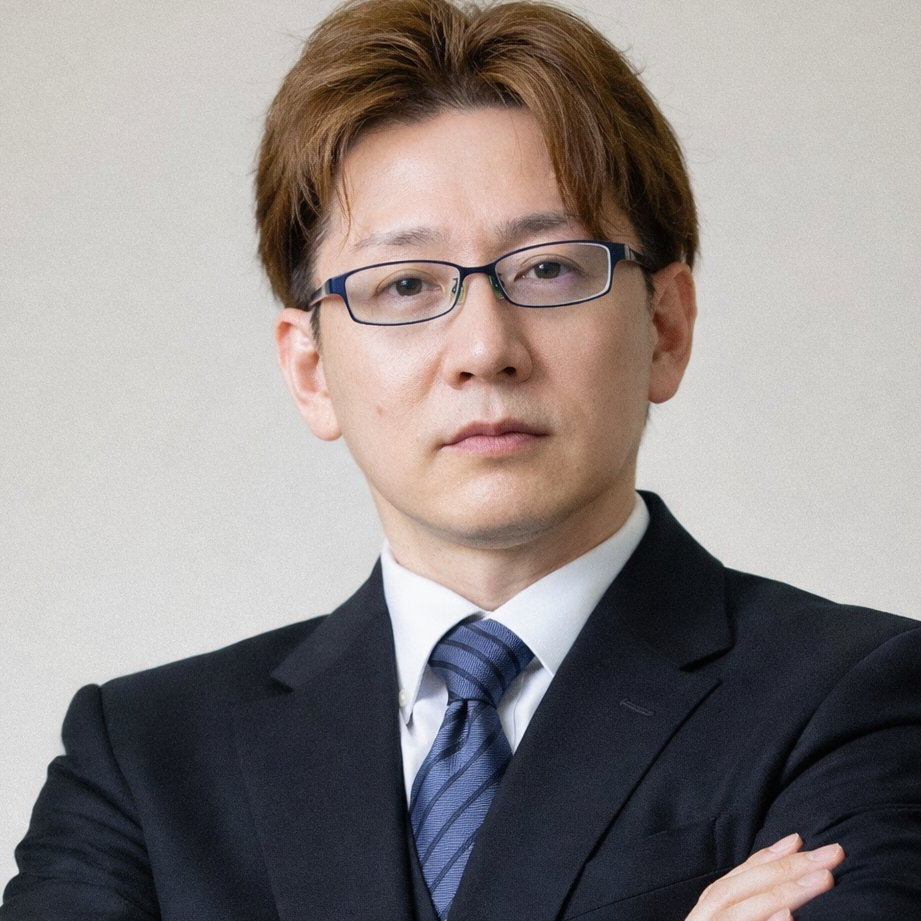
Dr. Naotake Funamizu received his MD degree from The Jikei University School of Medicine, Tokyo, Japan, in 2001, and his PhD from the same institution in 2010. He is currently an Associate Professor in the Department of Hepatobiliary Pancreatic and Breast Surgery, Ehime University Graduate School of Medicine, Toon, Ehime, Japan. Dr. Funamizu is a hepatobiliary and pancreatic surgeon with broad clinical and academic experience in the surgical treatment of liver, biliary tract, and pancreatic diseases. His clinical interests include hepatobiliary and pancreatic malignancies, pancreatic ductal adenocarcinoma, colorectal liver metastases, complex liver resection, pancreatic surgery, and perioperative management in high-risk surgical patients. He is also actively involved in minimally invasive surgery, including laparoscopic and robotic surgery, with a particular focus on advanced hepatobiliary and pancreatic procedures. His academic work has focused on pancreatic cancer biology, nutritional status, inflammation, frailty, and surgical outcomes in patients undergoing hepatobiliary and pancreatic surgery. His earlier research included studies on the relationship between pancreatic cancer and microRNA. More recently, his research interests have expanded to the clinical relevance of nutrition- and inflammation-based prognostic markers, frailty assessment, treatment tolerance, and postoperative recovery in patients with pancreatic cancer and other gastrointestinal malignancies. Dr. Funamizu is also interested in intraoperative navigation and precision surgery, including the use of intraoperative ultrasound and indocyanine green fluorescence imaging during liver surgery. His work in this field includes clinical applications of fluorescence-guided anatomical liver resection and minimally invasive hepatectomy. Through these activities, he aims to improve surgical safety, oncological quality, and functional liver preservation. In addition to clinical practice and research, Dr. Funamizu is engaged in surgical education and regional healthcare. He contributes to the training of young surgeons and to the development of collaborative surgical support systems between university hospitals and regional medical institutions. His long-term academic goal is to integrate advanced surgical techniques, perioperative risk assessment, and regional surgical education to improve outcomes for patients with hepatobiliary and pancreatic diseases.