




- Artificial Intelligence in Cancer
- Artificial Intelligence in Gastroenterology
- Artificial Intelligence in Gastrointestinal Endoscopy
- Artificial Intelligence in Medical Imaging
- World Journal of Anesthesiology
- World Journal of Biological Chemistry
- World Journal of Cardiology
- World Journal of Clinical Cases
- World Journal of Clinical Infectious Diseases
- World Journal of Clinical Oncology
- World Journal of Clinical Pediatrics
- World Journal of Clinical Urology
- World Journal of Critical Care Medicine
- World Journal of Dermatology
- World Journal of Diabetes
- World Journal of Experimental Medicine
- World Journal of Gastroenterology
- World Journal of Gastrointestinal Endoscopy
- World Journal of Gastrointestinal Oncology
- World Journal of Gastrointestinal Pathophysiology
- World Journal of Gastrointestinal Pharmacology and Therapeutics
- World Journal of Gastrointestinal Surgery
- World Journal of Hematology
- World Journal of Hepatology
- World Journal of Hypertension
- World Journal of Immunology
- World Journal of Medical Genetics
- World Journal of Meta-Analysis
- World Journal of Methodology
- World Journal of Nephrology
- World Journal of Neurology
- World Journal of Obstetrics and Gynecology
- World Journal of Ophthalmology
- World Journal of Orthopedics
- World Journal of Otorhinolaryngology
- World Journal of Pharmacology
- World Journal of Psychiatry
- World Journal of Radiology
- World Journal of Respirology
- World Journal of Rheumatology
- World Journal of Stem Cells
- World Journal of Stomatology
- World Journal of Surgical Procedures
- World Journal of Translational Medicine
- World Journal of Transplantation
- World Journal of Virology
- 世界华人消化杂志
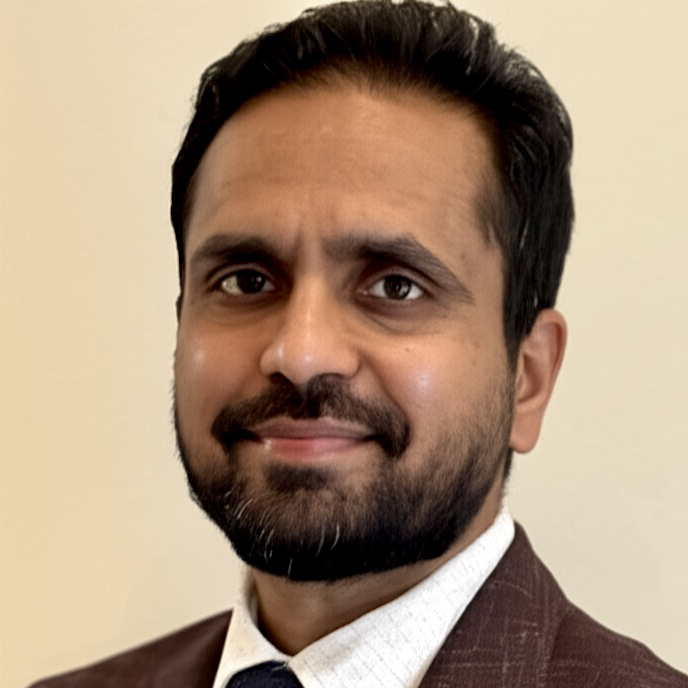
Dr. Venkata Sunkesula, MD, MS, is an Assistant Professor of Medicine and Gastroenterology Fellow at Case Western Reserve University and The MetroHealth System in Cleveland, Ohio. He completed his residency in Internal Medicine at Drexel University and earned a Master’s degree in Biomedical Informatics from Rutgers University. His work bridges clinical gastroenterology and data science, focusing on how artificial intelligence and informatics can enhance diagnosis, risk prediction, and treatment outcomes in pancreatic disease and inflammatory bowel disorders. Dr. Sunkesula’s academic mission centers on integrating artificial intelligence, radiomics, and quantitative imaging into routine gastroenterology practice to make precision medicine accessible in real-world settings. His research focuses on predictive modeling for Crohn’s disease recurrence, AI-based bowel preparation validation, and outcome prediction in pancreatitis and cirrhosis. What distinguishes his work is his ability to translate computational and imaging analytics into interpretable, clinically actionable tools that directly improve patient care and decision-making. He has authored or co-authored more than 40 peer-reviewed articles in respected journals including Radiology, Gastroenterology, Annals of Gastroenterology, BMC Gastroenterology, and Infection Control & Hospital Epidemiology. As first or senior author, his studies have explored imaging biomarkers, acid suppression safety in cirrhosis, and predictive models in pancreatitis. His research has been featured at major international conferences, including Digestive Disease Week (DDW), the American College of Gastroenterology (ACG), and the American Pancreatic Association (APA), with more than 30 accepted abstracts and invited presentations. Dr. Sunkesula has been recognized nationally for his leadership and academic contributions. He was selected as a 2025 Scholar in the ASGE AI in GI Program, a competitive initiative supporting early-career investigators advancing AI applications in gastroenterology. In the same year, he was named Best of FORWARD by the American Gastroenterological Association (AGA) for excellence in research, mentorship, and leadership development—one of only a handful of recipients nationwide. Beyond his research, Dr. Sunkesula is an active contributor to the scientific community through editorial and peer-review work. He has reviewed more than 60 manuscripts for prominent journals including Journal of the American Medical Informatics Association (JAMIA), Clinical and Translational Gastroenterology, PLOS ONE, World Journal of Gastroenterology, and Medicine (Lippincott Williams & Wilkins). He also served as Guest Editor for the Journal of Clinical Medicine on the special issue Current and Emerging Treatment Options in Pancreatic Cancer. Looking ahead, Dr. Sunkesula’s long-term research goals focus on developing validated, interpretable AI-based models that forecast disease behavior and guide precision therapy in pancreatic and inflammatory bowel diseases. His broader aim is to reduce health disparities by designing equitable, data-driven approaches that integrate seamlessly into diverse healthcare settings. As an educator and mentor, Dr. Sunkesula has guided residents and medical students in clinical research, data interpretation, and professional growth. He is recognized for his active listening, clear communication, and collaborative leadership style, which foster teamwork and innovation. His diverse skill set—spanning clinical care, research design, and informatics—enables him to mentor across disciplines and translate ideas into measurable impact. Outside of his professional work, Dr. Sunkesula enjoys playing cricket and tennis, practicing yoga, and traveling. These pursuits help him maintain balance, focus, and mindfulness—qualities that also shape his thoughtful, patient-centered approach to medicine.