




- Artificial Intelligence in Cancer
- Artificial Intelligence in Gastroenterology
- Artificial Intelligence in Gastrointestinal Endoscopy
- Artificial Intelligence in Medical Imaging
- World Journal of Anesthesiology
- World Journal of Biological Chemistry
- World Journal of Cardiology
- World Journal of Clinical Cases
- World Journal of Clinical Infectious Diseases
- World Journal of Clinical Oncology
- World Journal of Clinical Pediatrics
- World Journal of Clinical Urology
- World Journal of Critical Care Medicine
- World Journal of Dermatology
- World Journal of Diabetes
- World Journal of Experimental Medicine
- World Journal of Gastroenterology
- World Journal of Gastrointestinal Endoscopy
- World Journal of Gastrointestinal Oncology
- World Journal of Gastrointestinal Pathophysiology
- World Journal of Gastrointestinal Pharmacology and Therapeutics
- World Journal of Gastrointestinal Surgery
- World Journal of Hematology
- World Journal of Hepatology
- World Journal of Hypertension
- World Journal of Immunology
- World Journal of Medical Genetics
- World Journal of Meta-Analysis
- World Journal of Methodology
- World Journal of Nephrology
- World Journal of Neurology
- World Journal of Obstetrics and Gynecology
- World Journal of Ophthalmology
- World Journal of Orthopedics
- World Journal of Otorhinolaryngology
- World Journal of Pharmacology
- World Journal of Psychiatry
- World Journal of Radiology
- World Journal of Respirology
- World Journal of Rheumatology
- World Journal of Stem Cells
- World Journal of Stomatology
- World Journal of Surgical Procedures
- World Journal of Translational Medicine
- World Journal of Transplantation
- World Journal of Virology
- 世界华人消化杂志
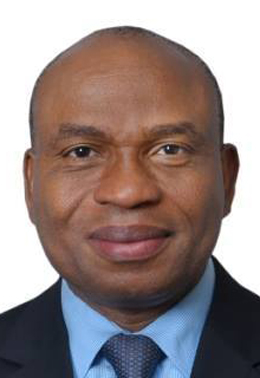
Academician Prince Prof. Dr. Philip Chidi Njemanze, MD (Hons), was born on 15 March 1962 in Owerri Municipal, Imo State, Nigeria, into the distinguished Njemanze Royal Dynasty. He is the Chairman of the International Institutes of Advanced Research and Training, Chidicon Medical Center, Owerri, and an Academician of the International Academy of Astronautics (IAA), the UNESCO-affiliated body for space research. Prof. Njemanze began his early education at St. Paul’s Catholic Primary School, Owerri, and continued at Government Secondary School, Owerri. In 1986, he earned his Doctor of Medicine degree with honors from the Rostov State Medical Institute, Order of Friendship, Rostov-on-Don, Russia (former USSR). From 1986 to 1992, he undertook postgraduate training and fellowships in Neurosurgery, Neurology, and Angiology at Klinikum Großhadern, University of Munich (Germany); Guy’s Hospital, London (UK); and Bowman Gray School of Medicine, Winston-Salem, North Carolina (USA). In 1992, he became an Assistant Research Professor at the Souers Stroke Institute, St. Louis University Medical Center, Missouri (USA). During his postgraduate research, Prof. Njemanze achieved a series of pioneering scientific breakthroughs. He was the first to describe a magnetic resonance imaging (MRI) phase-contrast technique for assessing cerebrospinal fluid (CSF) pulsatile flow in the human brain, establishing CSF dynamics as the “second circulation” after blood flow. In 1991, he also conducted the first detailed hemodynamic study of the human brain using Fourier analysis of cerebral arterial flow velocity, thereby characterizing cerebrovascular resistance in health and disease, including hypertension. Prof. Njemanze was among the earliest to apply non-invasive transcranial Doppler ultrasound for cognitive neuroscience, pioneering studies of language localization in the brain. He made landmark contributions to neurocardiology, including the first non-invasive demonstration of the critical pressure-flow relationship in the human brain, and the first description of cerebrovascular changes during syncope (fainting) unaccompanied by a fall in blood pressure. In 1995, his leadership in neuroscience was internationally recognized when he was competitively selected to join scientists from the USA, Germany, France, Canada, Japan, The Netherlands, and Italy in designing experiments for NEUROLAB, a NASA and NIH program mandated by the U.S. Congress under the Decade of the Brain initiative. He became a pioneer of cognitive neuroscience in space research, founding the Institute of Space Medicine and Terrestrial Sciences within his Chidicon research institute. There, he made groundbreaking discoveries in facial processing, motor processing, and color processing in the human brain. In 2005, Prof. Njemanze revolutionized neuroscience by postulating the principle of gender complementarity in brain function, based on experimental evidence that general intelligence is lateralized to the right hemisphere in men and the left hemisphere in women. His pioneering findings on cerebral lateralization of general intelligence were later confirmed independently by leading American neuroscientists using positron emission tomography (PET) and magnetic resonance spectroscopy (MRS). He further extended this research to reveal gender-related asymmetries in color processing and facial recognition, demonstrating distinct lateralization patterns in men and women, later validated in both human and animal models. His laboratory also showed quantum coherence phenomena in the visual cortex, suggesting novel insights into the physics of brain function. Driven by a passion for African participation in space exploration, Prof. Njemanze hosted the First African International Conference on Mission to Mars: The African Perspective (Owerri, 2007), which brought together global space scientists, including experts from Japan and Russia. He later proposed the Light Theory of Cerebral Asymmetry, a unifying framework integrating quantum physics, neurobiology, genetics, evolution, and social physiology around the principle of gender complementarity—what he termed a “Theory of Everything” for higher cognitive brain function. Prof. Njemanze has authored over 250 scientific publications and holds more than two dozen U.S. and U.K. patents. He is also the author of the influential book series Igbo Mediators of YAHWEH Culture of Life (Volumes 1–4), where he deciphered ancient Igbo pictographic writings and traced their links to Egyptian hieroglyphics and Judeo-Christian traditions. He is married to Mrs. Felicia Njemanze, and they are blessed with three children: Nkem, Chidi, and Odera.