




- Artificial Intelligence in Cancer
- Artificial Intelligence in Gastroenterology
- Artificial Intelligence in Gastrointestinal Endoscopy
- Artificial Intelligence in Medical Imaging
- World Journal of Anesthesiology
- World Journal of Biological Chemistry
- World Journal of Cardiology
- World Journal of Clinical Cases
- World Journal of Clinical Infectious Diseases
- World Journal of Clinical Oncology
- World Journal of Clinical Pediatrics
- World Journal of Clinical Urology
- World Journal of Critical Care Medicine
- World Journal of Dermatology
- World Journal of Diabetes
- World Journal of Experimental Medicine
- World Journal of Gastroenterology
- World Journal of Gastrointestinal Endoscopy
- World Journal of Gastrointestinal Oncology
- World Journal of Gastrointestinal Pathophysiology
- World Journal of Gastrointestinal Pharmacology and Therapeutics
- World Journal of Gastrointestinal Surgery
- World Journal of Hematology
- World Journal of Hepatology
- World Journal of Hypertension
- World Journal of Immunology
- World Journal of Medical Genetics
- World Journal of Meta-Analysis
- World Journal of Methodology
- World Journal of Nephrology
- World Journal of Neurology
- World Journal of Obstetrics and Gynecology
- World Journal of Ophthalmology
- World Journal of Orthopedics
- World Journal of Otorhinolaryngology
- World Journal of Pharmacology
- World Journal of Psychiatry
- World Journal of Radiology
- World Journal of Respirology
- World Journal of Rheumatology
- World Journal of Stem Cells
- World Journal of Stomatology
- World Journal of Surgical Procedures
- World Journal of Translational Medicine
- World Journal of Transplantation
- World Journal of Virology
- 世界华人消化杂志
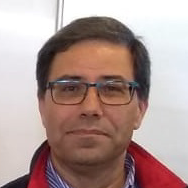
Paulo Correia-de-Sá, MD, PhD. Full Professor of Pharmacology and Neurosciences (since 2006). Vice-President of the Scientific Council (since 2022). Director of the Laboratory of Pharmacology and Neurobiology and Head of the Department of Immuno-Physiology and Pharmacology, from 2000 onwards. Diretor of the FCT Research Unit for Multidisciplinary Investigations in Biomedicine (UMIB, 2005-14) and local ICBAS-UP coordinator of the FCT Center for Drug Discovery and Innovative Medicines UPorto (MedInUP), since 2015. President (2013-16) and Vice President (2009-13) of the Portuguese Society for Pharmacology and member of the Board of the Portuguese Society of Neurosciences. Editorial board member of Front Pharmacol (since 2015-) and Biochem Pharmacol (since 2019). Main Research Interests: Investigate the pathophysiological role of purines (ATP and its metabolites) in human cells signaling and in animal models of human diseases, searching for new targets for therapeutic intervention. Major contributions and ground-braking discoveries: (1) Back in 1991, I was the first author of a pioneering publication in Br J Pharmacol showing that besides the previously known inhibitory neuronal effect of adenosine (via A1 receptors), the nucleoside could also act on co-localized excitatory A2A receptors on nerve terminals. This coined a new era in the purinergic signaling field, which led to the discovery of a new anti-Parkinsonian drug already approved for clinical use in Japan (and Europe). Further studies from my group elucidated for the first time that the differential activation of co-localized A1 and A2A adenosine receptors depend on the nerve activation pattern (low vs high frequency neuronal bursts), the amount of the nucleoside at the synaptic cleft (depending on the production/inactivation balance), and the close proximity between release sites, hydrolytic enzymes, receptors and voltage-sensitive Ca channels (papers published, e.g. Br J Pharmacol, Eur J Pharmacol, J Neurophysiol, Neuroscience, Drug Dev Res, J Neurochem, J Physiol, NeuroSignals). My group was also pioneer in demonstrating the pathophysiological relevance of the cross-talk between purinergic, cholinergic (nicotinic and muscarinic) and peptidergic receptors to fine-tuning modulate the release of neurotransmitters, both in the periphery and in the central nervous system (see papers published in Br J Pharmacol, Eur J Neurosci, Eur J Pharmacol, Synapse, Neurochem Int, Int J Mol Sci, Neurobiol Res, Pharmacol Res). The new knowledge about the purinergic fine-tuning modulation of acetylcholine release at the motor endplate (see above) and the immunological synapse (e.g. Mediators Inflamm, Neuropharmacol, J Neurochem), together with the pioneering discoveries made by my group regarding the role of peri-synaptic Schwann cells (PSCs) at the tripartite neuromuscular synapse (see e.g. J Neurochem, Mol Neurobiol), evolved to a new hypothesis to treat autoimmune Myasthenia gravis and to revert the paradoxical effects of cholinesterase inhibitors by breaking the inhibitory loop mediated by PSCs via alpha7 nicotinic antagonists and/or repurposing the use of the antiplatelet/adenosine uptake blocker, dipyridamole. (2) My group resolved the molecular mechanisms (receptors and ion channels) associated to the empirical clinical use of adenosine in the differential diagnosis of vasculogenic erectile dysfunction (e.g. J. Pharmacol. Exp. Ther, Nucleos Nucleot Nucleic Acids), as well as the chronoselective effect of this nucleoside to clinically revert supraventricular arrhythmias (e.g. Front Pharmacol). (3) Characterization of the purinergic receptor subtypes involved in human osteogenesis (J Cell Physiol), chondrogenesis (Biochem Pharmacol), adipogenesis (Biochem Pharmacol) dermal (J Biol Chem, Cell Commun Signal, Cells, Life Sci) and cardiac fibrosis (Cell Calcium, J Cell Physiol), and pulmonary arterial hypertension (Drug Discov Today) were also important achievements from my research group. A clinical study is ongoing to investigate if ATP and adenosine/inosine measurements can be used as the first clinical biomarker for the diagnosis and follow-up of fibromyalgia. Likewise, the discovery of loss of function P2X7 polymorphisms (FASEB J) and NTPDase overexpression (Stem Cell Res Ther) in osteoblast precursors of postmenopausal women raised the hypothesis that these may be new therapeutic targets to increase bone mass, both in drug (small drugs, monoclonal antibodies and gene silencing) and cell-rejuvenation treatment strategies. Pre-clinical studies to prove these hypotheses are ongoing. (4) Investigation of the purinergic signaling mechanisms in the human urinary bladder demonstrated that Urinary ATP may be a dynamic biomarker of detrusor overactivity in women with overactive bladder syndrome (PLOs One, UroToday), as well as in men with bladder outlet obstruction (Prostate, Purinergic Signal), thus avoiding the gold standard invasive urodynamic tests for the diagnosis. A rapid dipstick urine ATP measurement kit for urologists is under development with a Swedish company. (5) Using human and animal studies, my group clarified the mechanism of action of the commonly used beta3 receptor agonist, mirabegron, for the treatment of overactive bladder syndromes; we demonstrated that mirabegron inhibits cholinergic neurotransmission by favoring adenosine release detrusor smooth muscle cells and retrograde activation of A1 inhibitory receptors on cholinergic neurons (Am J Physiol, Br J Pharmacol), which fostered currently undergoing investigations on alternative paths to tackle with this disease condition. (6) Within the frame of EuroEPINOMICS. EPICLUSTER and EpiCARE projects, our group has made ground-braking discoveries the expression and function of adenosine A2A and ATP P2X7 receptors (Neuroscience, Epilepsia, Neurochem Int), as well as ecto-5’-nucleotidase/CD73 (Purinergic Signal), in the hippocampus and neocortex of human patients with drug-refractory mesial temporal lobe epilepsy (MTLE); unique in the world post-mortem control samples from forensic autopsies existing in our Human brain bank, allowed us to propose that MTLE drug-refractoriness may be predicted by low circulating levels of mir-22 controlling P2X7 receptors overexpression in the brain (Front Cell Neurosci).