
















Copyright: ©Author(s) 2026.
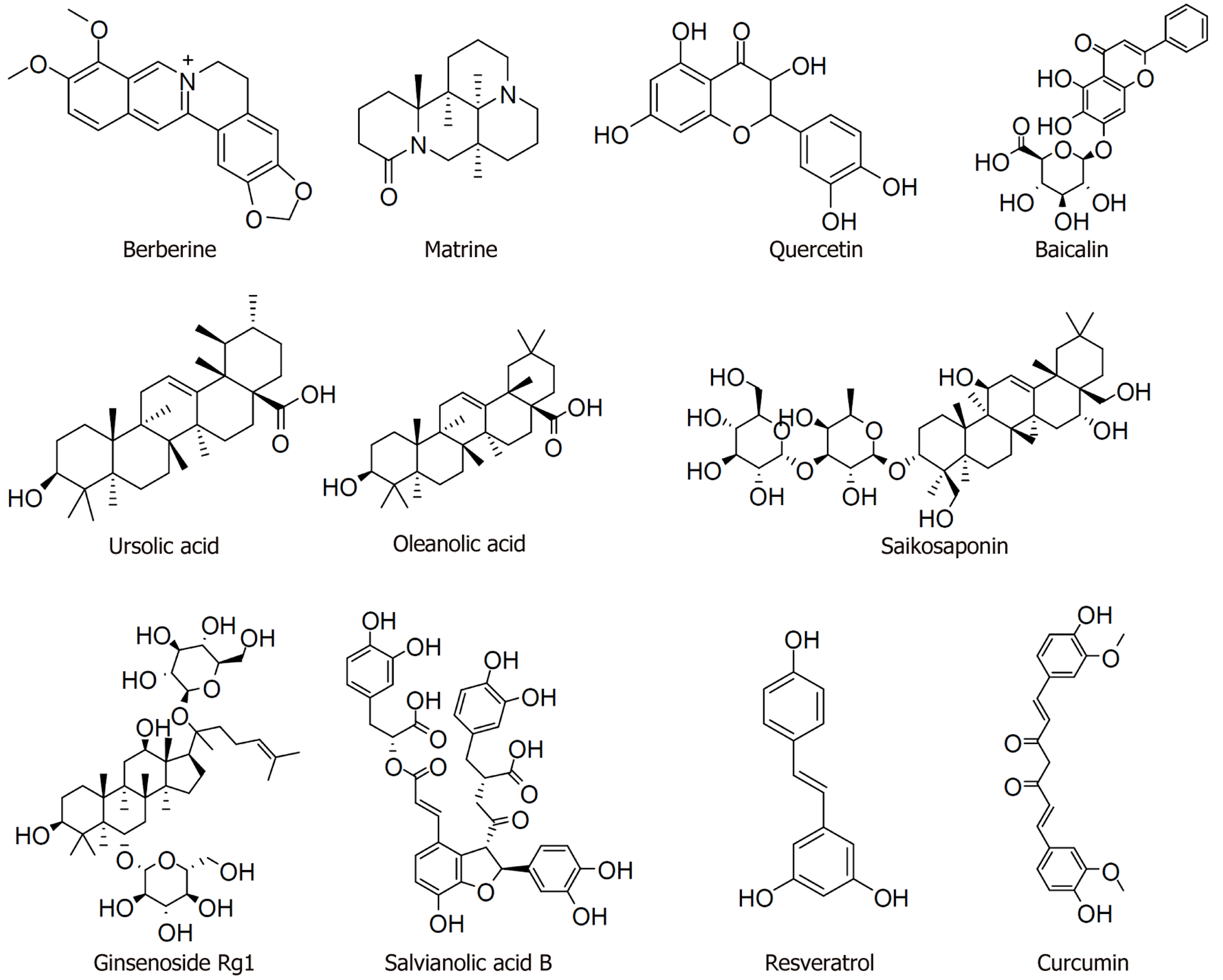
Figure 1
Chemical structures of berberine, matrine, quercetin, baicalin, ursolic acid, oleanolic acid, ginsenoside Rg1, saikosaponin, salvianolic acid B, resveratrol, and curcumin.
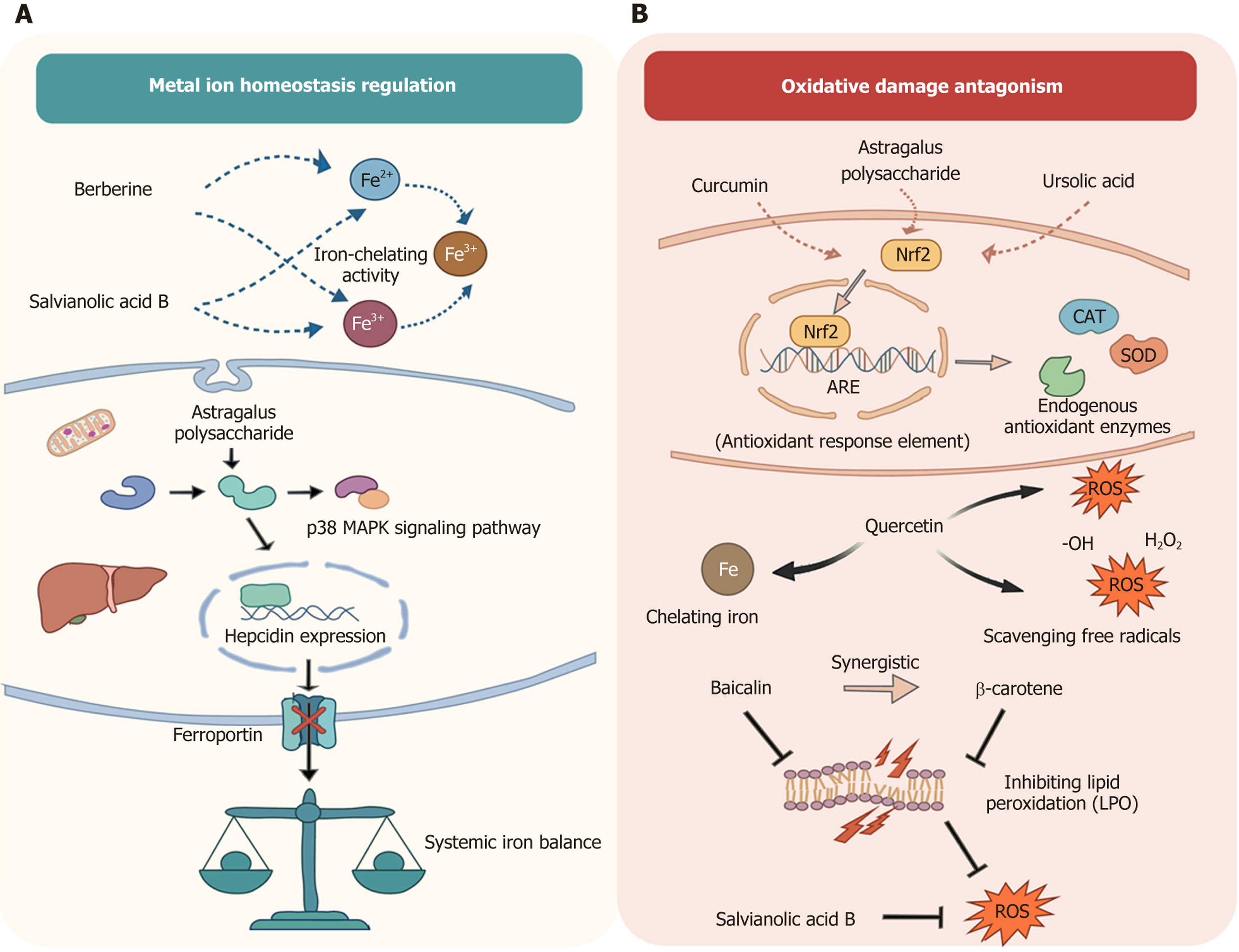
Figure 2 Mechanisms of metal ion homeostasis regulation and oxidative damage antagonism by traditional Chinese medicine bioactive components in hepatolithiasis-inducing liver diseases.
A: Iron homeostasis: Excessive iron accumulation exacerbates hepatobiliary injury in hepatolithiasis-inducing liver diseases (e.g., hereditary hemochromatosis). Berberine and salvianolic acid B directly chelate Fe3+/Fe2+, reducing the labile iron pool and suppressing Fenton reactions. Astragalus polysaccharide activates the p38 mitogen-activated protein kinase pathway, upregulating hepcidin, which degrades the iron exporter ferroportin to limit systemic iron overload; B: Oxidative damage antagonism: Traditional Chinese medicine components mitigate reactive oxygen species-driven biliary epithelial injury through complementary mechanisms: Curcumin, Astragalus polysaccharide, and ursolic acid activate nuclear factor erythroid 2-related factor 2, inducing antioxidant enzymes (superoxide dismutase, catalase) via the antioxidant response element pathway; quercetin and β-carotene directly scavenge free radicals and inhibit lipid peroxidation; baicalin and salvianolic acid B combine direct reactive oxygen species scavenging with iron chelation to block Fenton-mediated hydroxyl radical generation. MAPK: Mitogen-activated protein kinase; Nrf2: Nuclear factor erythroid 2-related factor 2; ARE: Antioxidant response element; SOD: Superoxide dismutase; CAT: Catalase; ROS: Reactive oxygen species.
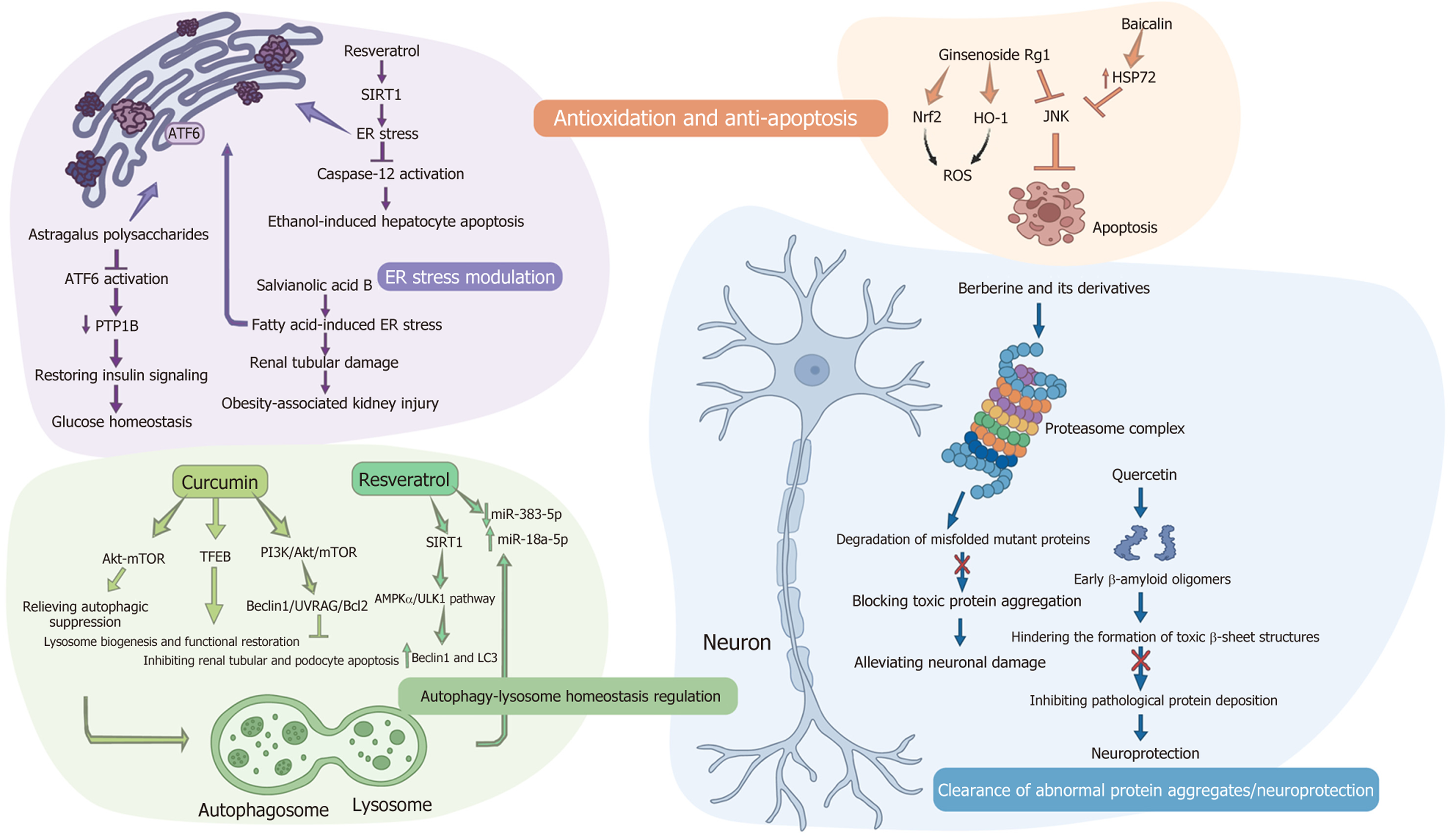
Figure 3 Modulation of endoplasmic reticulum stress and protein homeostasis by bioactive components of traditional Chinese medicine in hereditary liver disease.
This schematic illustrates how traditional Chinese medicine-derived compounds (resveratrol, baicalin, curcumin, berberine, quercetin) target core proteostatic pathways disrupted in genetic hepatopathies (e.g., α1-antitrypsin deficiency, ABC transporter misfolding in progressive familial intrahepatic cholestasis). These compounds converge on endoplasmic reticulum stress mitigation, autophagic enhancement, and hepatoprotection, highlighting actionable therapeutic targets for restoring hepatic proteostasis in hereditary liver disease. Four color-coded modules define the mechanisms: Orange, antioxidant defense and inhibition of endoplasmic reticulum/reactive oxygen species-mediated apoptosis via sirtuin 1 activation and glutathione restoration. Purple, rebalancing of the unfolded protein response through attenuation of the PERK-CHOP axis and preservation of BiP/GRP78 chaperone capacity. Green, restoration of autophagy-lysosome flux via mTORC1 inhibition and TFEB-mediated lysosomal biogenesis. Blue, promotion of misfolded protein clearance through proteasomal degradation and suppression of toxic aggregate formation. Solid arrows denote activation; T-bars indicate inhibition. SIRT1: Sirtuin 1; ER: Endoplasmic reticulum; Nrf2: Nuclear factor erythroid 2-related factor 2; ROS: Reactive oxygen species; HO-1: Heme oxygenase-1; JNK: C-Jun n-terminal kinase; PI3K: Phosphatidylinositol 3-kinase; Akt: Protein kinase B; mTOR: Mammalian target of rapamycin.
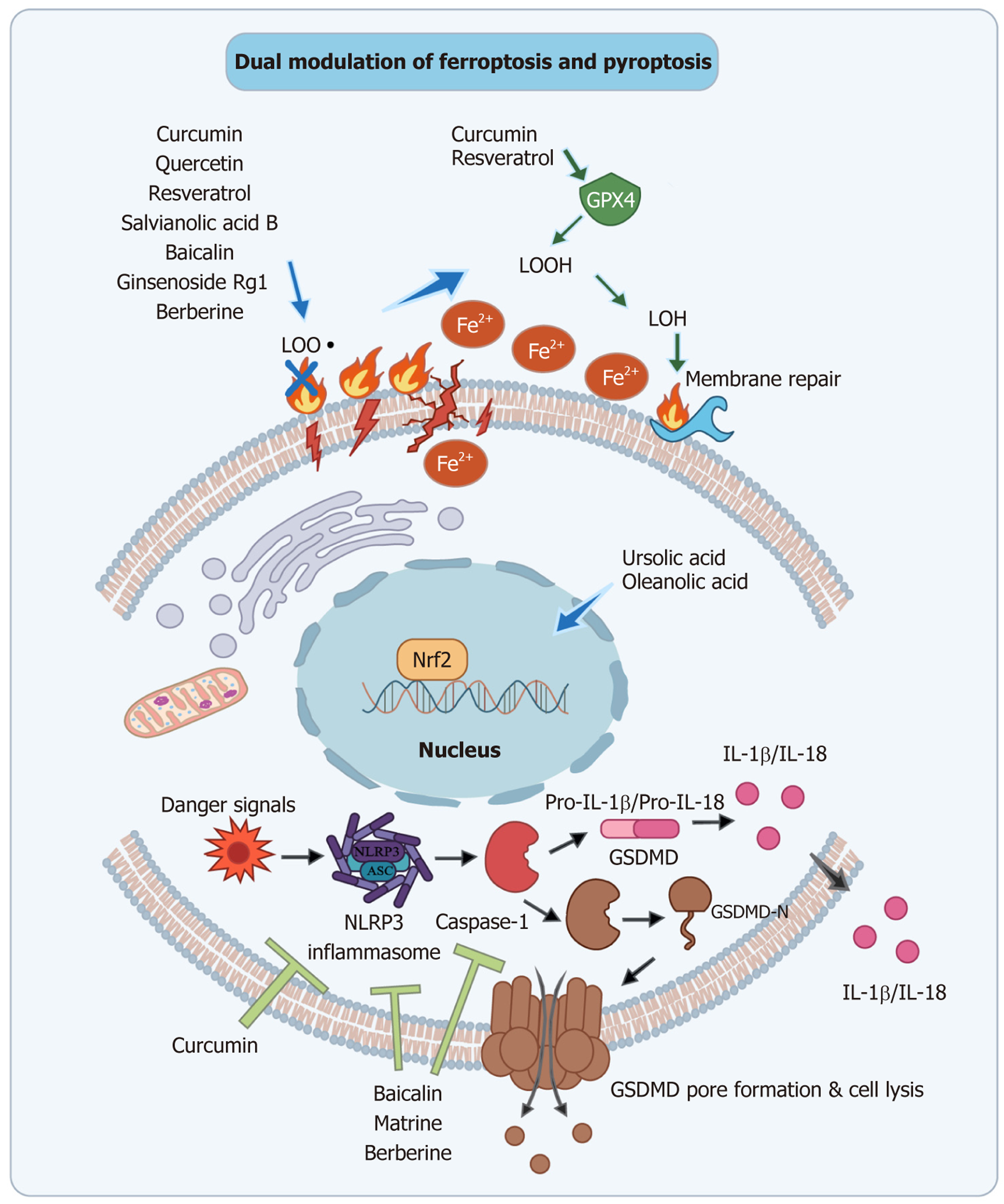
Figure 4 Dual modulation of ferroptosis and pyroptosis by natural bioactive compounds.
This schematic illustrates how traditional Chinese medicine-derived compounds concurrently suppress ferroptotic and pyroptotic cell death, two major pathological drivers in inflammatory and degenerative diseases. The diagram is organized into two interconnected pathways: (1) Ferroptosis suppression (upper panel): Reactive oxygen species-induced lipid peroxidation (LOO•) and iron (Fe2+) accumulation are central to ferroptosis. Traditional Chinese medicine compounds such as curcumin, quercetin, resveratrol, salvianolic acid B, baicalin, ginsenoside Rg1, and berberine inhibit lipid peroxidation chain reactions and chelate iron, thereby reducing cytotoxic aldehydes (LOOH) and promoting membrane repair. Ursolic acid and oleanolic acid activate the nuclear factor erythroid 2-related factor 2 transcription factor in the nucleus, enhancing expression of antioxidant genes including glutathione peroxidase 4, which reduces LOOH to non-toxic LOH, further protecting membrane integrity; and (2) Pyroptosis suppression (lower panel): Danger signals activate the NOD-, LRR- and pyrin domain-containing protein 3 inflammasome, triggering caspase-1 activation, which cleaves gasdermin D (GSDMD) into its pore-forming N-terminal fragment (GSDMD-N) and pro-inflammatory cytokines [pro-interleukin (IL)-1β/pro-IL-18] into mature IL-1β/IL-18. Curcumin, baicalin, matrine, and berberine disrupt this cascade by inhibiting NOD-, LRR- and pyrin domain-containing protein 3 assembly and/or caspase-1 activity, thereby preventing GSDMD pore formation, cell lysis, and release of pro-inflammatory cytokines. IL: Interleukin; GPX4: Glutathione peroxidase 4; Nrf2: Nuclear factor erythroid 2-related factor 2; NLRP3: NOD-, LRR- and pyrin domain-containing protein 3; GSDMD: Gasdermin D.
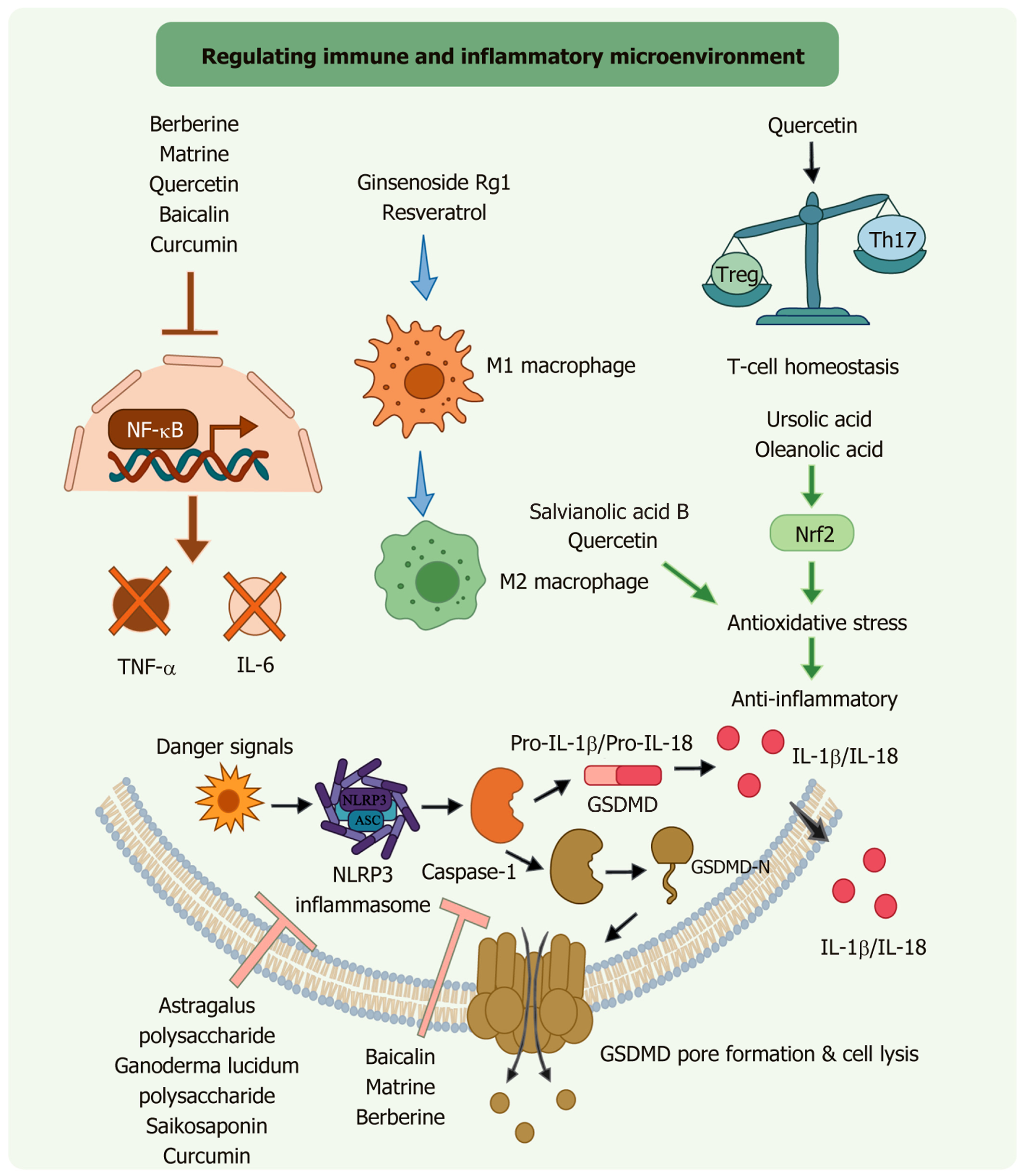
Figure 5 Regulation of immune and inflammatory microenvironment by traditional Chinese medicine bioactive components.
This schematic delineates the multi-targeted immunomodulatory and anti-inflammatory mechanisms of traditional Chinese medicine-derived compounds, focusing on their actions against nuclear factor-κB-driven inflammation, macrophage polarization, T-cell homeostasis, NOD-, LRR- and pyrin domain-containing protein 3 (NLRP3) inflammasome-mediated pyroptosis, and oxidative stress. Compounds such as berberine, matrine, quercetin, baicalin, and curcumin suppress nuclear factor-κB nuclear translocation and subsequent production of pro-inflammatory cytokines tumor necrosis factor-α and interleukin (IL)-6. Ginsenoside Rg1 and resveratrol promote the transition from pro-inflammatory M1 macrophages to anti-inflammatory M2 macrophages, while salvianolic acid B and quercetin further support this repolarization. Quercetin restores the balance between regulatory Treg cells and pro-inflammatory Th17 cells. Ursolic acid and oleanolic acid activate nuclear factor erythroid 2-related factor 2, conferring antioxidative and anti-inflammatory effects. Danger signals activate the NLRP3 inflammasome, triggering caspase-1-mediated cleavage of gasdermin D into its pore-forming gasdermin D-N fragment, leading to IL-1β/IL-18 maturation and pyroptotic cell lysis. Compounds such as Astragalus polysaccharide, ganoderma lucidum polysaccharide, saikosaponin, curcumin, baicalin, matrine, and berberine block NLRP3 assembly or downstream steps, thereby attenuating pyroptosis. TNF-α: Tumor necrosis factor-α; IL: Interleukin; Nrf2: Nuclear factor erythroid 2-related factor 2; NLRP3: NOD-, LRR- and pyrin domain-containing protein 3; GSDMD: Gasdermin D.
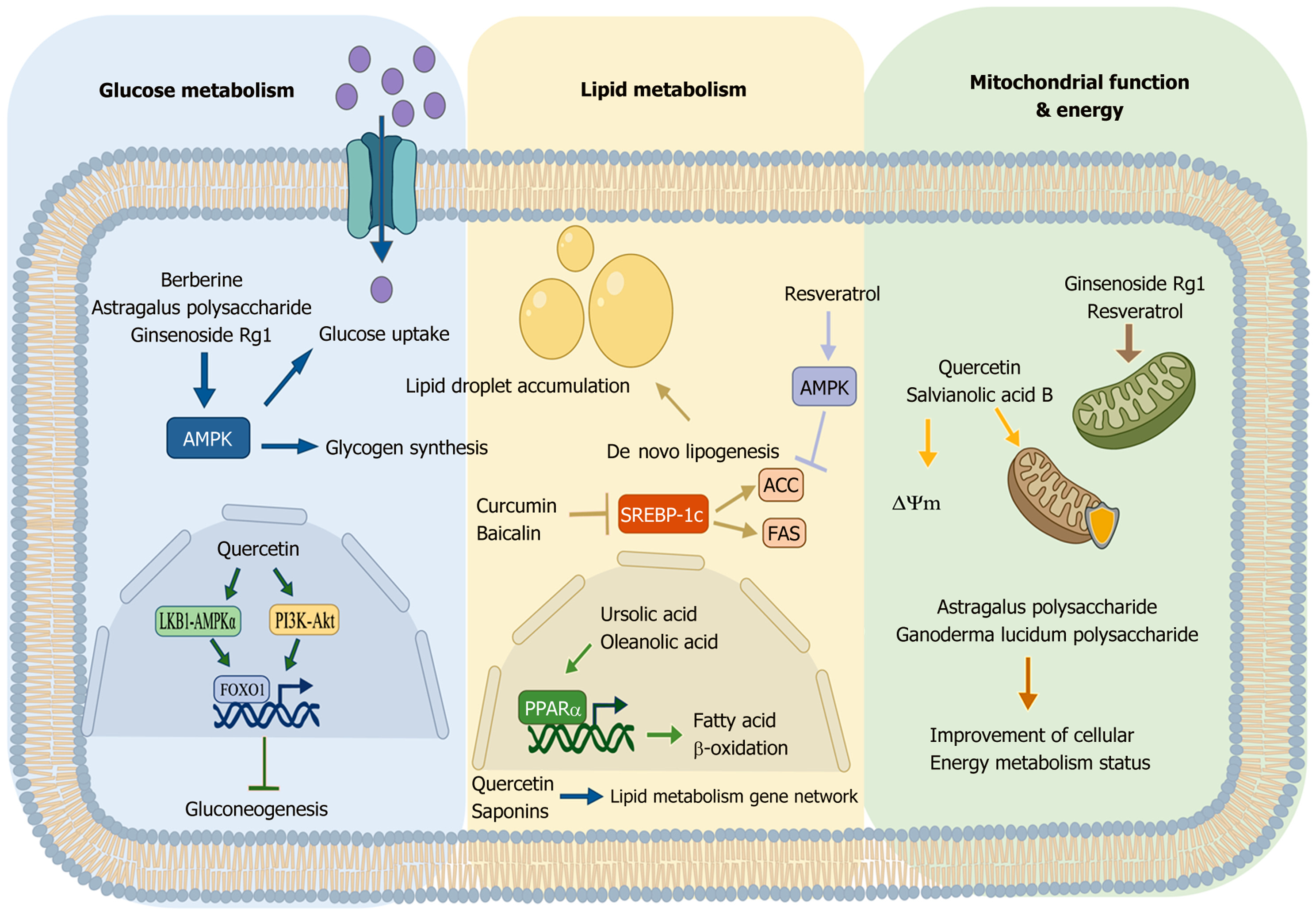
Figure 6 Modulation of glucose metabolism, lipid metabolism, and mitochondrial function by traditional Chinese medicine bioactive components.
This schematic illustrates the multitargeted metabolic regulatory mechanisms of traditional Chinese medicine-derived compounds across three interconnected pathways: Glucose metabolism, lipid metabolism, and mitochondrial energy homeostasis, highlighting their potential in managing metabolic disorders and liver diseases. Berberine, Astragalus polysaccharide, and Ginsenoside Rg1 activate activated protein kinase (AMPK) signaling, enhancing glucose uptake and glycogen synthesis. Quercetin suppresses gluconeogenesis via the LKB1-AMPK and phosphatidylinositol 3-kinase-protein kinase B-forkhead box protein O1 pathways, reducing hepatic glucose output. Curcumin and baicalin inhibit SREBP-1c-driven fatty acid synthesis (via ACC/FAS downregulation); resveratrol activates AMPK to suppress lipogenesis; ursolic acid and oleanolic acid activate peroxisome proliferator-activated receptor α to promote fatty acid β-oxidation; quercetin and saponins regulate lipid metabolism gene networks. Ginsenoside Rg1 and resveratrol enhance mitochondrial membrane potential (ΔΨm), supporting bioenergetics. Quercetin, salvianolic acid B, and Astragalus polysaccharide improve cellular energy metabolism status, likely via mitochondrial quality control and oxidative phosphorylation optimization. AMPK: Activated protein kinase; PI3K: Phosphatidylinositol 3 kinase; Akt: Protein kinase B; FOXO1: Forkhead box protein O1; PPARα: Peroxisome proliferator-activated receptor α.
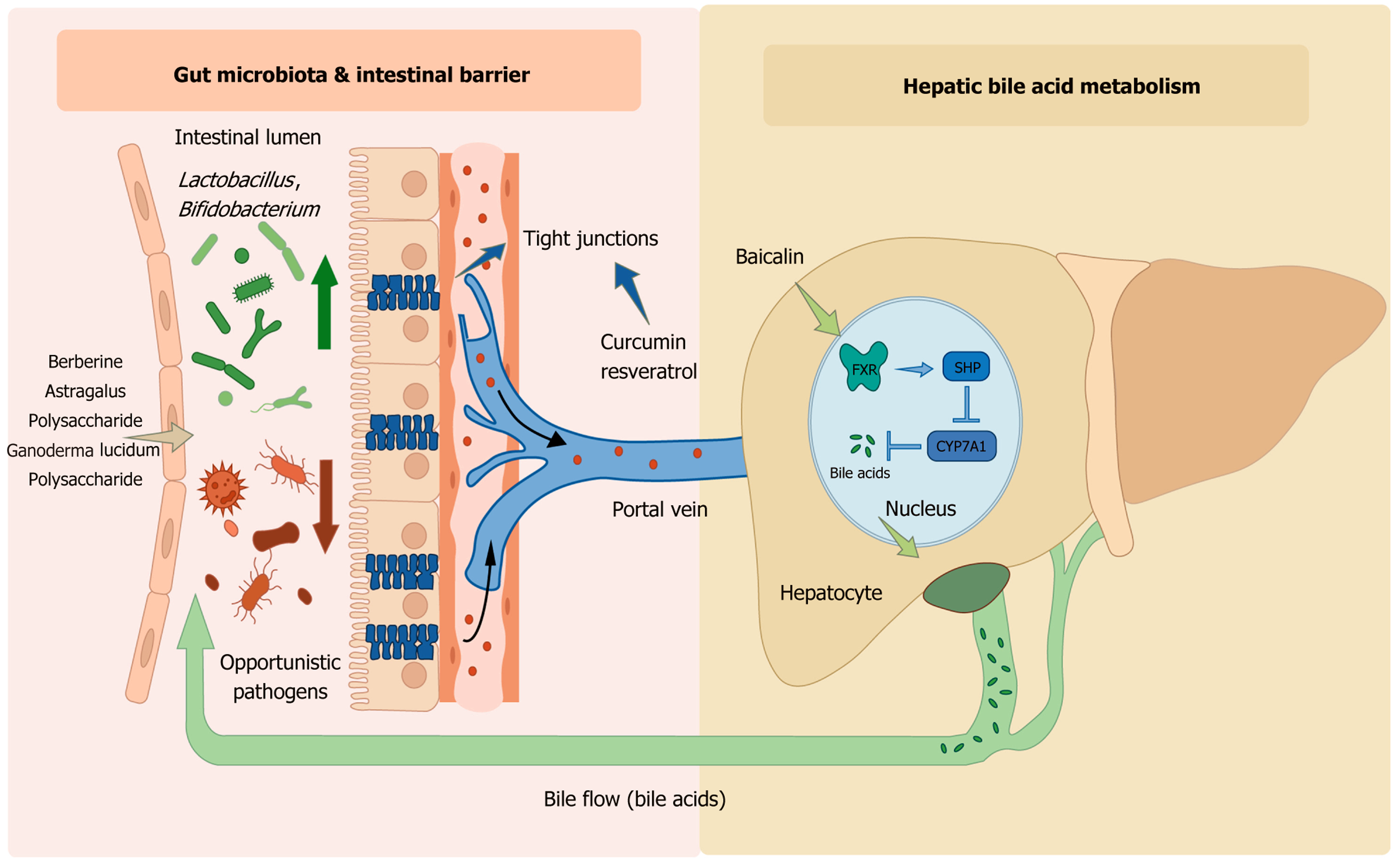
Figure 7 Modulation of gut microbiota & intestinal barrier and hepatic bile acid metabolism by traditional Chinese medicine bioactive components.
This schematic depicts the crosstalk between gut microbiota modulation, intestinal barrier integrity, and hepatic bile acid homeostasis regulated by traditional Chinese medicine-derived compounds, emphasizing their therapeutic potential in metabolic and cholestatic liver diseases. Berberine, Astragalus polysaccharide, and Ganoderma lucidum polysaccharide promote the proliferation of beneficial bacteria (Lactobacillus, Bifidobacterium) while suppressing opportunistic pathogens. Curcumin and resveratrol enhance intestinal epithelial tight junction integrity, reducing intestinal permeability and subsequent endotoxin influx. Baicalin modulates hepatic bile acid synthesis and transport via the nuclear receptor farnesoid X receptor, which upregulates small heterodimer partner and inhibits CYP7A1 (the rate-limiting enzyme in bile acid synthesis). This mechanism reduces bile acid overload in hepatocytes, mitigating cholestatic injury and improving liver function. FXR: Farnesoid X receptor; SHP: Small heterodimer partner.
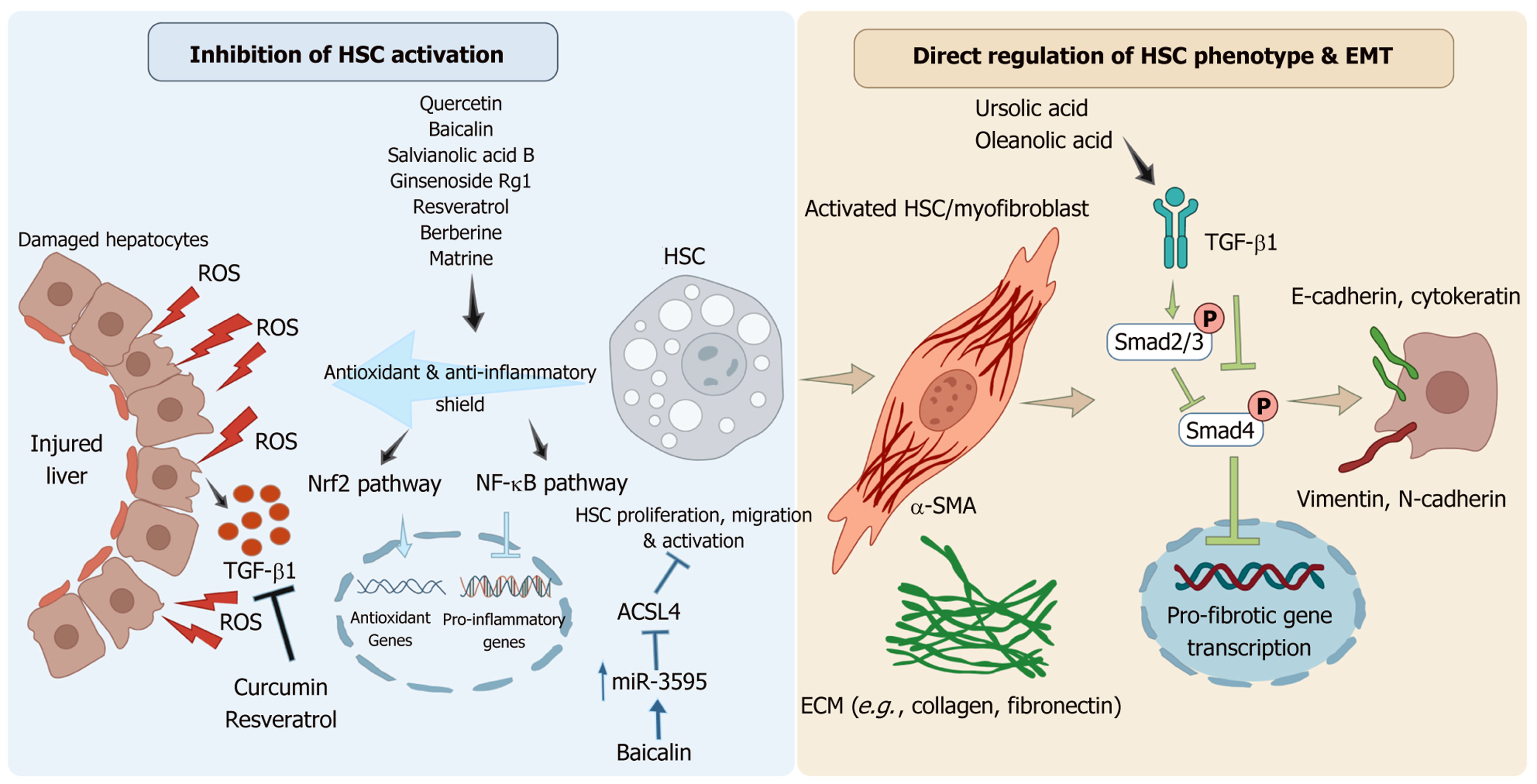
Figure 8 Multifaceted mechanisms of traditional Chinese medicine bioactive components in inhibiting hepatic stellate cell activation and extracellular matrix remodeling.
This schematic illustrates the dual-targeted anti-fibrotic strategies employed by traditional Chinese medicine-derived compounds, focusing on the attenuation of hepatic stellate cell (HSC) activation and the reversal of epithelial-mesenchymal transition, critical processes in liver fibrosis. In injured livers, damaged hepatocytes release reactive oxygen species and transforming growth factor-β1, triggering HSC proliferation, migration, and activation. Quercetin, baicalin, salvianolic acid B, ginsenoside Rg1, resveratrol, berberine, matrine, and curcumin counteract this by activating the nuclear factor erythroid 2-related factor 2 pathway (enhancing antioxidant defenses) and suppressing the nuclear factor-κB pathway (reducing pro-inflammatory gene expression). Baicalin and ACSL4/miR-3595 axis modulate HSC activation and fibrogenic signaling. Ursolic acid and oleanolic acid directly target activated HSCs/myofibroblasts, inhibiting the transforming growth factor-β1/Smad2/3/4 signaling cascade. This prevents the phosphorylation of Smad2/3, thereby preserving the epithelial phenotype (E-cadherin, cytokeratin) and suppressing the mesenchymal markers (vimentin, N-cadherin) and pro-fibrotic gene transcription. Consequently, the secretion of extracellular matrix (e.g., collagen, fibronectin) is attenuated. HSC: Hepatic stellate cell; ROS: Reactive oxygen species; TGF-β1: Transforming growth factor β1; EMT: Epithelial-mesenchymal transition; ECM: Extracellular matrix.
- Citation: Tang MJ, Feng KY, Zhuang ZJ, Wang HY, Wu MY, Li PH, Shi JP, Mi XX. Therapeutic efficacy and multitarget mechanisms of traditional Chinese medicine in hereditary liver diseases: Insights into bioactive components. World J Hepatol 2026; 18(9): 123969
- URL: https://www.wjgnet.com/1948-5182/full/v18/i9/123969.htm
- DOI: https://dx.doi.org/10.4254/wjh.123969