
















Copyright: ©Author(s) 2026.
World J Gastroenterol. Oct 28, 2026; 32(40): 117677
Published online Oct 28, 2026. doi: 10.3748/wjg.117677
Published online Oct 28, 2026. doi: 10.3748/wjg.117677
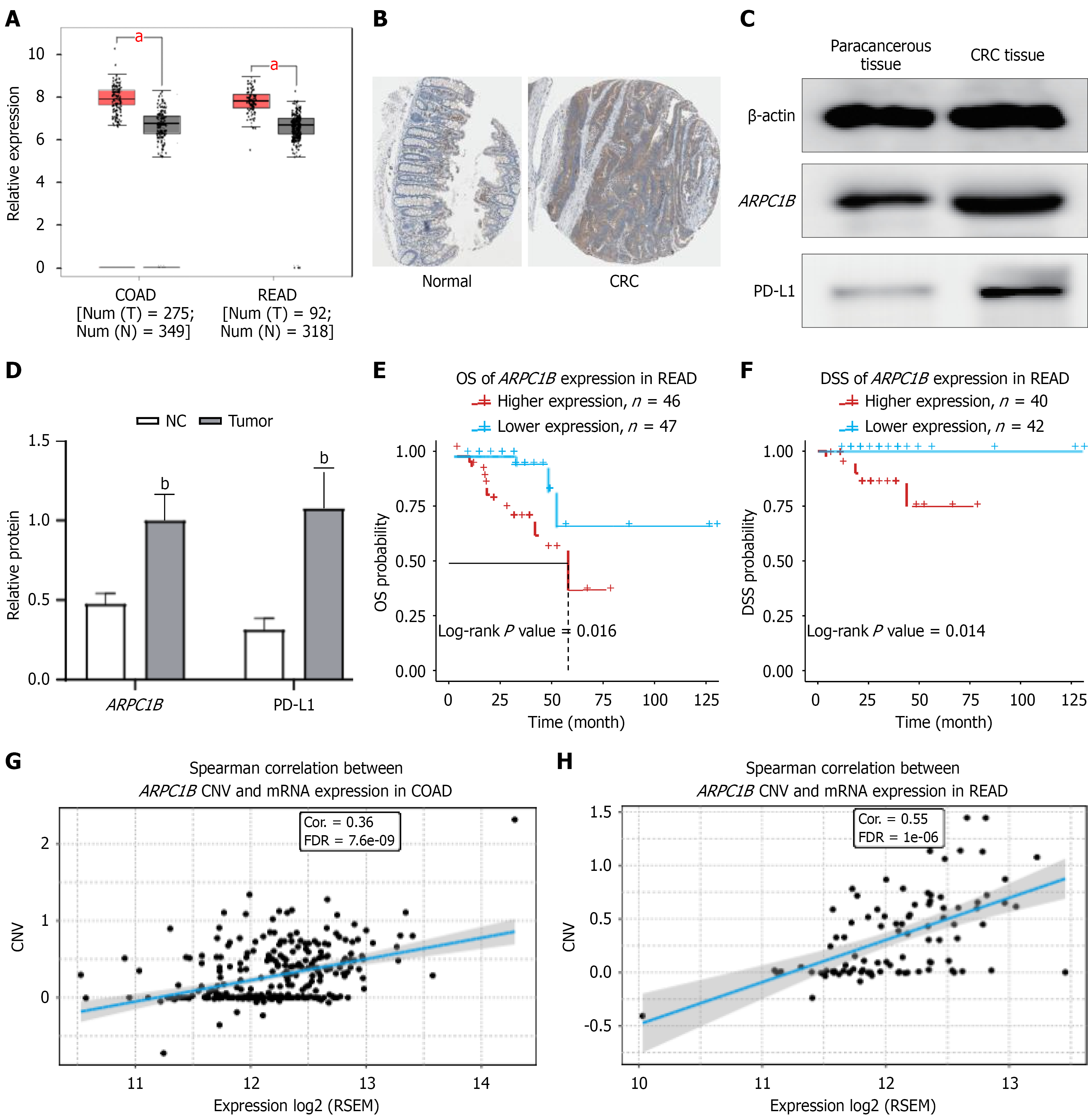
Figure 1 ARPC1B is highly-expressed in colorectal cancer patients.
A: The relative messenger RNA (mRNA) expression level of ARPC1B in the colon adenocarcinoma (COAD) and rectum adenocarcinoma (READ) datasets of The Cancer Genome Atlas database. The red boxplot indicates the colorectal cancer (CRC) tumor, and grey boxplot indicates the normal samples; B: The immunohistochemistry results of ARPC1B in CRC tissue and normal tissue were obtained from The Human Protein Atlas database (https://www.proteinatlas.org); C: The relative protein expression level of ARPC1B and programmed death-ligand 1 in 5 pairs of CRC and paracancerous tissue was determined via western blot; D: The statistical analysis of western blot; E: The overall survival of ARPC1B expression in READ by Gene Set Cancer Analysis (GSCA) database; F: The disease-specific survival of ARPC1B expression in READ by GSCA database; G: Spearman correlation between ARPC1B copy number variation (CNV) and mRNA expression in COAD by GSCA database; H: Spearman correlation between ARPC1B CNV and mRNA expression in READ by GSAV database. aP < 0.05. bP < 0.01. COAD: Colon adenocarcinoma; READ: Rectum adenocarcinoma; CRC: Colorectal cancer; PD-L1: Programmed death-ligand 1; NC: Negative control; OS: Overall survival; DSS: Disease-specific survival; CNV: Copy number variation; mRNA: Messenger RNA; FDR: False discovery rate; RSEM: RNA-sequencing by expectation-maximization.
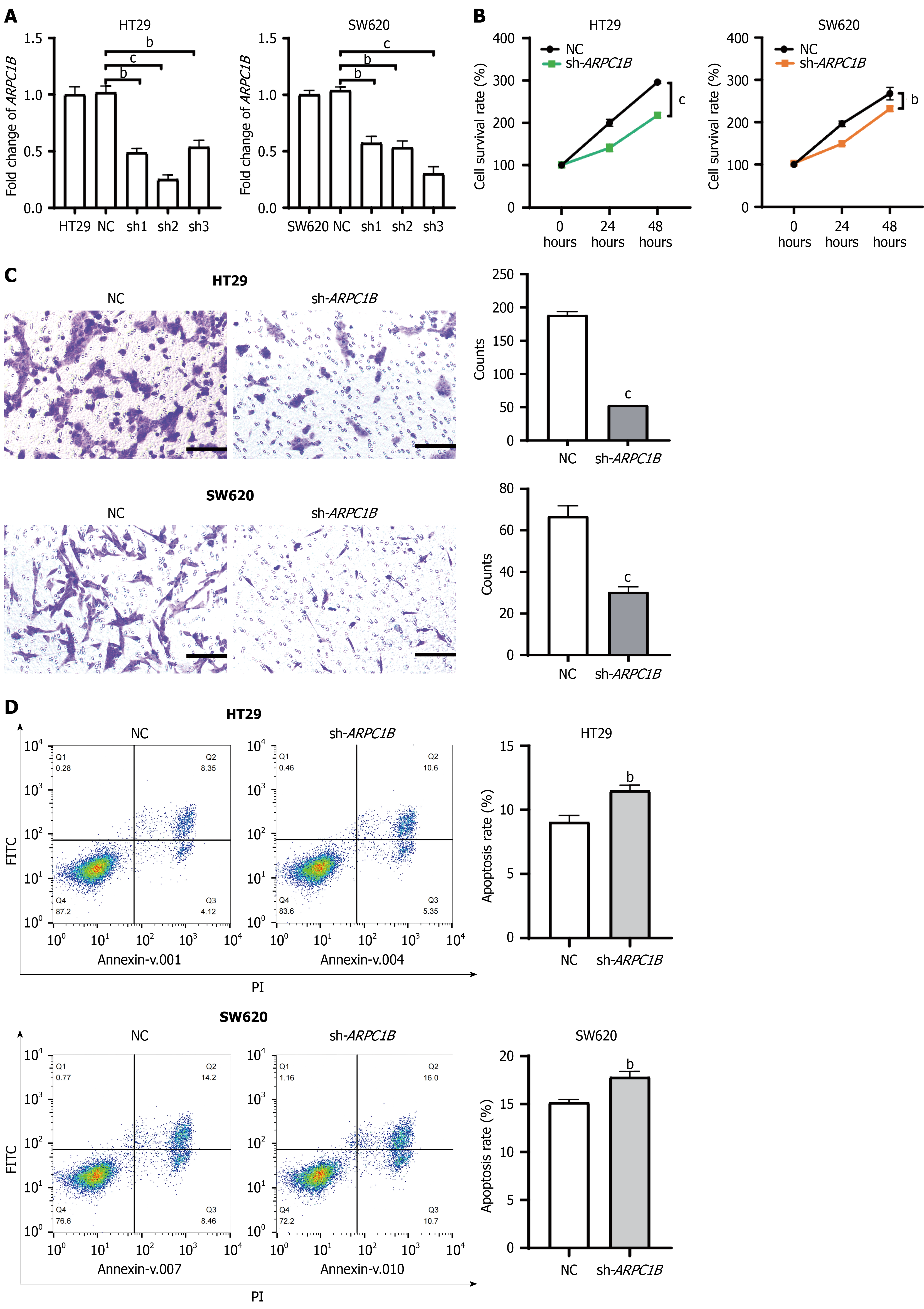
Figure 2 Knockdown of ARPC1B suppresses the malignant phenotype of colorectal cancer cell.
A: The knockdown efficiency of ARPC1B-short hairpin RNA (shRNA) 1-3 in HT29 and SW620 cell lines; B: The proliferation of HT29 and SW620 cell lines treated or not treated with ARPC1B-shRNA (sh-ARPC1B) was detected via cell counting kit-8 assay; C: The invasion of HT29 and SW620 cell lines treated or not treated with sh-ARPC1B was detected via transwell assay; D: The apoptosis rate of HT29 and SW620 cell lines treated or not treated with sh-ARPC1B was detected via flow-cytometry assay. n = 3. scale bar = 100 μm. aP < 0.05. bP < 0.01. cP < 0.001. NC: Negative control; sh-ARPC1B: ARPC1B-short hairpin RNA; FITC: Fluorescein isothiocyanate; PI: Propidium iodide.
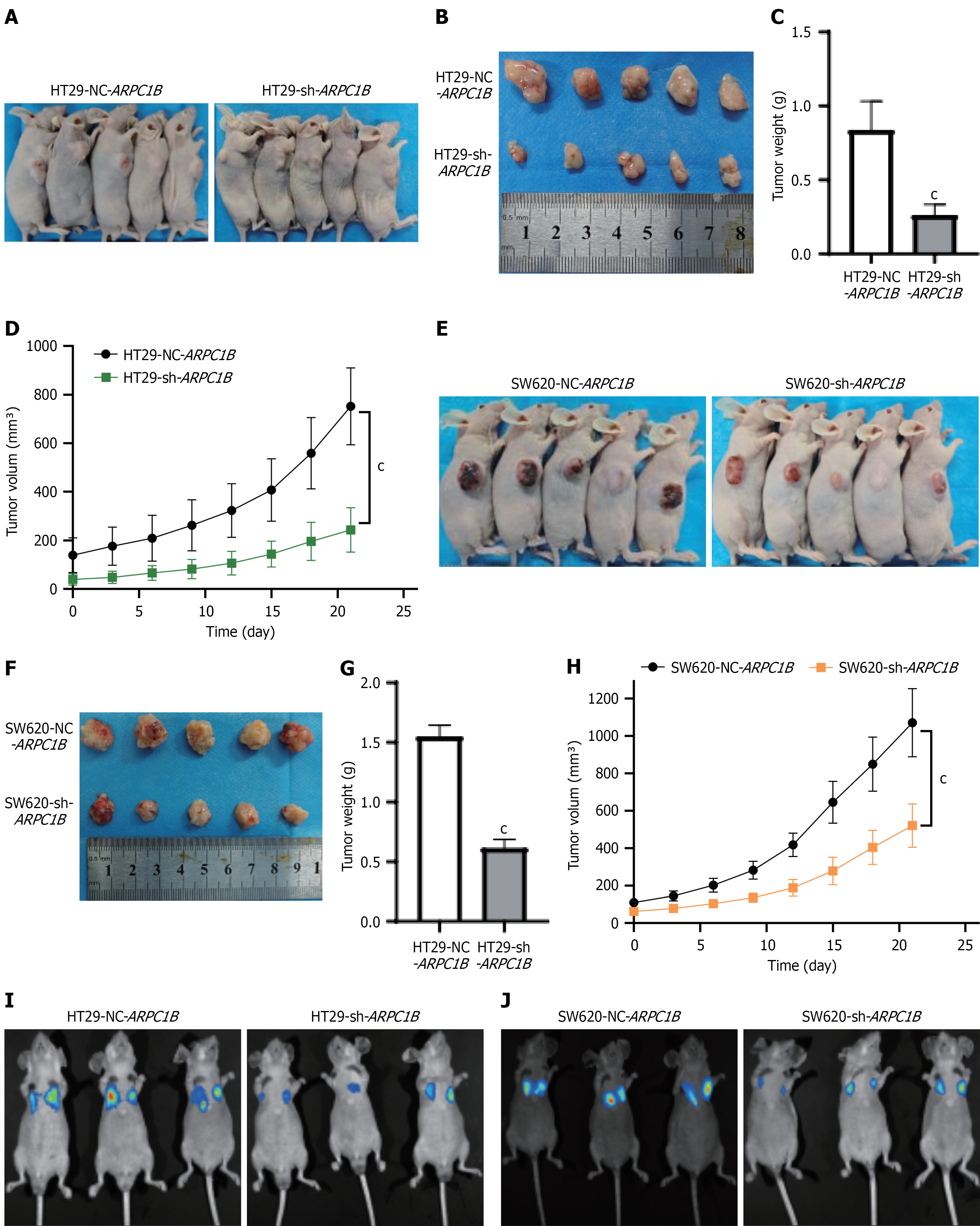
Figure 3 Knockdown of ARPC1B inhibits tumor growth and metastasis in xenograft nude mice model.
A: The image showed the HT29-xenograft nude mice model was successful established; B: The image showed the tumors obtained from nude mice model; C: The tumor weight of HT29-negative control (NC)-ARPC1B or HT29-ARPC1B-short hairpin RNA (shRNA) (sh-ARPC1B) xenograft nude mice models; D: The tumor volume of HT29-NC-ARPC1B or HT29-sh-ARPC1B xenograft nude mice models; E: The image showed the SW620-xenograft nude mice model was successful established; F: The image showed the tumors obtained from nude mice model; G: The tumor weight of SW620-NC-ARPC1B or SW620-sh-ARPC1B xenograft nude mice models; H: The tumor volume of SW620-NC-ARPC1B or SW620-sh-ARPC1B xenograft nude mice models (n = 5); I: The metastasis of colorectal cancer (CRC) induced by HT29 in nude mice was presented by bioluminescence and fluorescence imaging; J: The metastasis of CRC induced by SW620 in nude mice was presented by bioluminescence and fluorescence imaging (n = 3). cP < 0.001. NC: Negative control; sh-ARPC1B: ARPC1B-short hairpin RNA.
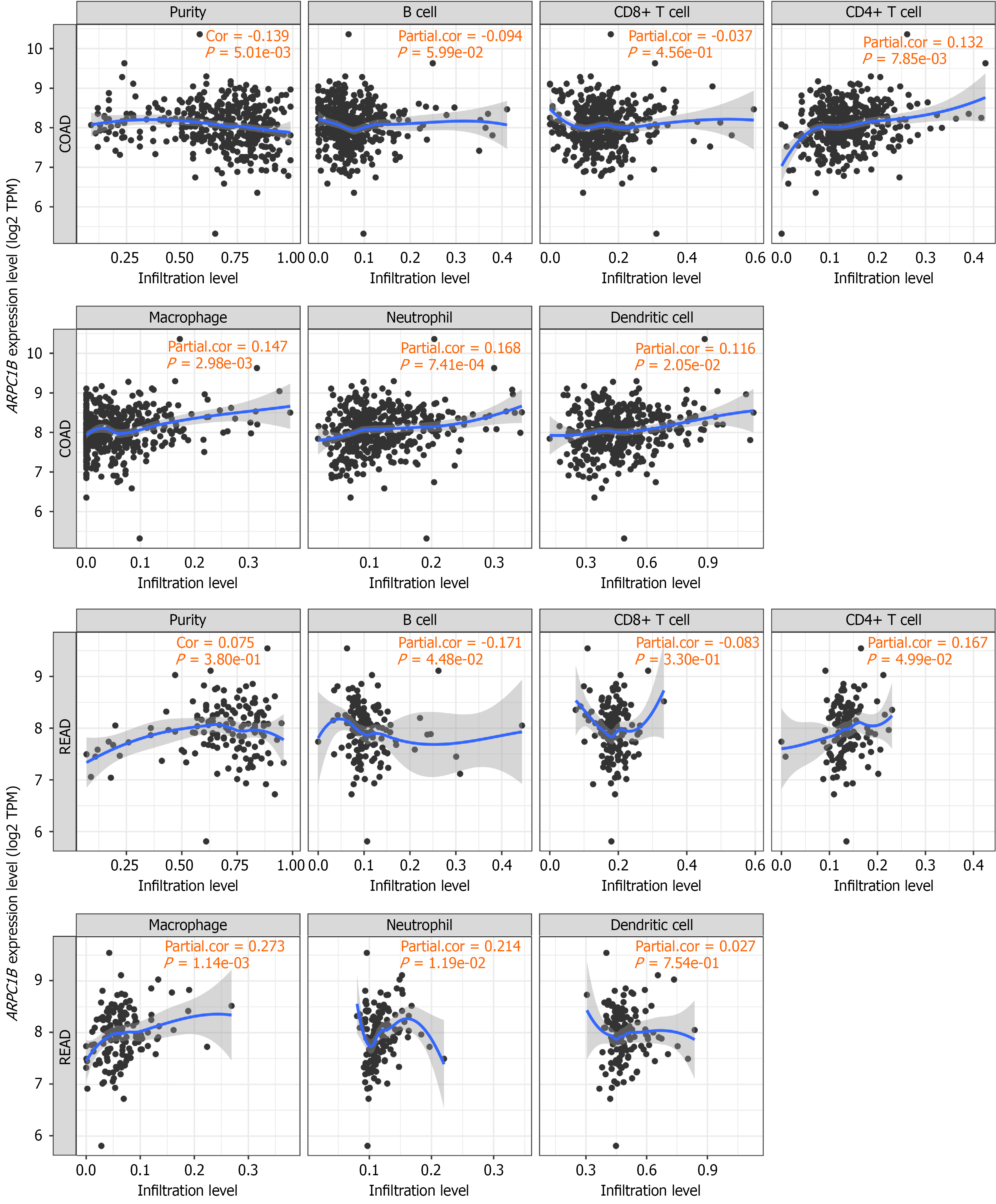
Figure 4 Correlations between ARPC1B expression and immune infiltration levels in colorectal cancer.
CD: Cluster of differentiation; TPM: Transcripts per million; COAD: Colon adenocarcinoma; READ: Rectum adenocarcinoma.
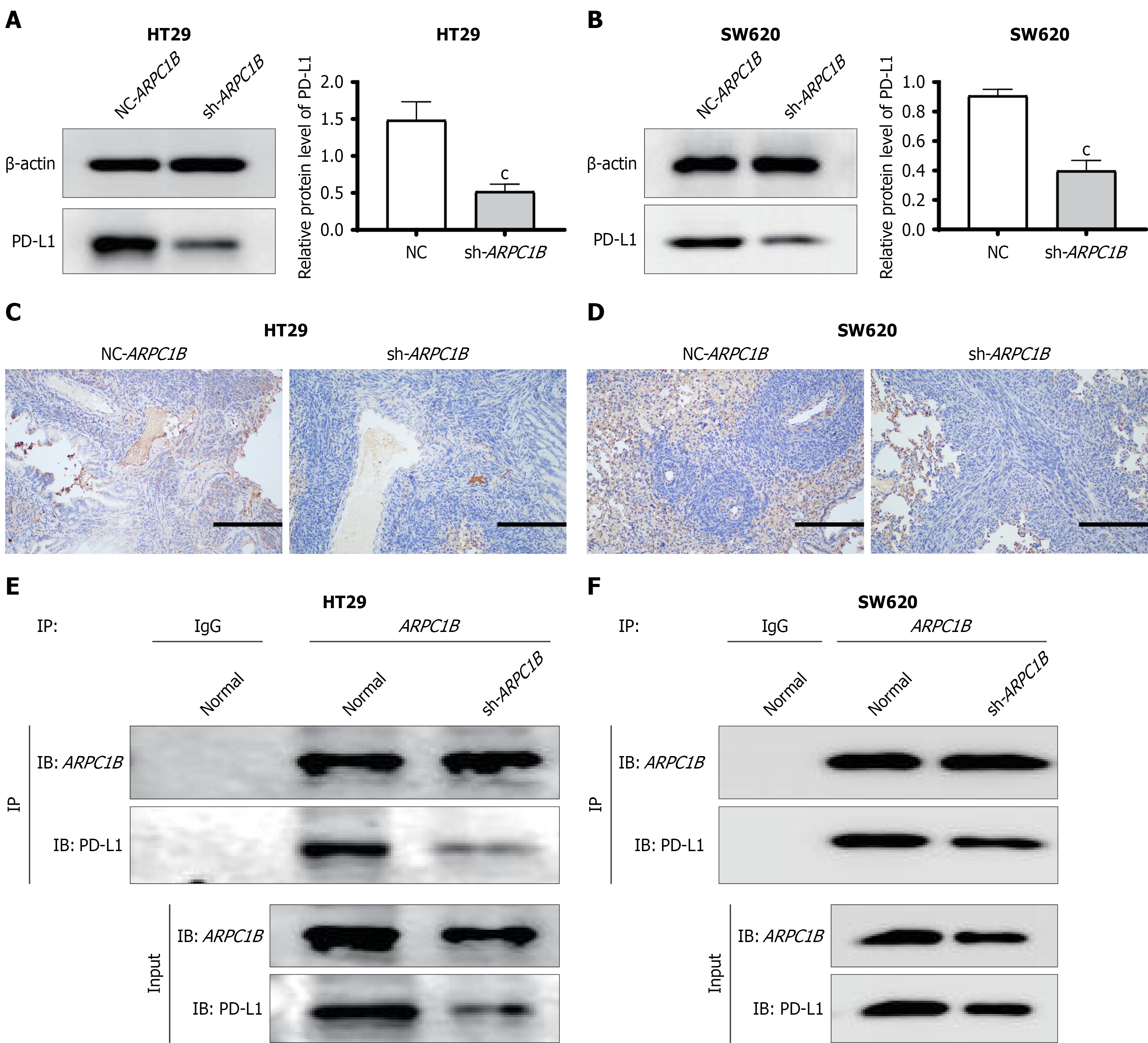
Figure 5 ARPC1B regulates programmed death-ligand 1 expression in colorectal cancer.
A: The relative protein expression level of programmed death-ligand 1 (PD-L1) in HT29-negative control (NC)-ARPC1B or HT29-ARPC1B-short hairpin RNA (shRNA) (sh-ARPC1B) xenograft nude mice models; B: The relative protein expression level of PD-L1 in SW620-NC-ARPC1B or SW620-sh-ARPC1B xenograft nude mice models; C: The representative immunohistochemistry results of PD-L1 in HT29-NC-ARPC1B or HT29-sh-ARPC1B xenograft nude mice models; D: The representative immunohistochemistry results of PD-L1 in SW620-NC-ARPC1B or SW620-sh-ARPC1B xenograft nude mice models; E: The co-immunoprecipitation (Co-IP) experiments of ARPC1B and PD-L1 in HT29 cells; F: The Co-IP experiments of ARPC1B and PD-L1 in SW620 cells (n = 3). scale bar = 100 μm. cP < 0.001. NC: Negative control; sh-ARPC1B: ARPC1B-short hairpin RNA; PD-L1: Programmed death-ligand 1; IP: Immunoprecipitation; IB: Immunoblotting; IgG: Immunoglobulin G.
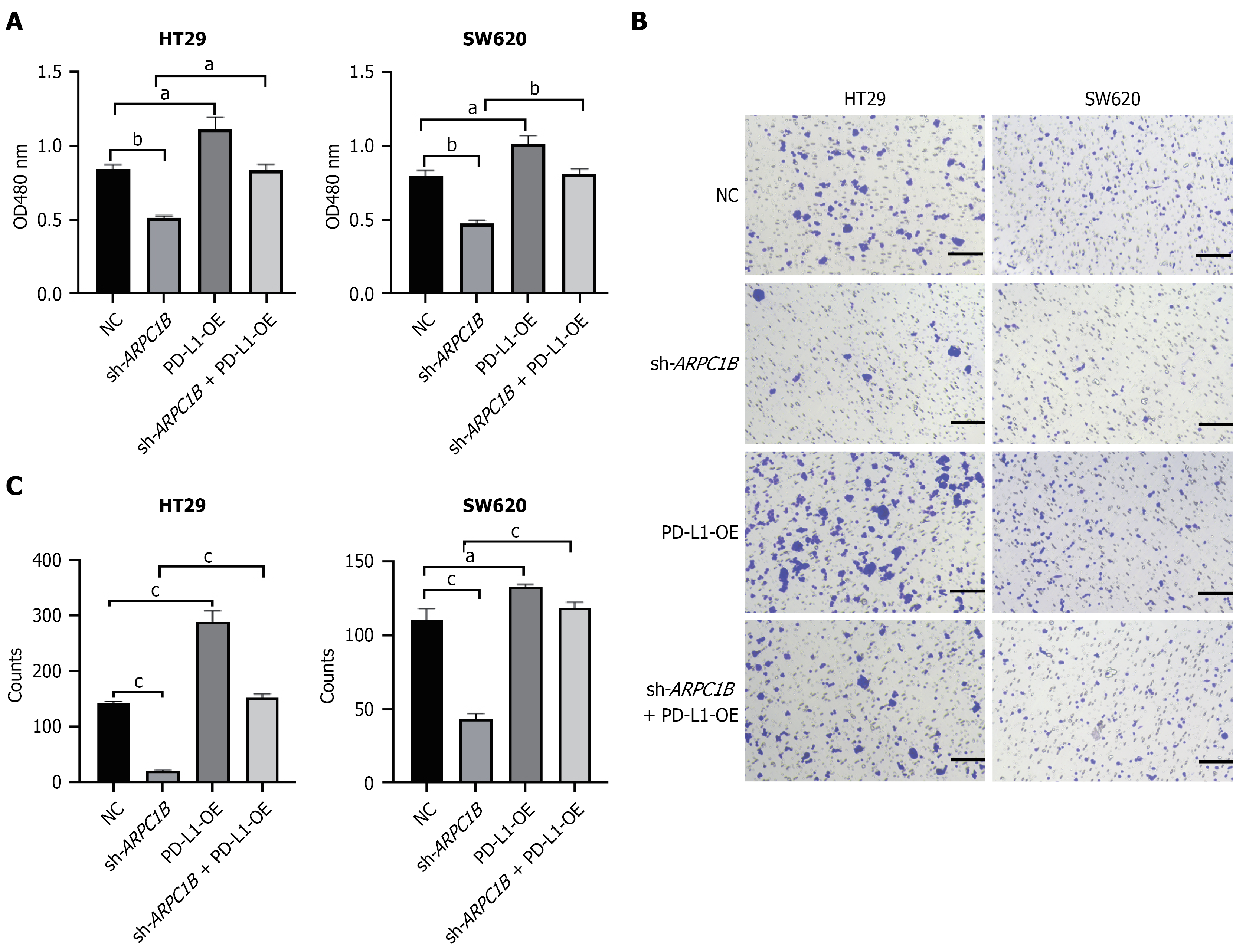
Figure 6 ARPC1B regulates programmed death-ligand 1 expression to promote colorectal cancer progression.
A: Cell counting kit-8 assay showed the light absorption value at 450 nm after 48 hours of HT29 and SW620 cells proliferation; B and C: Transwell showed the invasion of HT29 and SW620 cells under negative control, ARPC1B-short hairpin RNA (sh-ARPC1B), programmed death-ligand 1 (PD-L1)-over expression and sh-ARPC1B + PD-L1-over expression condition (n = 3). scale bar = 100 μm. aP < 0.05. bP < 0.01. cP < 0.001. NC: Negative control; sh-ARPC1B: ARPC1B-short hairpin RNA; PD-L1: Programmed death-ligand 1; OE: Over expression; OD: Optical density.
- Citation: Chen YL, Lin BA, Chen X, Liu XP, Huang JS. ARPC1B contributes to colorectal cancer progression and is associated with programmed death-ligand 1 expression. World J Gastroenterol 2026; 32(40): 117677
- URL: https://www.wjgnet.com/1007-9327/full/v32/i40/117677.htm
- DOI: https://dx.doi.org/10.3748/wjg.117677