
















Copyright: ©Author(s) 2026.
World J Stem Cells. Sep 26, 2026; 18(9): 125599
Published online Sep 26, 2026. doi: 10.4252/wjsc.125599
Published online Sep 26, 2026. doi: 10.4252/wjsc.125599
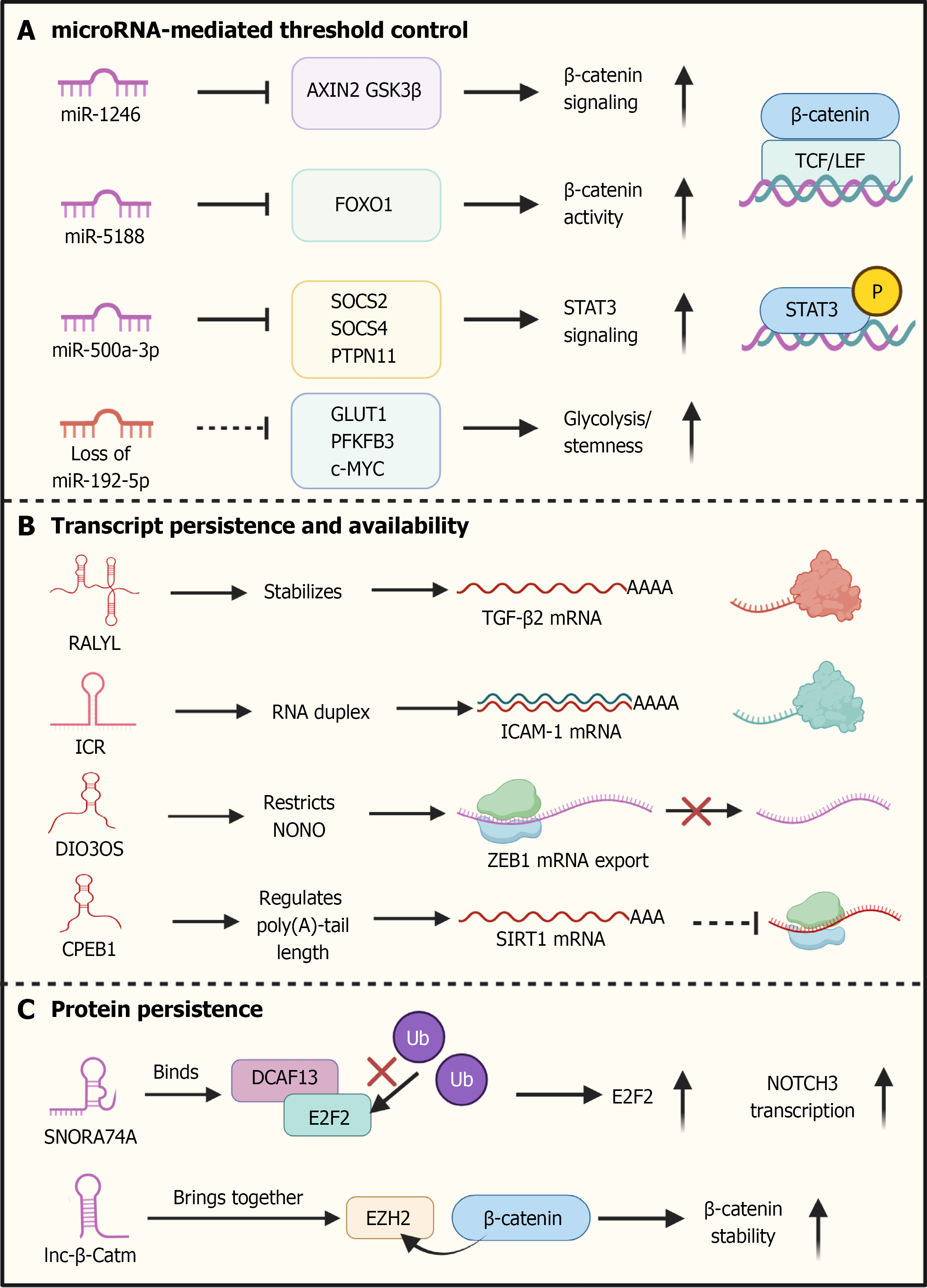
Figure 1 RNA control of self-renewal effector dosage and availability.
Representative routes by which RNA-centered mechanisms alter self-renewal effector dosage or availability in hepatocellular carcinoma cancer stem cell models. A: miR-1246, miR-5188 and miR-500a-3p reduce inhibitory inputs to β-catenin or STAT3 signaling, whereas loss of miR-192-5p supports glycolysis; B: RALYL and ICR preserve selected mRNAs, DIO3OS restricts ZEB1 mRNA export, and CPEB1 regulates SIRT1 mRNA poly(A)-tail length; C: SNORA74A limits E2F2 degradation to promote NOTCH3 transcription, whereas lnc-β-Catm stabilizes β-catenin.
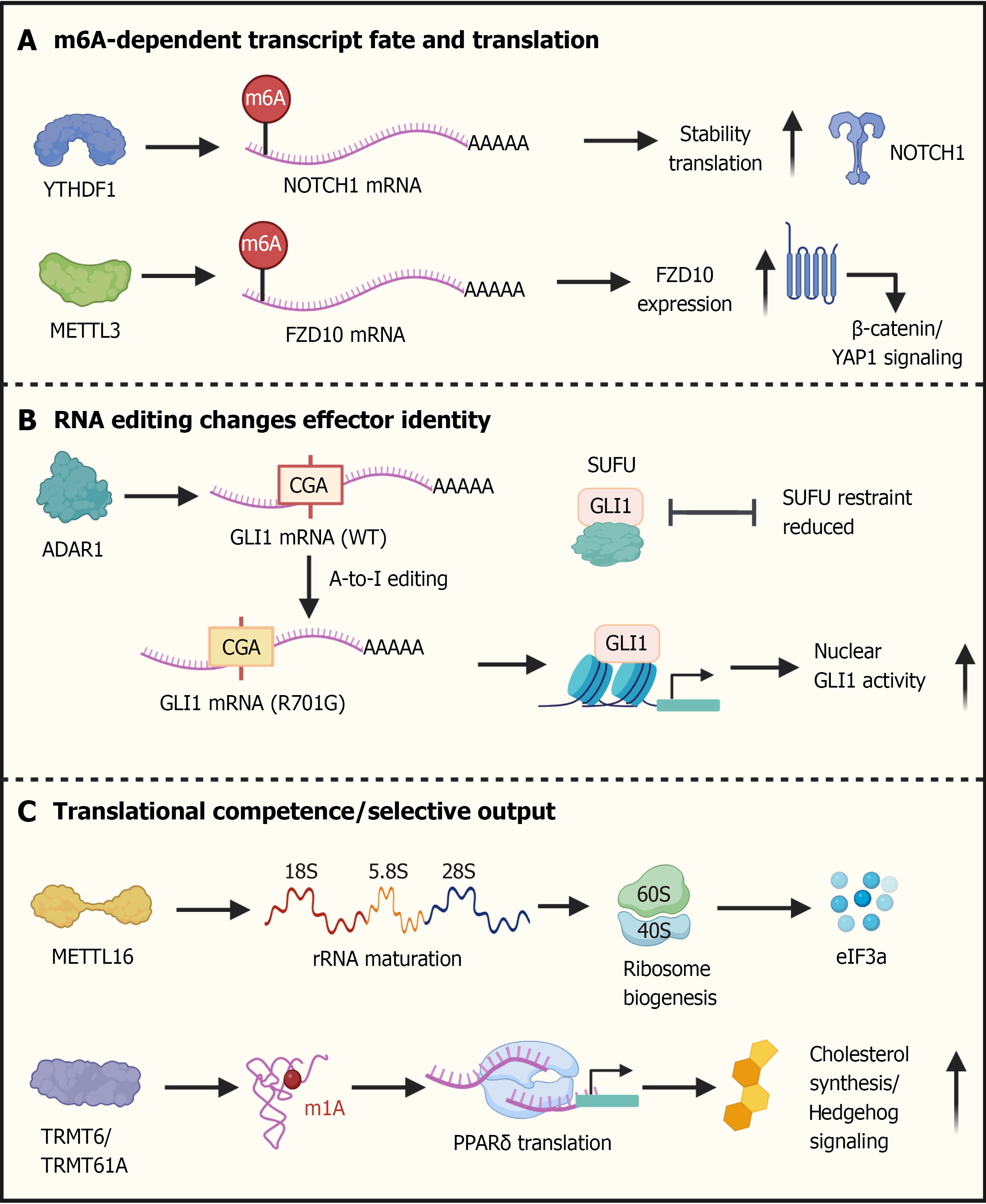
Figure 2 RNA modification, editing and translational machinery specify protein output.
A: YTHDF1 increases the stability and translation of m6A-marked NOTCH1 mRNA, whereas METTL3 promotes FZD10 expression; B: ADAR1-mediated A-to-I editing of GLI1 mRNA produces the R701G variant, reducing SUFU restraint and increasing nuclear GLI1 activity; C: METTL16 supports rRNA maturation and ribosome biogenesis, whereas TRMT6-TRMT61A-mediated tRNA m1A favors PPARδ translation and cholesterol-linked Hedgehog signaling.
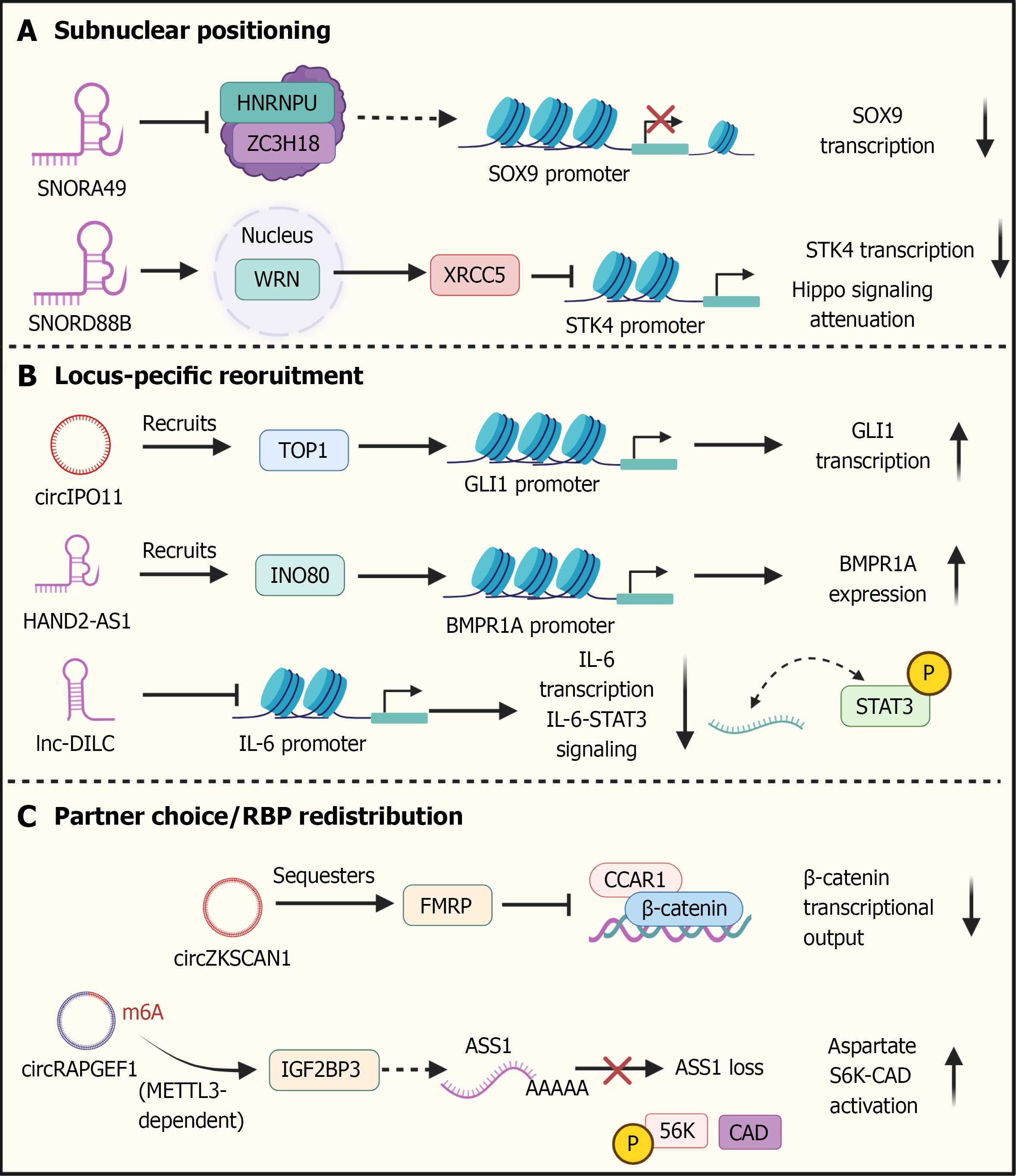
Figure 3 RNA-guided deployment of self-renewal regulatory activity.
Representative mechanisms in which RNA controls regulatory deployment through subnuclear positioning, locus access or RBP redistribution. A: SNORA49 limits HNRNPU-ZC3H18 recruitment to the SOX9 promoter, whereas SNORD88B positions WRN in the nucleolus and attenuates STK4/Hippo signaling; B: circIPO11 recruits TOP1 to the GLI1 promoter, HAND2-AS1 recruits INO80 to the BMPR1A promoter, and lnc-DILC limits IL-6 transcription; C: circZKSCAN1 sequesters FMRP away from CCAR1 mRNA, whereas m6A-modified circRAPGEF1 redirects IGF2BP3 away from ASS1 mRNA.
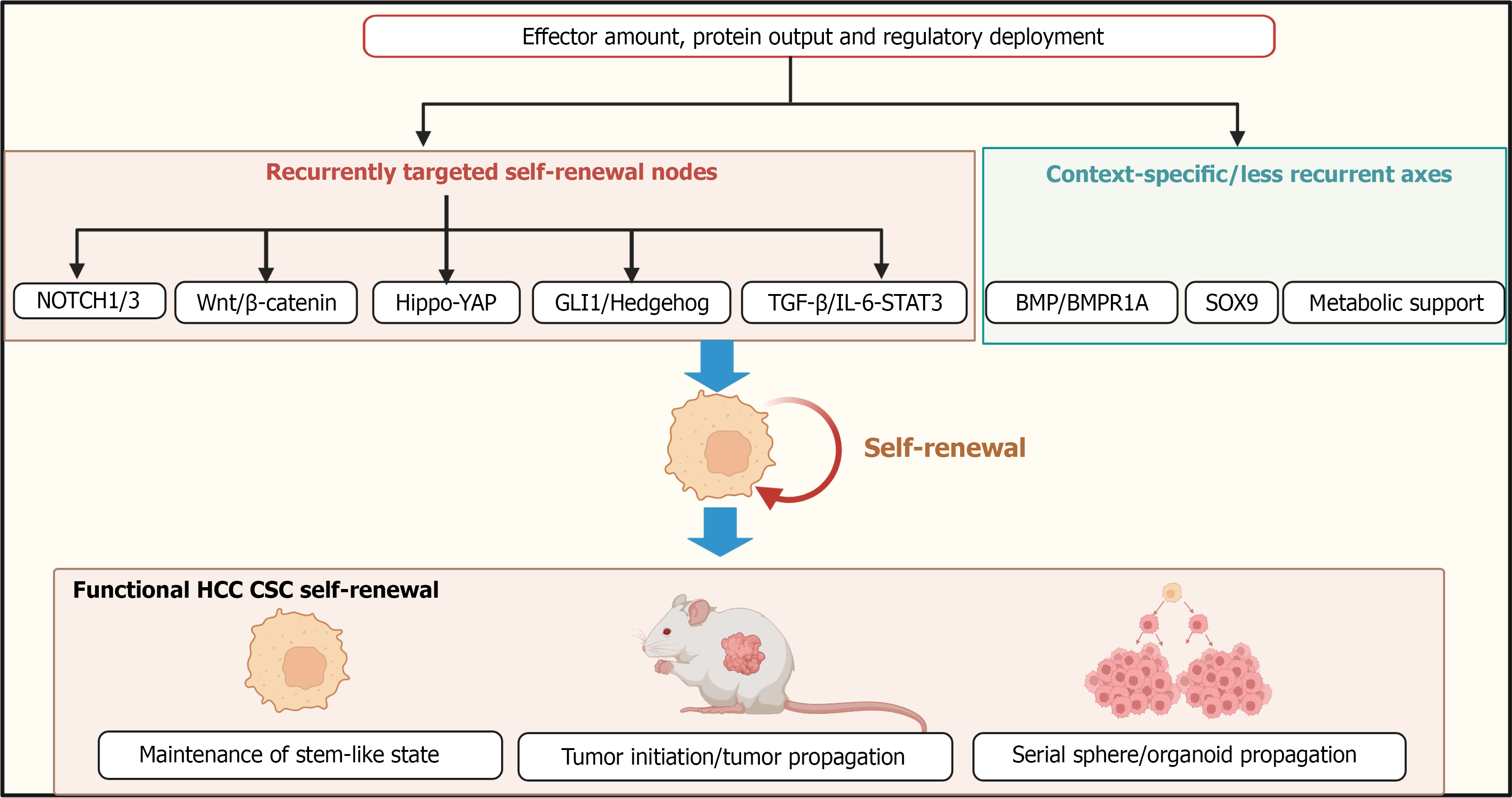
Figure 4 Integrated model of RNA-centered convergence on functional hepatocellular carcinoma cancer stem cell self-renewal.
Integrated model linking the three analytical operations to recurrent self-renewal nodes. The strongest cross-mechanism convergence occurs at NOTCH, Wnt-β-catenin, Hedgehog/GLI1, Hippo-YAP and TGF-β/IL-6-STAT3. BMP/BMPR1A, SOX9 and metabolic circuits are shown as context-specific or less recurrent axes. The model summarizes pathway-level recurrence rather than a universal upstream RNA program.
- Citation: Deng Y, Yan L. RNA-centered mechanisms sustaining self-renewal in hepatocellular carcinoma stem cells: Effector dosage, protein output and regulatory deployment. World J Stem Cells 2026; 18(9): 125599
- URL: https://www.wjgnet.com/1948-0210/full/v18/i9/125599.htm
- DOI: https://dx.doi.org/10.4252/wjsc.125599