
















Copyright: ©Author(s) 2026.
World J Stem Cells. Sep 26, 2026; 18(9): 122513
Published online Sep 26, 2026. doi: 10.4252/wjsc.122513
Published online Sep 26, 2026. doi: 10.4252/wjsc.122513
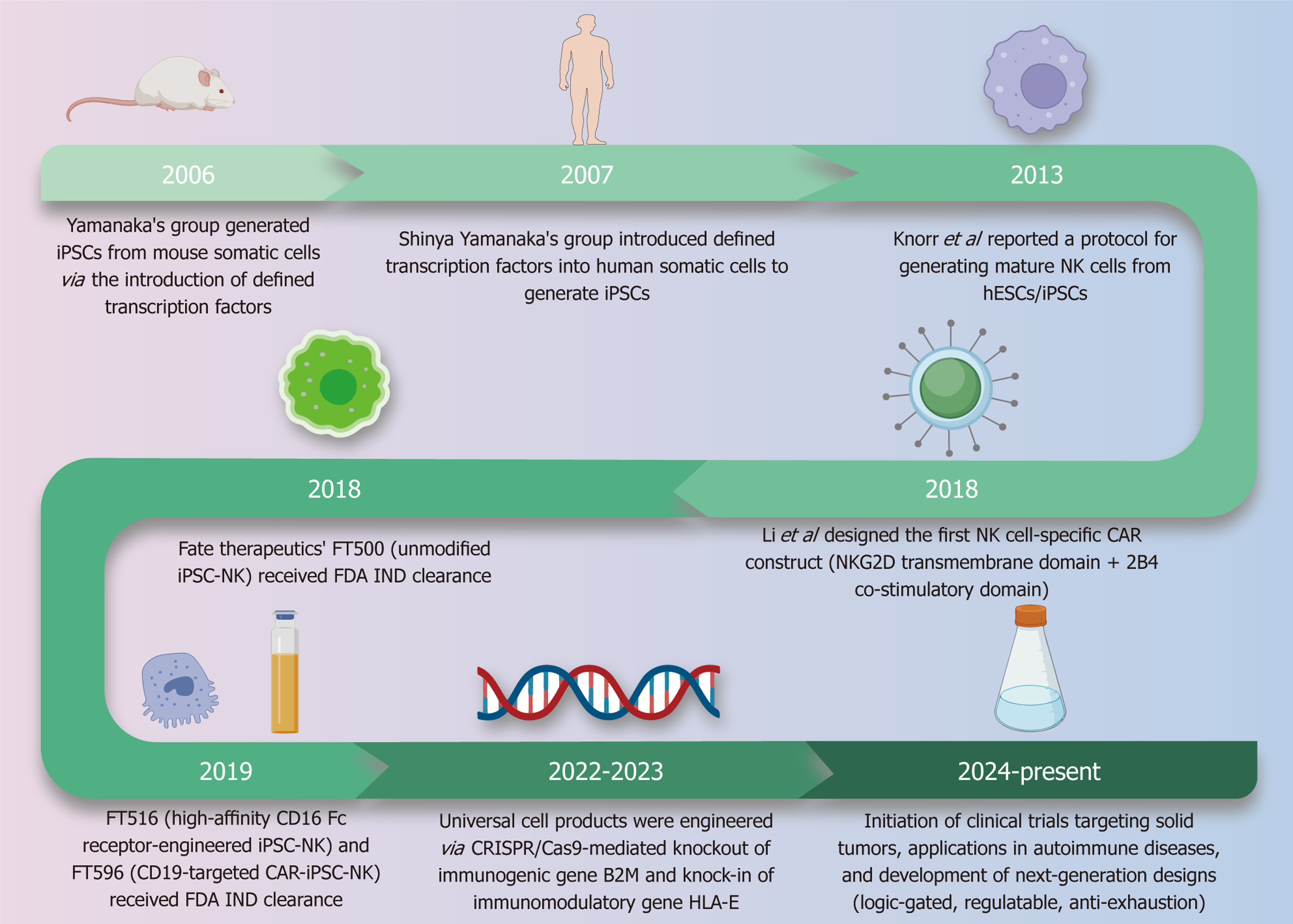
Figure 1 Developmental timeline of induced pluripotent stem cell-derived chimeric antigen receptor natural killer cells.
The figure sum
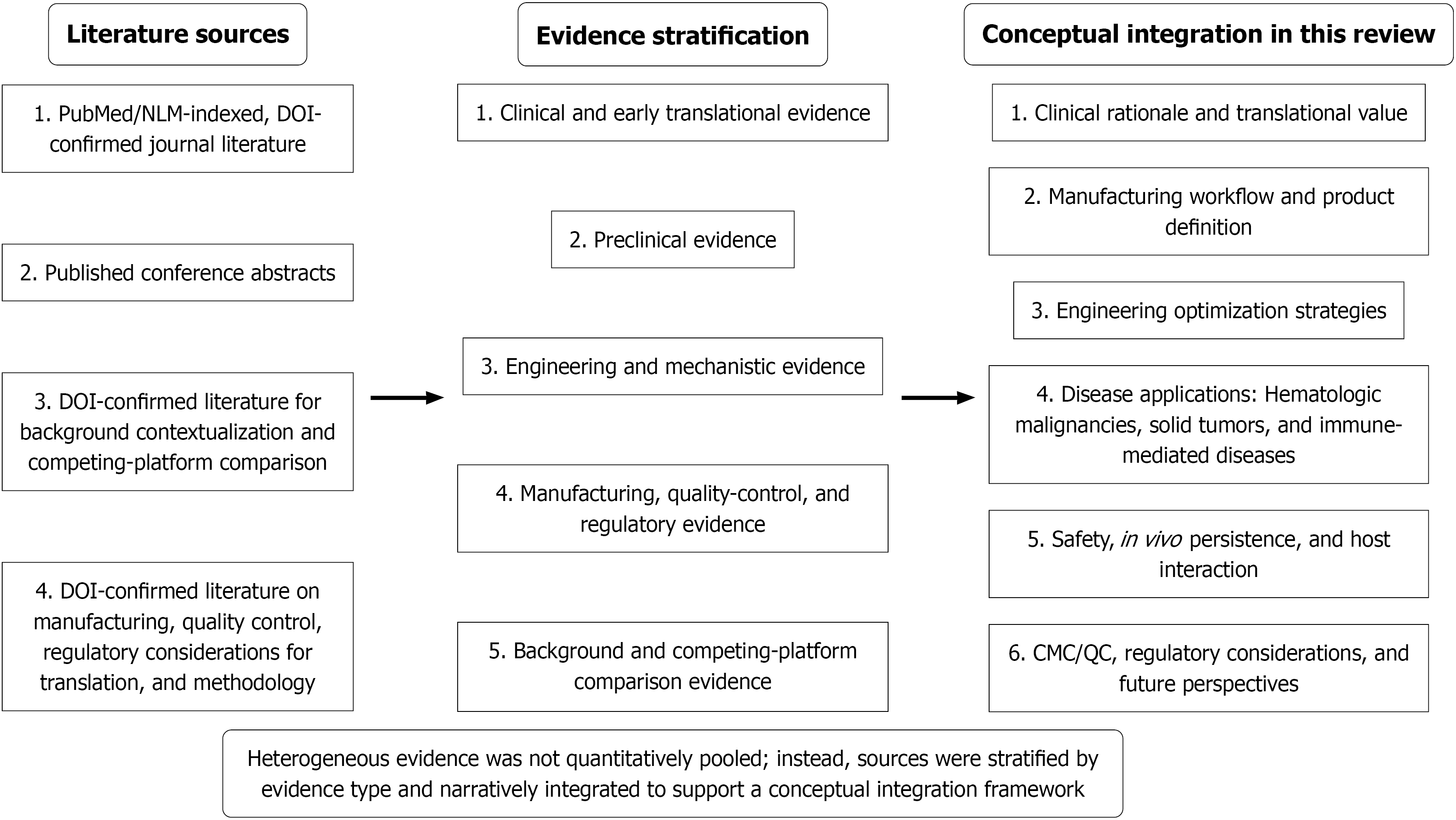
Figure 2 Literature sources, evidence stratification, and conceptual integration framework.
This figure summarizes the literature sources, evidence-type stratification, and process of conceptual integration in this review. This review is primarily based on journal articles indexed in PubMed/NLM and confirmed by DOI verification, while also including published conference abstracts and DOI-confirmed literature related to background contextualization, comparison with competing platforms, manufacturing, quality control, regulatory considerations for translation, and methodology. As this review is a narrative review rather than a systematic review or meta-analysis, no quantitative pooled analysis was performed. Instead, the evidence was stratified into clinical and early translational evidence, preclinical evidence, engineering and mechanistic evidence, evidence related to manufacturing, quality control, and regulation, and background evidence and competing-platform comparison evidence, thereby supporting the conceptual integration framework of this review. CMC: Chemistry, Manufacturing and Controls; QC: Quality control.
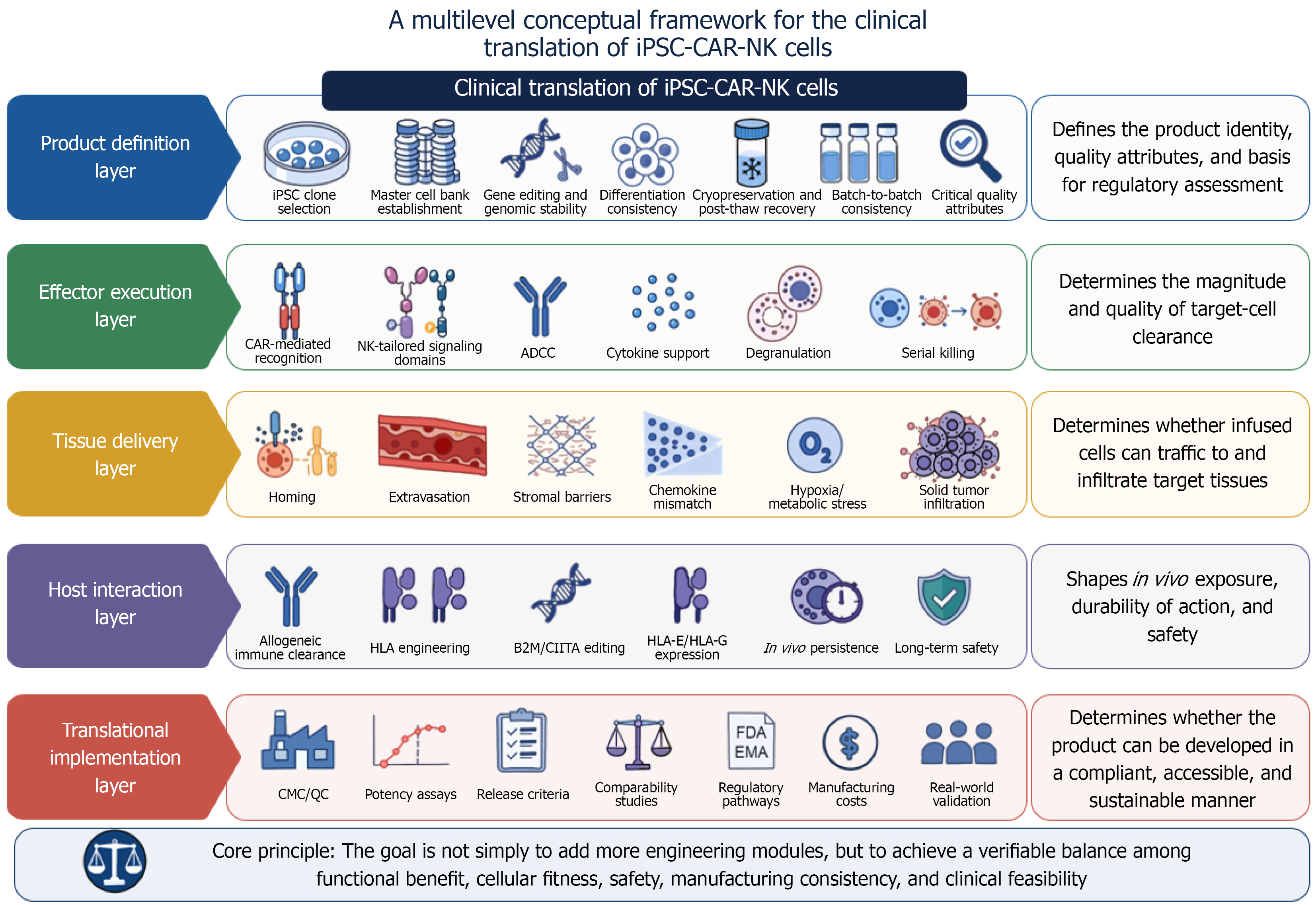
Figure 3 Multilevel conceptual framework for the clinical translation of induced pluripotent stem cell-derived chimeric antigen receptor natural killer cells.
This figure summarizes the multilevel analytical model for the clinical translation of induced pluripotent stem cell-derived chimeric antigen receptor natural killer (iPSC-CAR-NK) cells proposed in this review. This framework is not a linear manufacturing workflow, but rather a conceptual integration model for understanding different limiting layers and their interrelationships during the transition of iPSC-CAR-NK cells from engineering design to clinical application. The framework includes the product definition layer, effector execution layer, tissue delivery layer, host interaction layer, and translational implementation layer, which correspond to product quality attributes and manufacturing consistency, target-cell clearance function, lesion-site delivery capacity, in vivo host interactions, and conditions for translational implementation, respectively. This framework emphasizes that the clinical translation of iPSC-CAR-NK cells should not be understood as a simple accumulation of engineering modules, but should instead be pursued through a verifiable balance among functional benefits, cellular fitness, safety, manufacturing consistency, and clinical implementability. iPSCs: Induced pluripotent stem cells; NK: Natural killer; CAR: Chimeric antigen receptor; ADCC: Antibody-dependent cellular cytotoxicity; B2M: Beta-2 microglobulin; HLA: Human leukocyte antigen; CMC: Chemistry, Manufacturing and Controls; QC: Quality control; FDA: Food and Drug Administration; EMA: European Medicines Agency.
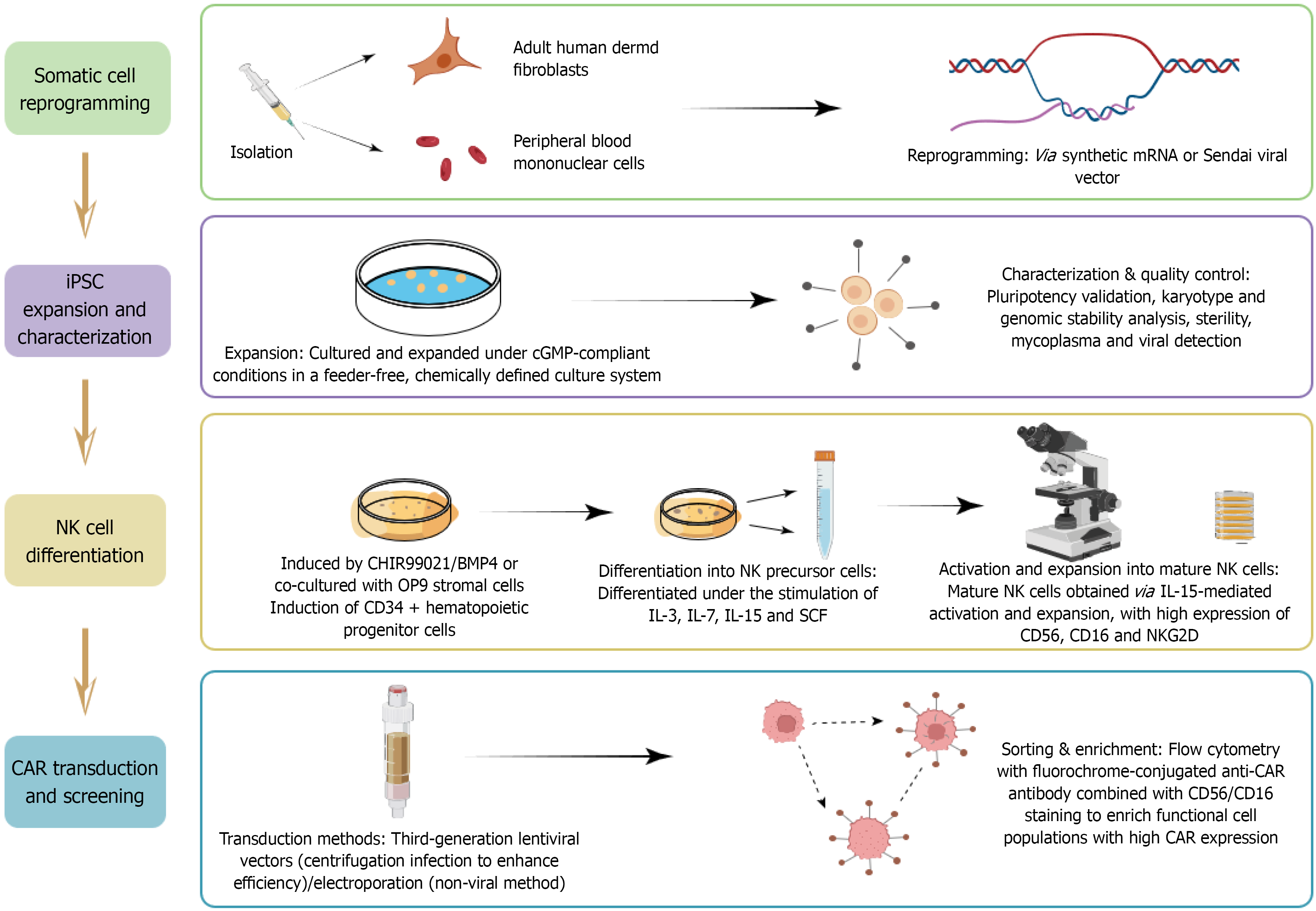
Figure 4 Manufacturing workflow of induced pluripotent stem cell-derived chimeric antigen receptor natural killer cells.
The figure outlines the manufacturing workflow of induced pluripotent stem cell-derived chimeric antigen receptor natural killer (iPSC-CAR-NK) cells. Somatic cells, including adult human dermal fibroblasts and peripheral blood mononuclear cells, are first isolated and reprogrammed into iPSCs using synthetic mRNA or Sendai viral vectors. Candidate iPSCs are then cultured and expanded under current Good Manufacturing Practice-compliant, feeder-free, chemically defined culture conditions, followed by characterization and quality-control testing, including pluripotency validation, karyotype and genomic-stability analysis, sterility testing, mycoplasma testing, and viral detection. NK cell differentiation is initiated by CHIR99021 and bone morphogenetic protein 4 or by co-culture with OP9 stromal cells to induce cluster of differentiation 34-positive (CD34+) hematopoietic progenitor cells. These cells are further differentiated into NK precursor cells under stimulation with interleukin-3 (IL-3), IL-7, IL-15, and stem cell factor, followed by IL-15-mediated activation and expansion into mature NK cells with high expression of CD56, CD16, and natural killer group 2 member D. CAR introduction is performed using third-generation lentiviral vectors, with centrifugation-assisted infection to enhance transduction efficiency, or by non-viral electroporation. Finally, CAR-positive NK-cell populations are sorted and enriched by flow cytometry using fluorochrome-conjugated anti-CAR antibody staining combined with CD56 and CD16 staining. iPSCs: Induced pluripotent stem cells; NK: Natural killer; CAR: Chimeric antigen receptor; miRNA: MicroRNA; CD: Cluster of differentiation; IL: Interleukin; SCF: Stem cell factor; NKG2D: Natural killer group 2 member D.
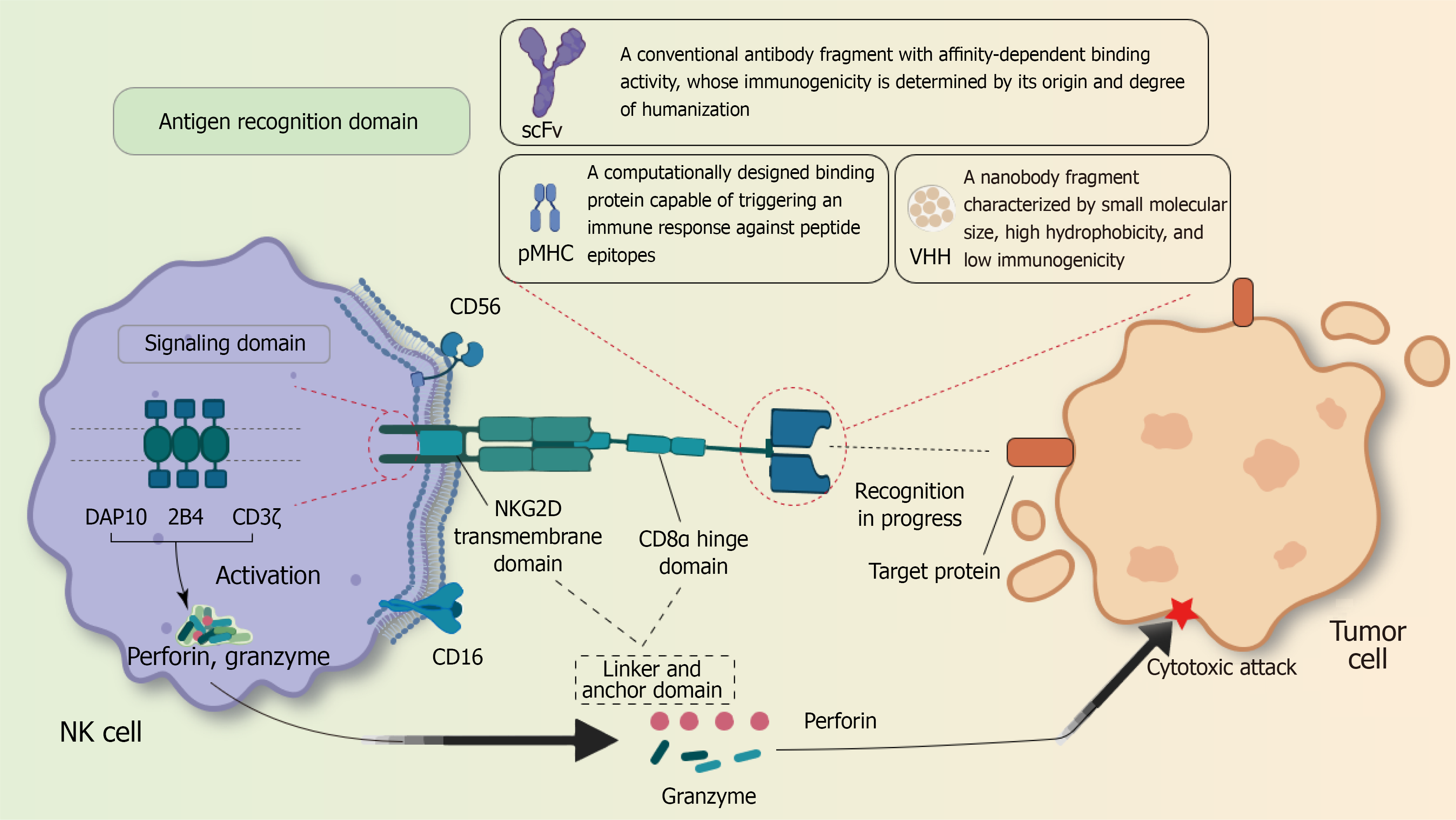
Figure 5 Schematic diagram of chimeric antigen receptor natural killer cell structural optimization.
The figure illustrates key structural modules involved in the optimization of chimeric antigen receptor natural killer (CAR-NK) cells. The antigen-recognition domain can be designed using different binding modules, including a single-chain variable fragment, a binding protein targeting peptide-major histocompatibility complex, or a nanobody, also known as the variable domain of a heavy-chain-only antibody. These antigen-binding modules differ in molecular size, binding properties, hydrophobicity, and potential immunogenicity. The extracellular recognition module is connected to intracellular signaling components through linker, hinge, and transmembrane regions, such as a cluster of differentiation 8 alpha (CD8α) hinge domain and a natural killer group 2 member D transmembrane domain. NK cell-associated surface molecules, including cluster of differentiation 56 (CD56) and CD16, and NK-adapted signaling domains, including DNAX-activating protein 10, 2B4, also known as CD244, and CD3ζ, contribute to CAR-NK cell activation. After target recognition, activated CAR-NK cells mediate cytotoxic attack through effector molecules such as perforin and granzymes. scFv: Single-chain variable fragment; pMHC: Peptide-major histocompatibility complex; CD: Cluster of differentiation; DAP10: DNAX-activating protein 10; NKG2D: Natural killer group 2 member D.
- Citation: Liu XL, Han SM, Ye GH, Wang QL, Luo Y, Liu YM. Induced pluripotent stem cell-derived chimeric antigen receptor natural killer cells: Engineering innovations, translational hurdles and clinical prospects in immune therapy. World J Stem Cells 2026; 18(9): 122513
- URL: https://www.wjgnet.com/1948-0210/full/v18/i9/122513.htm
- DOI: https://dx.doi.org/10.4252/wjsc.122513