
















Copyright: ©Author(s) 2026.
World J Transl Med. Nov 28, 2026; 12(4): 125988
Published online Nov 28, 2026. doi: 10.5528/wjtm.125988
Published online Nov 28, 2026. doi: 10.5528/wjtm.125988
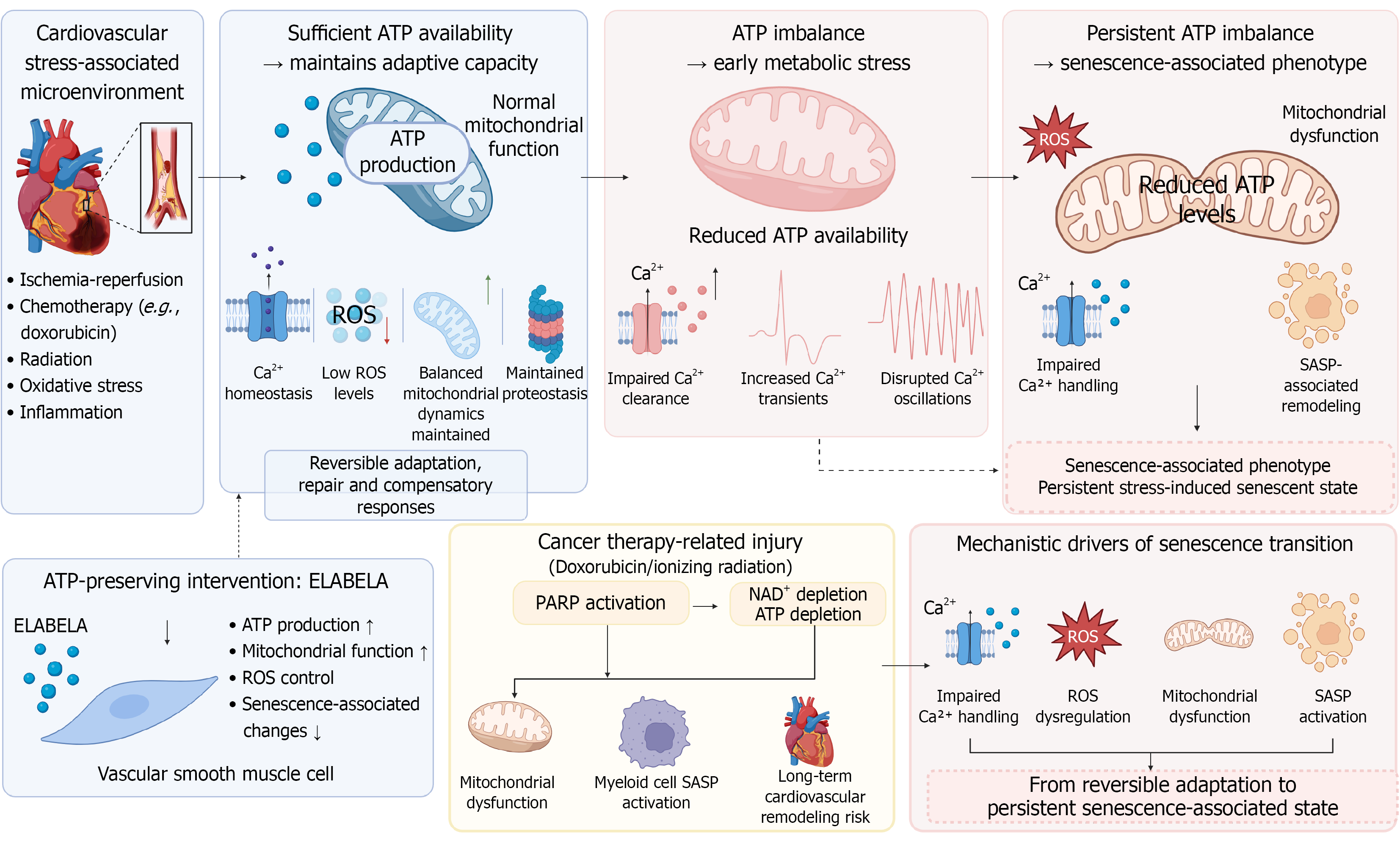
Figure 1 Adenosine triphosphate homeostasis, metabolic adaptation, and senescence-associated changes in cardiovascular injury.
Cardiovascular stress alters cellular energetics together with mitochondrial function, Ca²+ handling, redox balance, and proteostasis. During sustained stress, impaired adenosine triphosphate (ATP) homeostasis can accompany mitochondrial dysfunction and oxidative and Ca²+ disturbances, whereas prolonged metabolic dysfunction is associated with senescence-related changes, including stable cell-cycle arrest and SASP activity. ATP disturbance may occur upstream or downstream of these processes, and the sequence is unlikely to be uniform across cardiovascular cell types. The figure therefore summarizes the proposed relationships among ATP homeostasis, metabolic adaptation, and senescence-associated remodeling rather than defining a fixed pathway or ATP threshold. ATP: Adenosine triphosphate; Ca²+: Calcium ion; NAD+: Nicotinamide adenine dinucleotide; PARP: Poly(ADP-ribose) polymerase; ROS: Reactive oxygen species; SASP: Senescence-associated secretory phenotype.
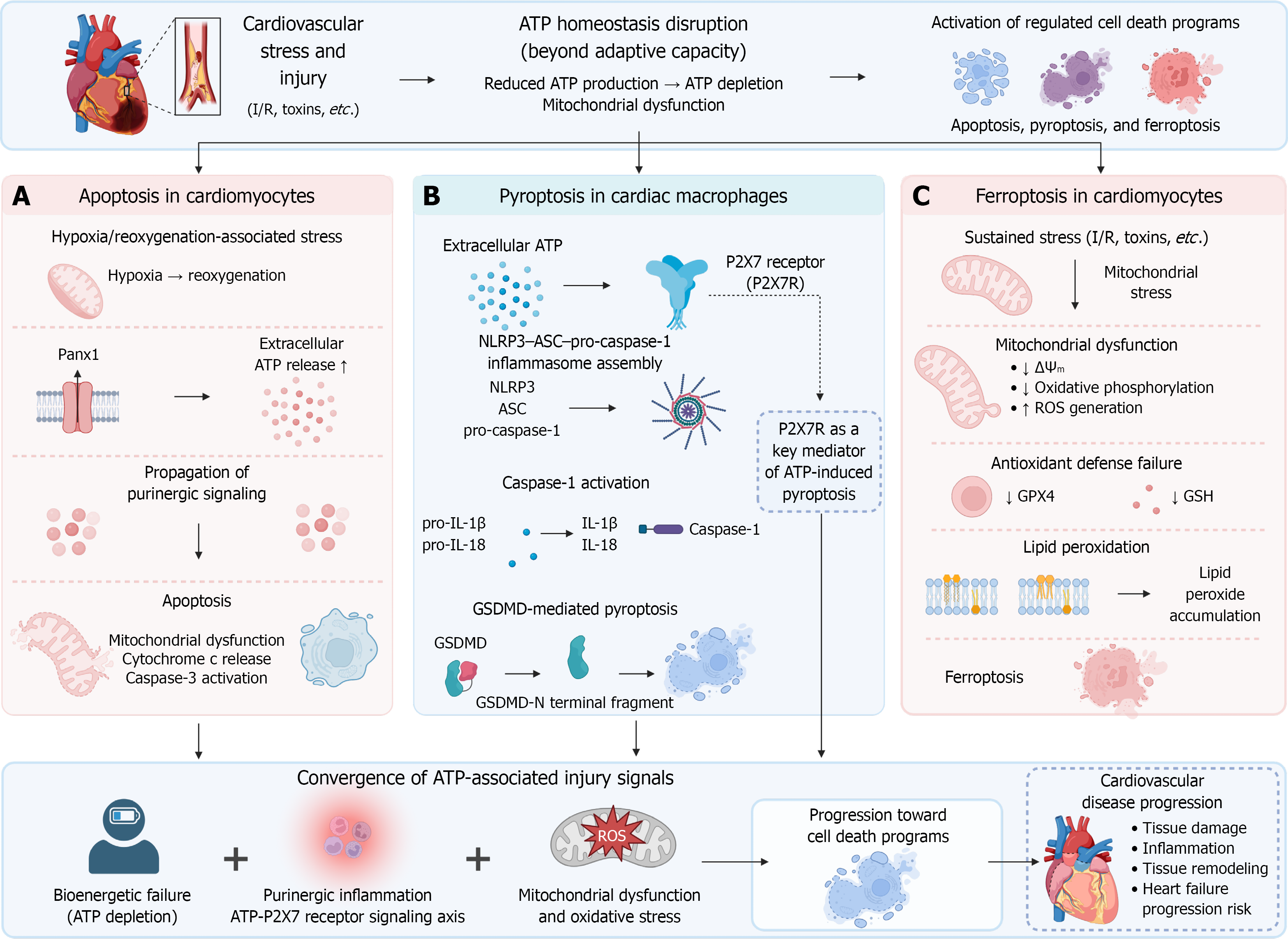
Figure 2 Adenosine triphosphate dysregulation and regulated cell-death pathways in cardiovascular injury.
Cardiovascular stress disrupts cellular energy metabolism, mitochondrial function, and extracellular adenosine triphosphate (ATP) signaling, potentially contributing to distinct regulated cell-death pathways. A: Apoptosis in cardiomyocytes: Hypoxia/reoxygenation-associated stress promotes pannexin 1 (Panx1)-mediated extracellular ATP release and purinergic signaling, accompanied by mitochondrial dysfunction, cytochrome c release, and caspase-3 activation, which are associated with cardiomyocyte apoptosis. B: Pyroptosis in cardiac macrophages: Extracellular ATP activates the P2X7 receptor (P2X7R), promoting NLRP3 inflammasome assembly, caspase-1 activation, maturation of interleukin-1β (IL-1β) and interleukin-18 (IL-18), and gasdermin D (GSDMD)-mediated pyroptosis. C: Ferroptosis in cardiomyocytes: Sustained oxidative stress and mitochondrial dysfunction are associated with impaired antioxidant defenses, including reduced glutathione peroxidase 4 (GPX4) activity and glutathione (GSH) availability, leading to lipid peroxidation and ferroptotic cell death. Together, these pathways illustrate the potential convergence of bioenergetic impairment, purinergic inflammation, and mitochondrial oxidative stress in cardiovascular injury and pathological remodeling. These pathways are presented as distinct, context-dependent mechanisms rather than consecutive stages of a single ATP-driven process. ASC: Apoptosis-associated speck-like protein containing a caspase recruitment domain; ATP: Adenosine triphosphate; GPX4: Glutathione peroxidase 4; GSDMD: Gasdermin D; GSH: Glutathione; I/R: Ischemia/reperfusion; IL-1β: Interleukin-1 beta; IL-18: Interleukin-18; NLRP3: NOD-like receptor family pyrin domain-containing 3; Panx1: Pannexin 1; P2X7R: Purinergic receptor P2X7; ROS: Reactive oxygen species; ΔΨm: Mitochondrial membrane potential.
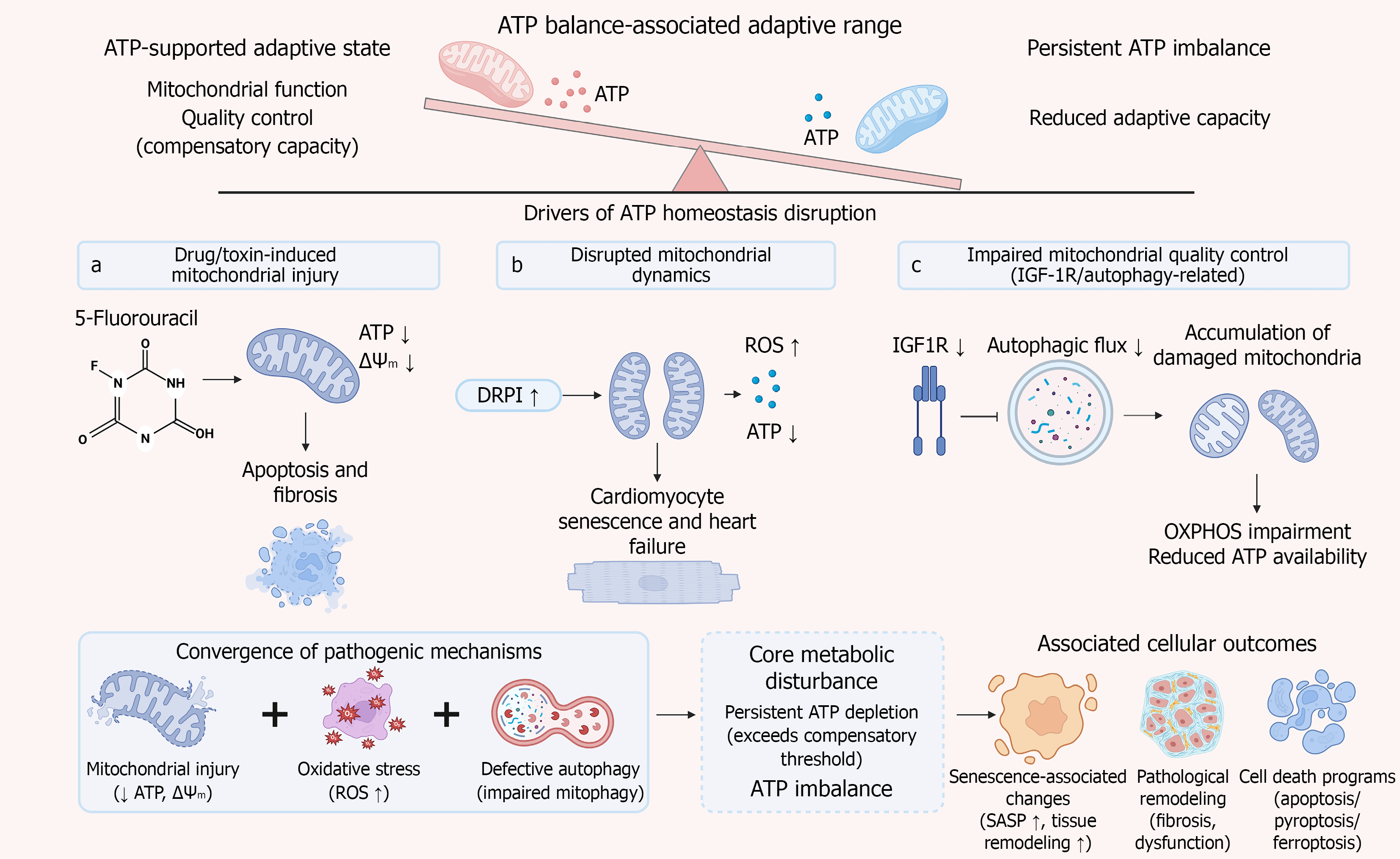
Figure 3 A conceptual framework linking adenosine triphosphate homeostasis disruption to cardiovascular cell-fate transitions and pathological remodeling.
The potential importance of adenosine triphosphate (ATP) homeostasis is proposed as an integrative metabolic framework influencing the cell-fate trajectories in cardiovascular cells. Under physiological conditions, adequate ATP availability supports mitochondrial function, organelle quality control and cellular compensatory capacity. Different pathological insults, including drug/toxin treatment, mitochondrial dynamics imbalance, and autophagy dysfunction, may be associated with ATP homeostasis disruption together with mitochondrial damage, oxidative stress, and impaired organelle clearance. Persistent ATP dysregulation accompanying failure of metabolic adaptation is proposed to be associated with persistent senescence-associated phenotypes, maladaptive remodeling, and regulated cell-death programs. In this framework, ATP homeostasis is positioned as an integrative metabolic framework that links metabolic derangements with cardiovascular remodeling across disease progression. ATP: Adenosine triphosphate; DRP1: Dynamin-related protein 1; IGF1R: Insulin-like growth factor 1 receptor; OXPHOS: Oxidative phosphorylation; ROS: Reactive oxygen species; SASP: Senescence-associated secretory phenotype; ΔΨm: Mitochondrial membrane potential.
- Citation: Zhao R, Zhang JJ, Mohd Shahpudin SN, Harun MSR, Zhang HL, Doblin S. Adenosine triphosphate homeostasis in cardiovascular cell-fate transitions: Adenosine triphosphate-induced cellular senescence and adenosine triphosphate-induced cell death. World J Transl Med 2026; 12(4): 125988
- URL: https://www.wjgnet.com/2220-6132/full/v12/i4/125988.htm
- DOI: https://dx.doi.org/10.5528/wjtm.125988