
















Copyright: ©Author(s) 2026.
World J Transl Med. Sep 28, 2026; 12(3): 122740
Published online Sep 28, 2026. doi: 10.5528/wjtm.122740
Published online Sep 28, 2026. doi: 10.5528/wjtm.122740
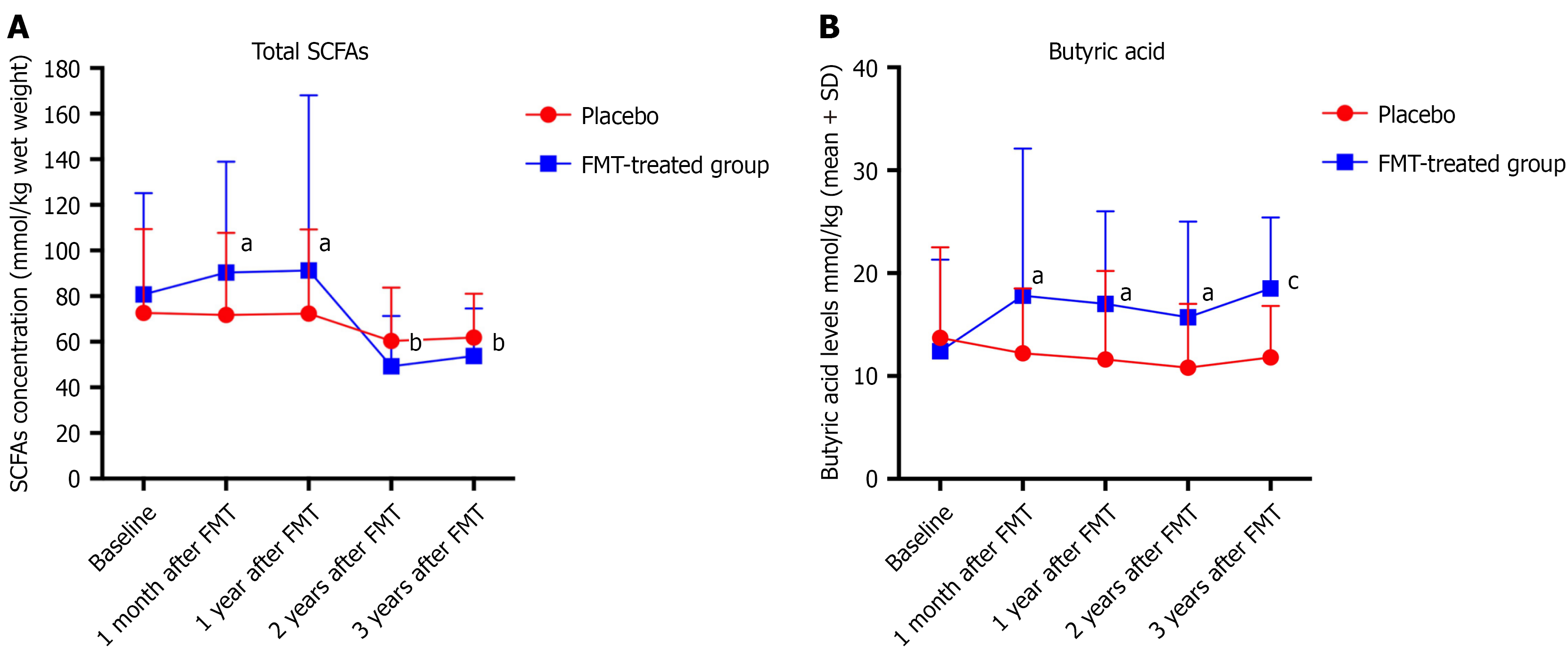
Figure 1 Post-fecal microbiota transplantation changes in irritable bowel syndrome patients receiving 60 g of donor feces.
A: Total fecal short chain fatty acids levels; B: Fecal butyric acid level. aP < 0.05, bP < 0.0001, cP < 0.01 vs the baseline values. Based on pooled data from El-Salhy et al[32-34]. The total fecal short chain fatty acids, acetic acid, propionic acid, and butyric acid levels in the cited references were analyzed using gas chromatography (Agilent 7890A, Agilent, CA, United States). SCFA: Short chain fatty acids; FMT: Fecal microbiota transplantation.
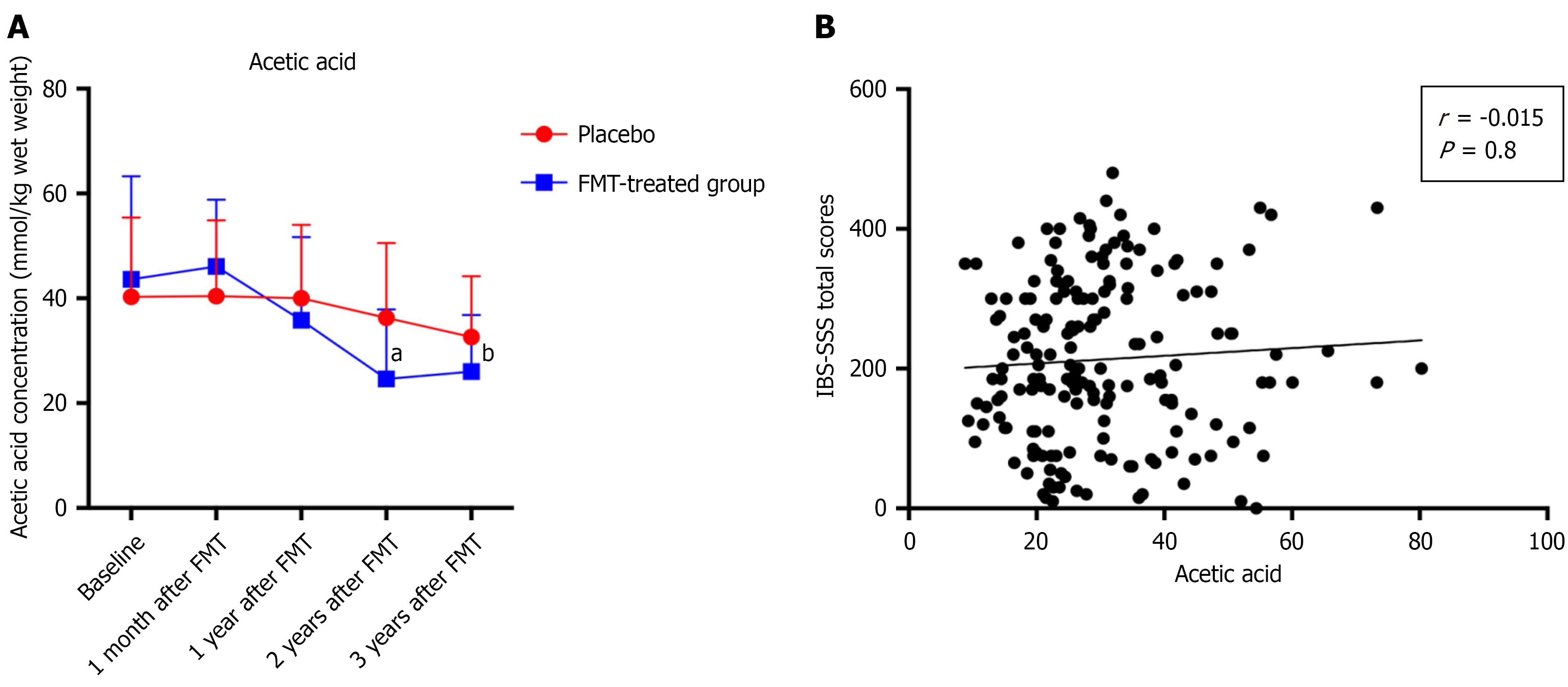
Figure 2 Fecal acetic acid content.
A: Fecal acetic acid level in irritable bowel syndrome patients who received 60 g of the donor’s feces; B: Correlation of the fecal acetic acid level with the irritable bowel syndrome-severity scoring system total score. aP < 0.05; bP < 0.01 compared with the baseline values. Based on pooled data from El-Salhy et al[32-34]. FMT: Fecal microbiota transplantation; IBS-SSS: Irritable bowel syndrome-severity scoring system.
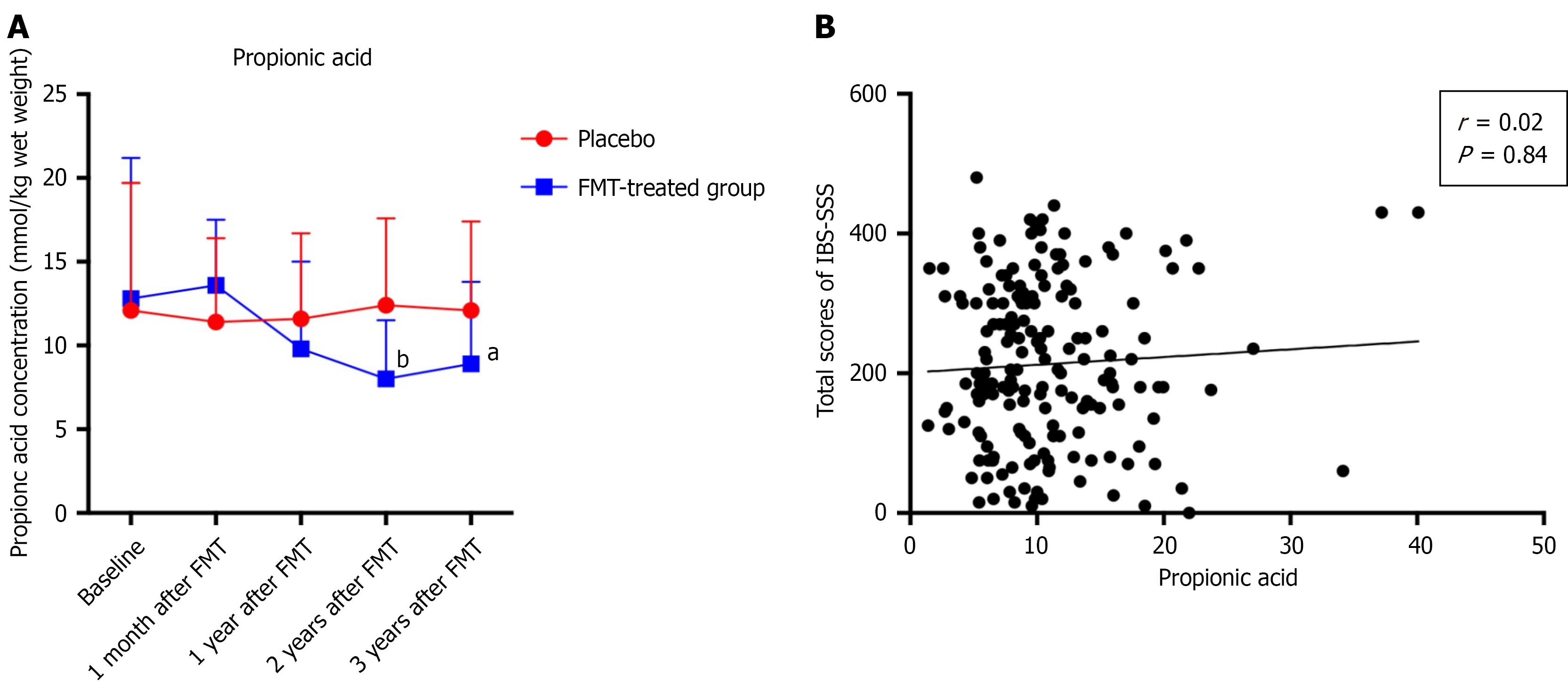
Figure 3 The content of propionic acid in feces.
A: Fecal propionic acid level in irritable bowel syndrome patients who received 60 g of the donor’s feces; B: Correlation of the irritable bowel syndrome severity scoring system total score with the fecal propionic acid level. aP < 0.05; bP < 0.01 compared with the baseline values. Based on data from El-Salhy et al[32-34]. FMT: Fecal microbiota transplantation; IBS-SSS: Irritable bowel syndrome-severity scoring system.
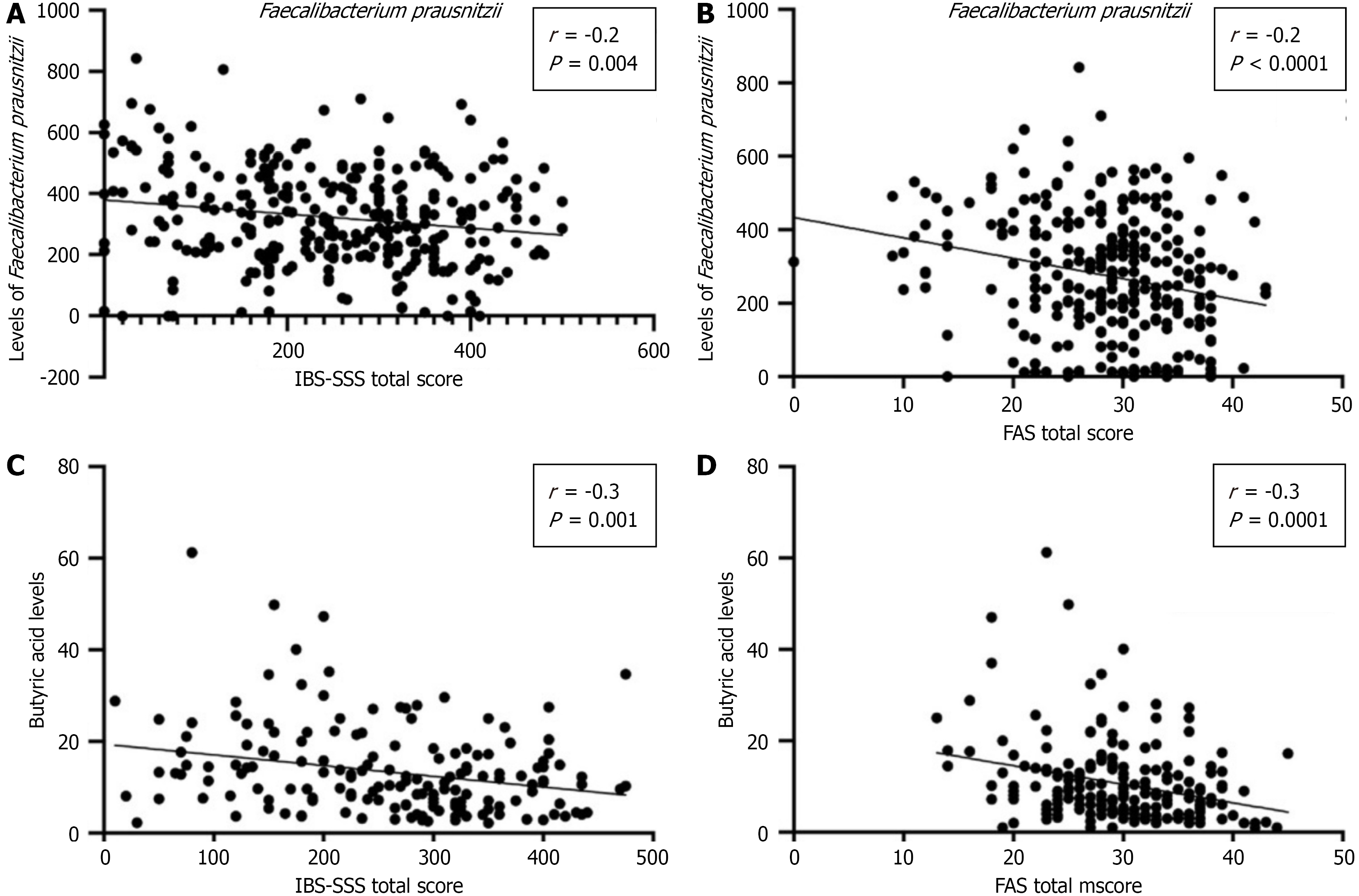
Figure 4 At 3 years after fecal microbiota transplantation[75].
A: Faecalibacterium prausnitzii level was inversely correlated with irritable bowel syndrome severity scoring system; B: Faecalibacterium prausnitzii was inversely correlated with Fatigue assessment scale total scores; ntation; C: Butyric acid levels were inversely correlated with irritable bowel syndrome severity scoring system; D: Butyric acid levels were inversely correlated with Fatigue assessment scale total scores. Citation: El-Salhy M. Intestinal bacteria associated with irritable bowel syndrome and chronic fatigue. Neurogastroenterol Motil 2023; 35: E14621. Copyright ©The Authors 2023. Published by John Wiley & Sons. The article is open access (Supplementary material). IBS-SSS: Irritable bowel syndrome severity scoring system; FAS: Fatigue assessment scale.
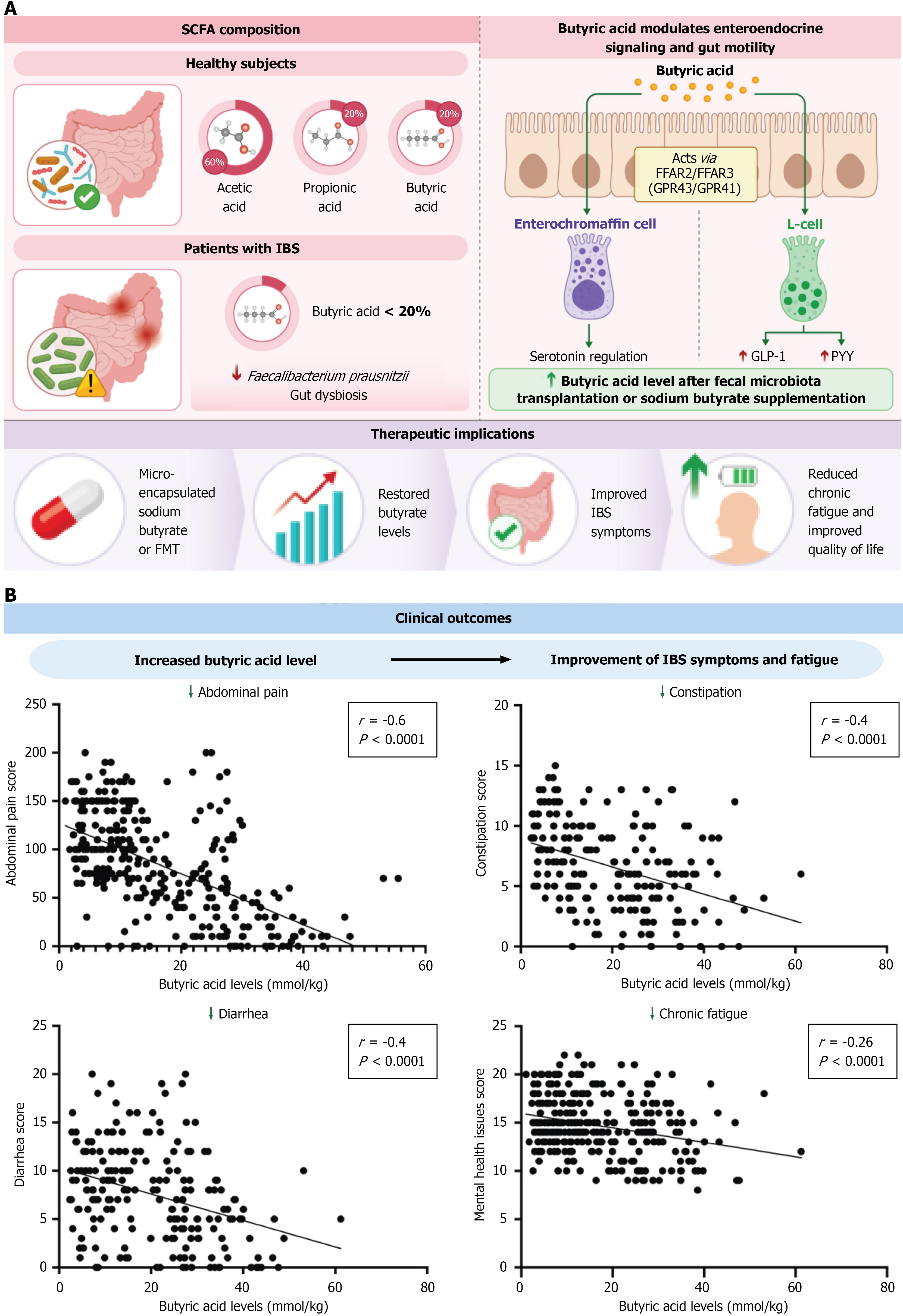
Figure 5 Summary of short chain fatty acids effects on irritable bowel syndrome symptoms and the associated fatigue, and their possible mechanisms of actions, as well as their potential therapeutic use for treating irritable bowel syndrome[34].
A: Mechanism of action; B: Clinical outcomes of treatment. Citation for B: El-Salhy M, Valeur J, Brønstad I, Gilja OH, Hatlebakk JG. Possible Role of Butyric Acid in Long-Term Symptom Relief in Irritable Bowel Syndrome Patients Following Fecal Microbiota Transplantation. Neurogastroenterol Motil 2025; 37: E70115. Copyright ©The Authors 2025. Published by John Wiley & Sons. The article is open access (Supplementary material). IBS: Irritable bowel syndrome; SCFA: Short chain fatty acids; FMT: Fecal microbiota transplantation.
- Citation: El-Salhy M, Shin CM, Kim YS, Hatlebakk JG. Possible roles of short-chain fatty acids in the pathophysiology and treatment of irritable bowel syndrome. World J Transl Med 2026; 12(3): 122740
- URL: https://www.wjgnet.com/2220-6132/full/v12/i3/122740.htm
- DOI: https://dx.doi.org/10.5528/wjtm.122740