
















Copyright: ©Author(s) 2026.
World J Transl Med. Nov 28, 2026; 12(4): 124606
Published online Nov 28, 2026. doi: 10.5528/wjtm.124606
Published online Nov 28, 2026. doi: 10.5528/wjtm.124606
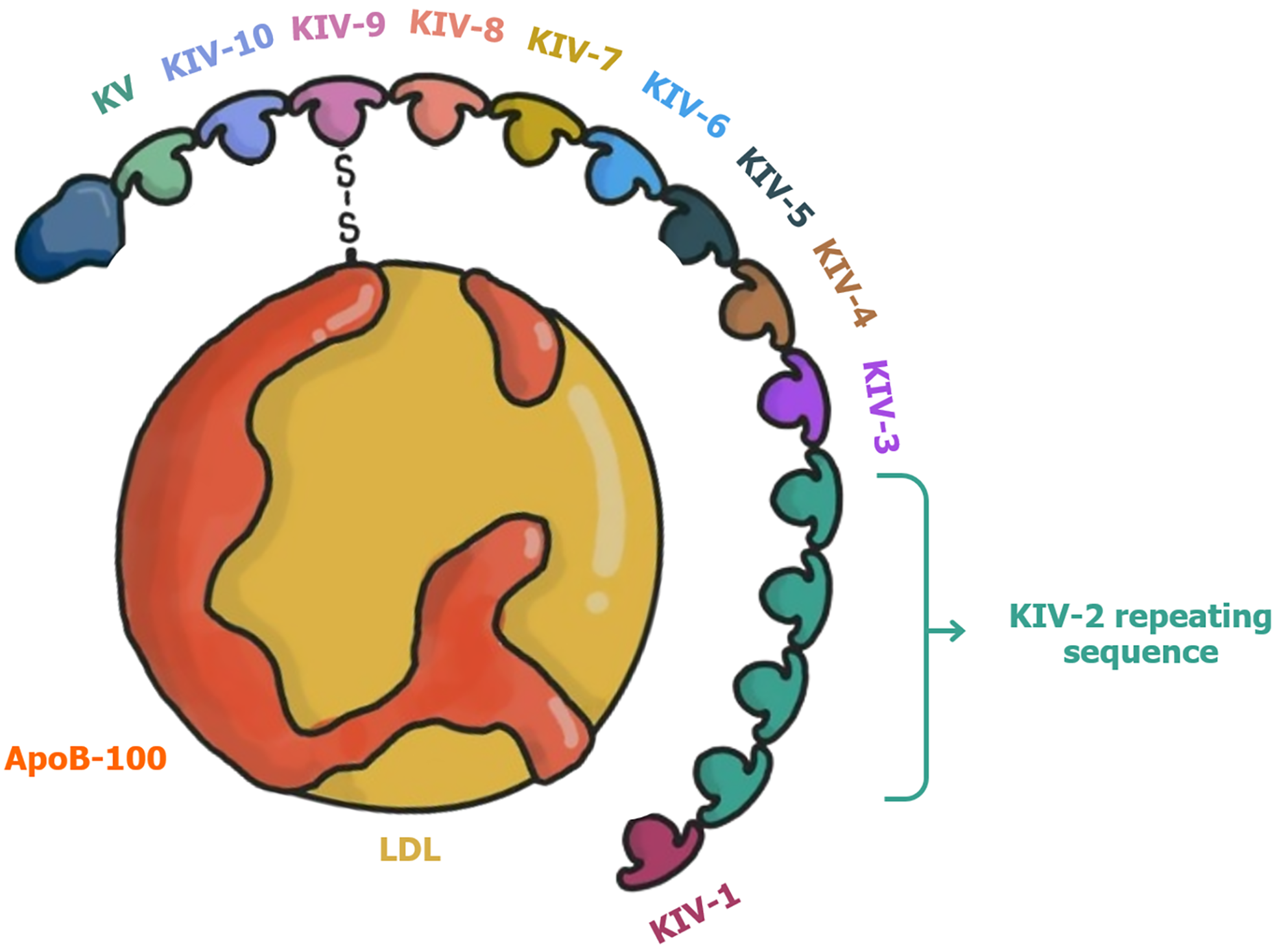
Figure 1 Schematic representation of the structural organization of lipoprotein(a).
LDL: Low-density lipoprotein; ApoB-100: Apolipoprotein B-100; KIV: Kringle IV.
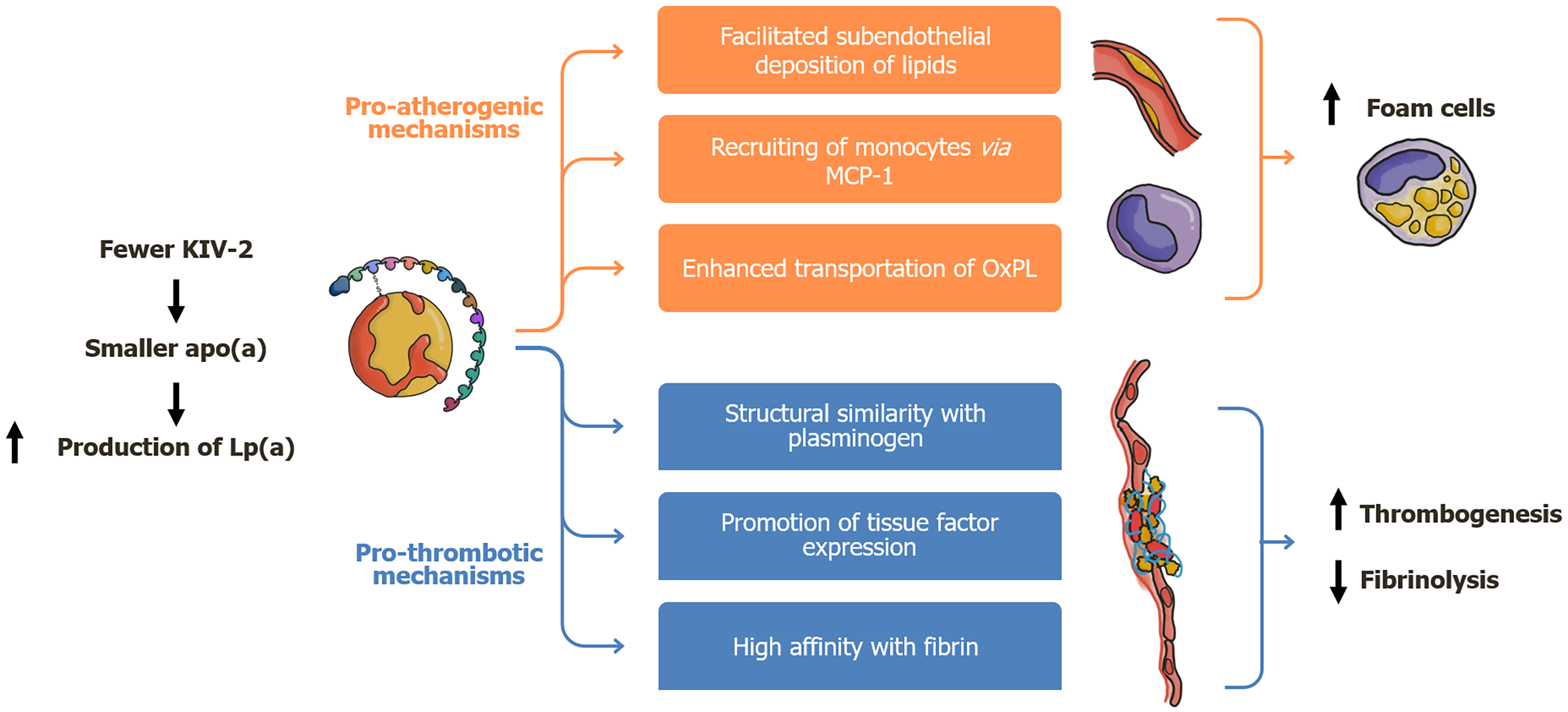
Figure 2 Schematic representation of the pro-atherogenic and pro-thrombotic mechanisms associated with elevated lipoprotein(a), highlighting the role of smaller apolipoprotein(a) isoforms with fewer kringle IV type 2 repeats in promoting atherosclerosis and th
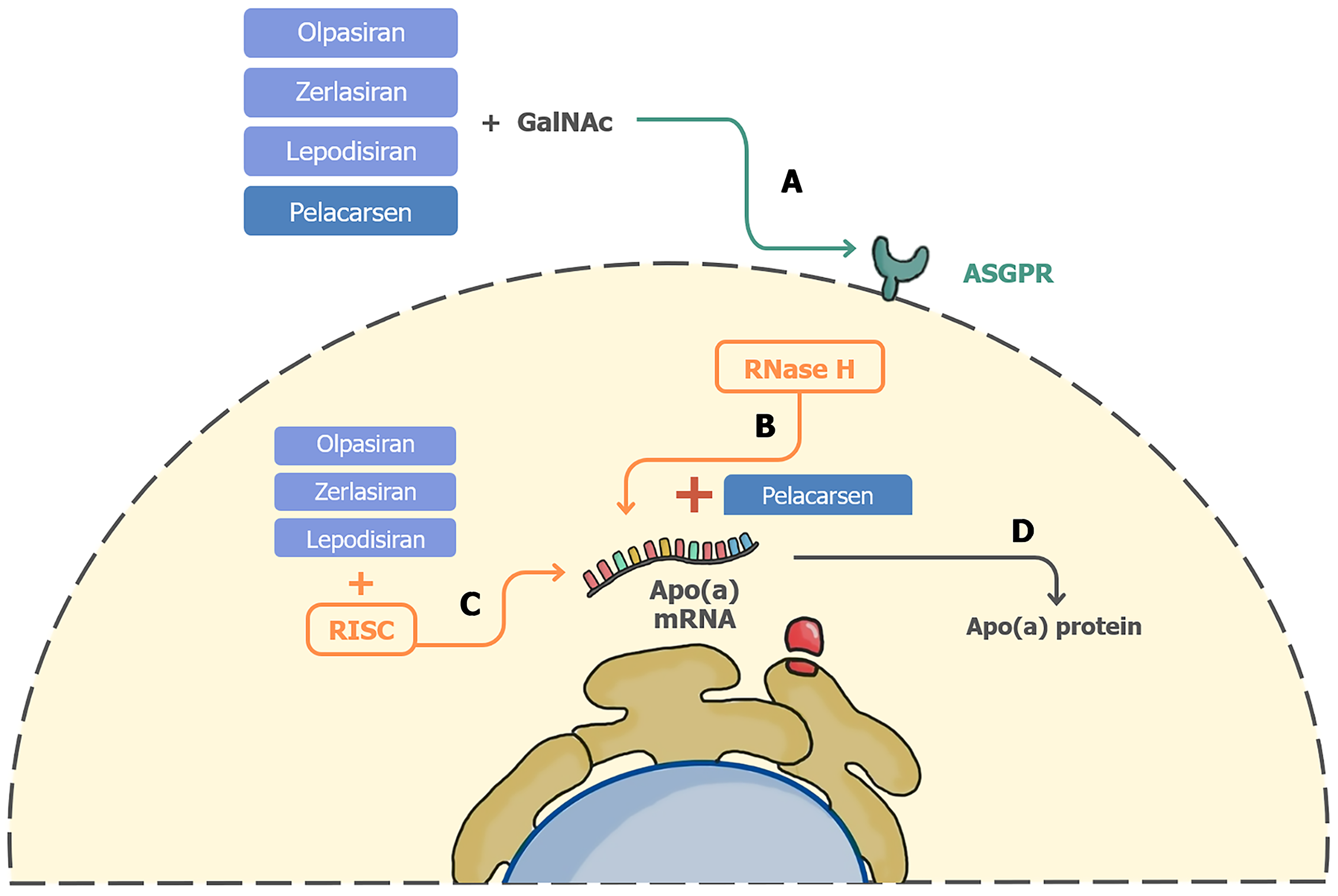
Figure 3 Schematic representation of the mechanisms of action of GalNAc-conjugated therapies targeting lipoprotein(a) gene expres
- Citation: Feliciano LD, Freire JPC, Lopes CF, Lima PHM, Costa JMC, de Melo FF. Lipoprotein(a) in clinical practice: From genetic risk assessment to therapeutic silencing. World J Transl Med 2026; 12(4): 124606
- URL: https://www.wjgnet.com/2220-6132/full/v12/i4/124606.htm
- DOI: https://dx.doi.org/10.5528/wjtm.124606