











Copyright: ©Author(s) 2026.
World J Clin Oncol. Sep 24, 2026; 17(9): 122901
Published online Sep 24, 2026. doi: 10.5306/wjco.122901
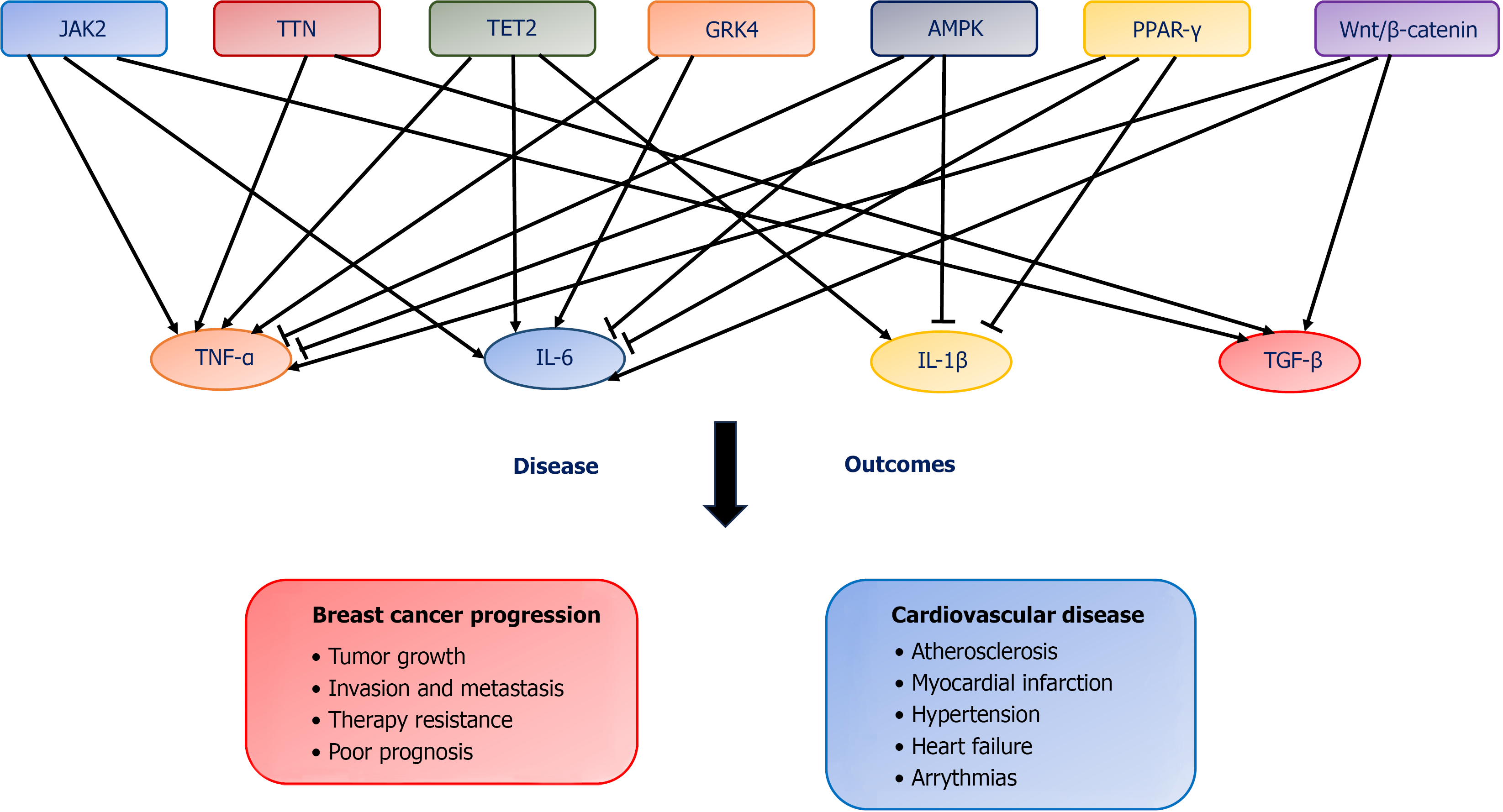
Figure 1 Effects of cardiovascular-oncogenic genes on the expression of associated cytokines in breast cancer and cardiovascular di sorders.
The figure illustrates the regulatory network linking cardiovascular-oncogenic genes (Janus kinase 2, titin, Tet methylcytosine dioxygenase 2, G protein-coupled receptor kinase 4, AMP-activated protein kinase, peroxisome proliferator-activated receptor gamma, and wingless-related integration site/β-catenin) with key inflammatory and pro-fibrotic cytokines [tumor necrosis factor-α, interleukin-6 (IL-6), IL-1β, and transforming growth factor-β]. Solid arrows indicate positive regulatory interactions or activation, whereas blunt-ended lines indicate inhibitory interactions. Elevated expression of tumor necrosis factor-α, IL-6, and IL-1β contributes to a pro-inflammatory tumor microenvironment and vascular dysfunction, while transforming growth factor-β promotes epithelial-mesenchymal transition, tissue fibrosis, immune suppression, and extracellular matrix deposition. Collectively, these molecular interactions drive adverse disease outcomes, including breast cancer progression (tumor growth, invasion and metastasis, therapy resistance, and poor prognosis) and cardiovascular disease (atherosclerosis, myocardial infarction, hypertension, heart failure, and arrhythmias). JAK2: Janus kinase 2; TTN: Titin; TET2: Tet methylcytosine dioxygenase 2; GRK4: G protein-coupled receptor kinase 4; AMPK: AMP-activated protein kinase; PPAR-γ: Peroxisome proliferator-activated receptor gamma; Wnt: Wingless-related integration site; TNF-α: Tumor necrosis factor alpha; IL-6: Interleukin-6; IL-1β: Interleukin-1β; TGF-β: Transforming growth factor-β.
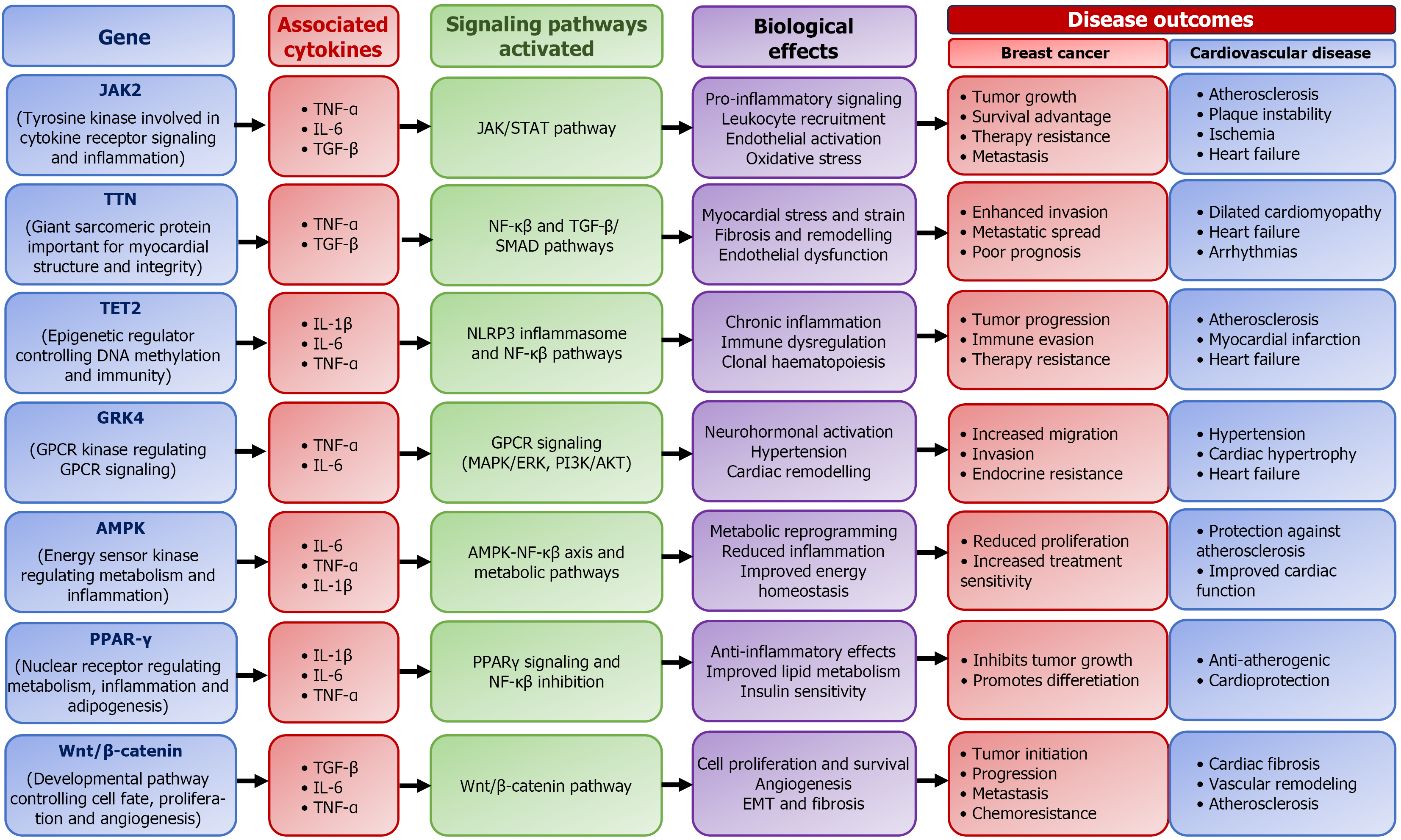
Figure 2 Integrated gene-cytokine-signaling networks linking breast cancer and cardiovascular disease.
The figure illustrates the proposed biological relationships among Janus kinase 2, titin, Tet methylcytosine dioxygenase 2, G protein-coupled receptor kinase 4, AMP-activated protein kinase, peroxisome proliferator-activated receptor gamma, and wingless-related integration site/β-catenin, as well as their associated cytokine networks, intracellular signaling pathways, biological effects, and disease outcomes. Janus kinase 2 is linked to cytokine-mediated Janus kinase/signal transducer and activator of transcription signaling; titin to structural integrity and nuclear factor kappa B/transforming growth factor-β-small worm phenotype mothers against decapentaplegic-associated remodeling; Tet methylcytosine dioxygenase 2 to epigenetic regulation and inflammatory responses involving the NOD-, LRR- and pyrin domain-containing protein 3 inflammasome and nuclear factor kappa B; G protein-coupled receptor kinase 4 to G protein-coupled receptor-dependent mitogen-activated protein kinase/extracellular signal-regulated kinase and phosphoinositide 3-kinase/protein kinase B signaling; AMP-activated protein kinase to energy sensing and metabolic regulation; peroxisome proliferator-activated receptor gamma to lipid metabolism and anti-inflammatory signaling; and wingless-related integration site/β-catenin to cell proliferation, survival, angiogenesis, epithelial-mesenchymal transition, and fibrosis. JAK2: Janus kinase 2; TTN: Titin; TET2: Tet methylcytosine dioxygenase 2; GRK4: G protein-coupled receptor kinase 4; GPCR: G protein-coupled receptor; AMPK: AMP-activated protein kinase; PPAR-γ: Peroxisome pro liferator-activated receptor gamma; Wnt: Wingless-related integration site; TNF-α: Tumor necrosis factor alpha; IL-6: Interleukin-6; IL-1β: Interleukin-1 beta; TGF-β: Transforming growth factor beta; JAK/STAT: JAK/signal transducer and activator of transcription; NF-κβ: Nuclear factor kappa B; SMAD: Small worm phenotype mothers against decapentaplegic; NLRP3: NOD-, LRR- and pyrin domain-containing protein 3; MAPK: Mitogen-activated protein kinase; ERK: Extracellular signal-regulated kinase; PI3K/AKT: Phosphoinositide 3-kinase/protein kinase B; EMT: Epithelial-mesenchymal transition.
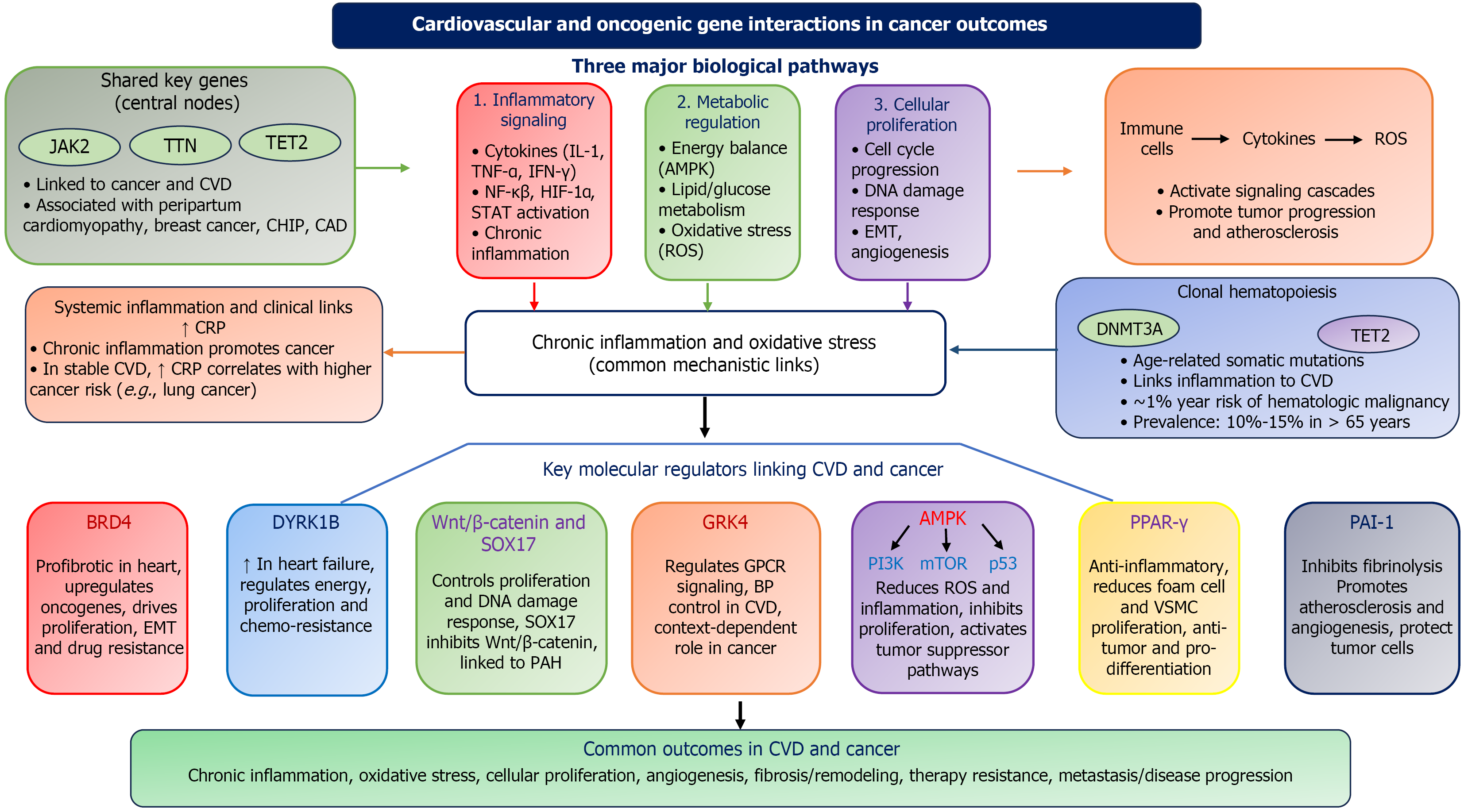
Figure 3 Schematic representation of integrated analysis of shared genes and molecular pathways in cardiovascular disease pro gression and breast cancer outcomes.
The figure summarizes the molecular pathways and key regulatory genes that contribute to the bidirectional relationship between cardiovascular disease (CVD) and cancer. Central shared genes, including Janus kinase 2, titin, and Tet methylcytosine dioxygenase 2, are associated with both cardiovascular and oncogenic processes and serve as critical nodes linking disease pathogenesis. These genes influence three major biological pathways: (1) Inflammatory signaling, involving cytokines (interleukin-1, tumor necrosis factor-α, interferon-γ), nuclear factor kappa B, hypoxia-inducible factor-1α, and signal transducer and activator of transcription activation; (2) Metabolic regulation, encompassing AMP-activated protein kinase-mediated energy homeostasis, lipid and glucose metabolism, and oxidative stress responses; and (3) Cellular proliferation and survival, including cell-cycle progression, DNA damage responses, epithelial-mesenchymal transition, and angiogenesis. These pathways converge to promote chronic inflammation and oxidative stress, representing common mechanistic links between CVD and cancer. Key molecular regulators linking CVD and cancer include bromodomain-containing protein 4, dual-specificity tyrosine-phosphorylation-regulated kinase 1B, wingless-related integration site/β-catenin-SRY-Box transcription factor 17 signaling, G protein-coupled receptor kinase 4, AMP-activated protein kinase, peroxisome proliferator-activated receptor-γ, and plasminogen activator inhibitor-1, which collectively regulate cellular proliferation, metabolism, fibrosis, angiogenesis, vascular remodeling, and therapeutic resistance. The convergence of these pathways results in common pathological outcomes, including chronic inflammation, oxidative stress, uncontrolled cellular proliferation, angiogenesis, tissue fibrosis and remodeling, therapy resistance, and disease progression. JAK2: Janus kinase 2; TTN: Titin; TET2: Tet methylcytosine dioxygenase 2; CVD: Cardiovascular disease; CHIP: Clonal hematopoiesis of indeterminate potential; CAD: Coronary artery disease; IL-1: Interleukin-1; TNF-α: Tumor necrosis factor-alpha; IFN-γ: Interferon-gamma; NF-κB: Nuclear factor kappa B; HIF-1α: Hypoxia-inducible factor-1 alpha; STAT: Signal transducer and activator of transcription; AMPK: AMP-activated protein kinase; ROS: Reactive oxygen species; EMT: Epithelial-mesenchymal transition; CRP: C-reactive protein; DNMT3A: DNA methyltransferase 3A; BRD4: Bromodomain-containing protein 4; DYRK1B: Dual-specificity tyrosine-phosphorylation-regulated kinase 1B; Wnt: Wingless-related integration site; SOX17: SRY-Box transcription factor 17; PAH: Pulmonary arterial hypertension; GRK4: G protein-coupled receptor kinase 4; GPCR: G protein-coupled receptor; BP: Blood pressure; PI3K: Phosphoinositide 3-kinase; mTOR: Mechanistic target of rapamycin; p53: Tumor protein p53; PPAR-γ: Peroxisome proliferator-activated receptor gamma; VSMC: Vascular smooth muscle cell; PAI-1: Plasminogen activator inhibitor-1.
- Citation: Jain S, Bhardwaj S, Prasad A, Gholami SK, Kashyap N, Jain BP. Cardiovascular-oncogenic gene crosstalk in breast cancer: Survival, prognosis and therapeutic strategies. World J Clin Oncol 2026; 17(9): 122901
- URL: https://www.wjgnet.com/2218-4333/full/v17/i9/122901.htm
- DOI: https://dx.doi.org/10.5306/wjco.122901