
















Copyright: ©Author(s) 2026.
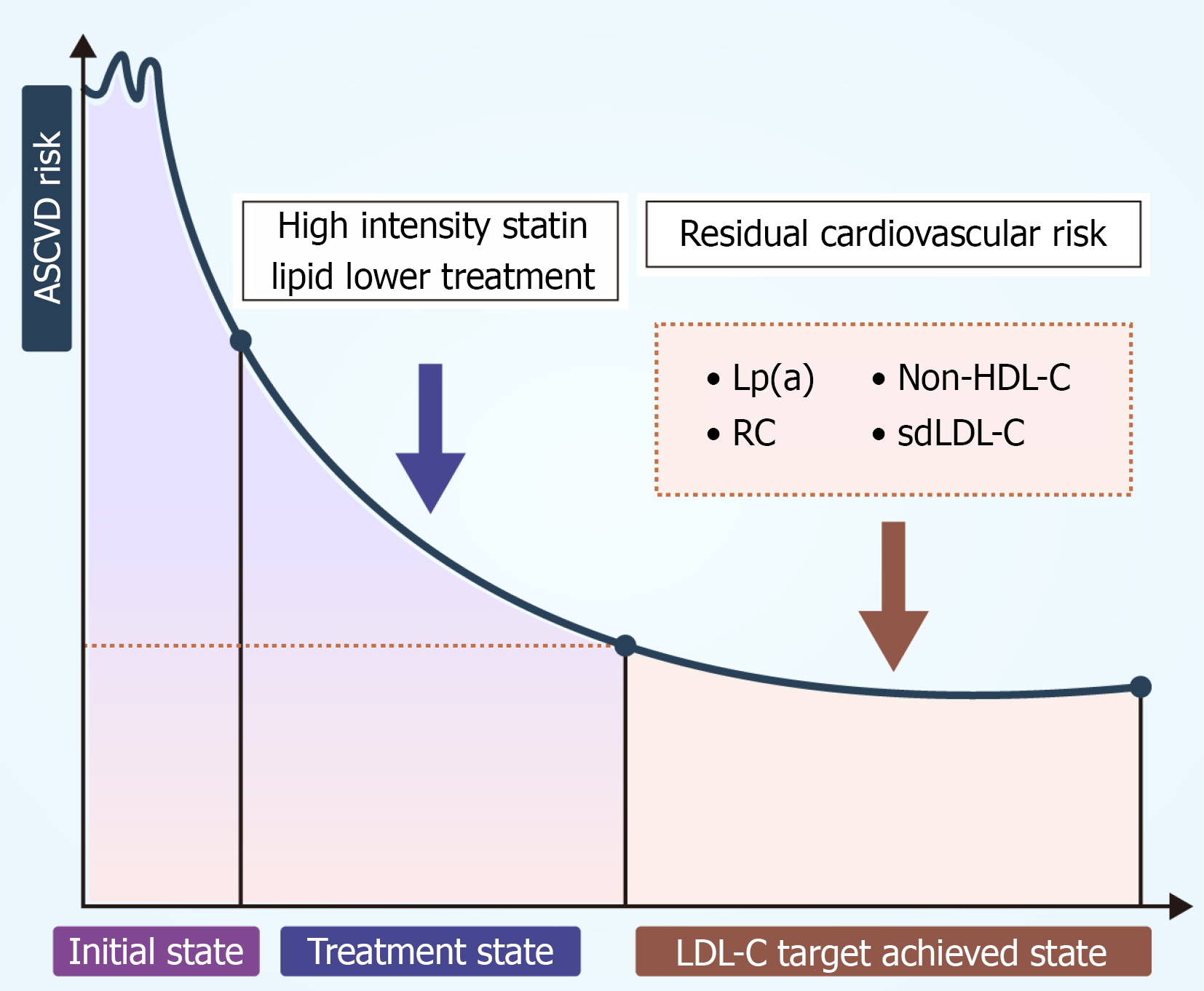
Figure 1 Diagram of the residual cardiovascular risk model.
Although high-intensity statin therapy can significantly reduce risk, a considerable residual cardiovascular risk persists even after achieving the target level of low-density lipoprotein cholesterol, potentially attributable to factors such as lipoprotein(a) and remnant cholesterol. Lp(a): Lipoprotein(a); RC: Remnant cholesterol; HDL-C: High-density lipoprotein cholesterol; sdLDL-C: Small dense low-density lipoprotein cholesterol; LDL-C: Low-density lipoprotein cholesterol; ASCVD: Atherosclerotic cardiovascular disease.
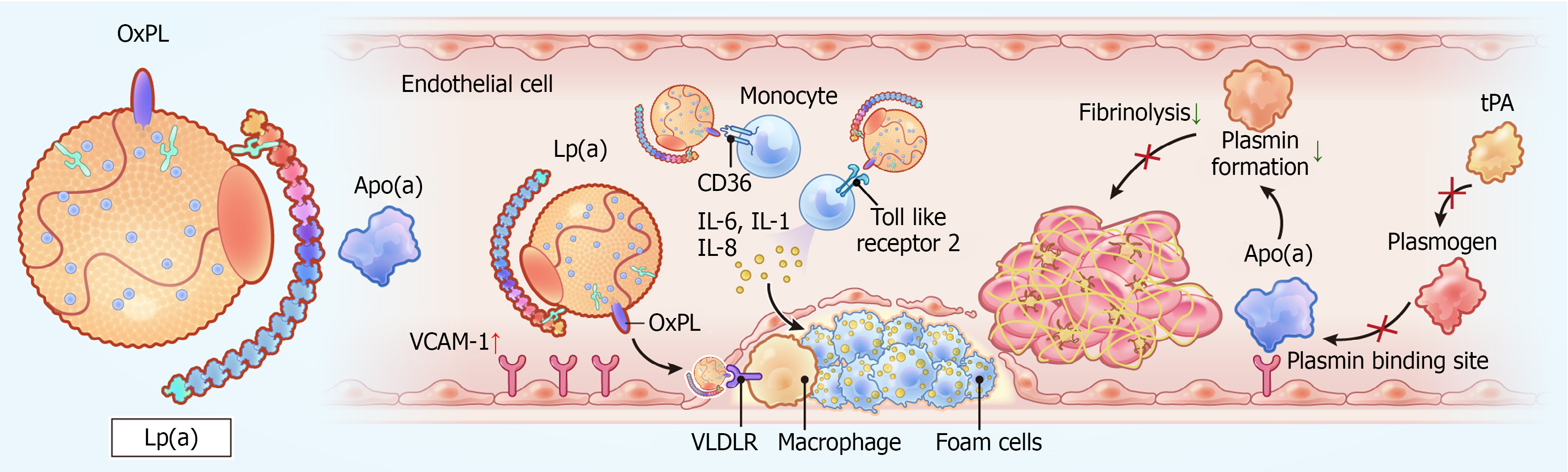
Figure 2 Pathogenic mechanism of lipoprotein(a).
Lipoprotein(a) induces an inflammatory response through oxidized phospholipids, facilitates the accumulation of pro-atherosclerotic cholesterol in the vascular wall, and exerts a prothrombotic effect by inhibiting plasminogen activation. These properties collectively accelerate the progression and destabilization of vascular plaques. OxPL: Oxidized phospholipids; Lp(a): Lipoprotein(a); Apo(a): Apolipoprotein(a); VCAM-1: Vascular cell adhesion molecule-1; IL: Interleukin; VLDLR: Very low-density lipoprotein receptor; tPA: Tissue plasminogen activator.
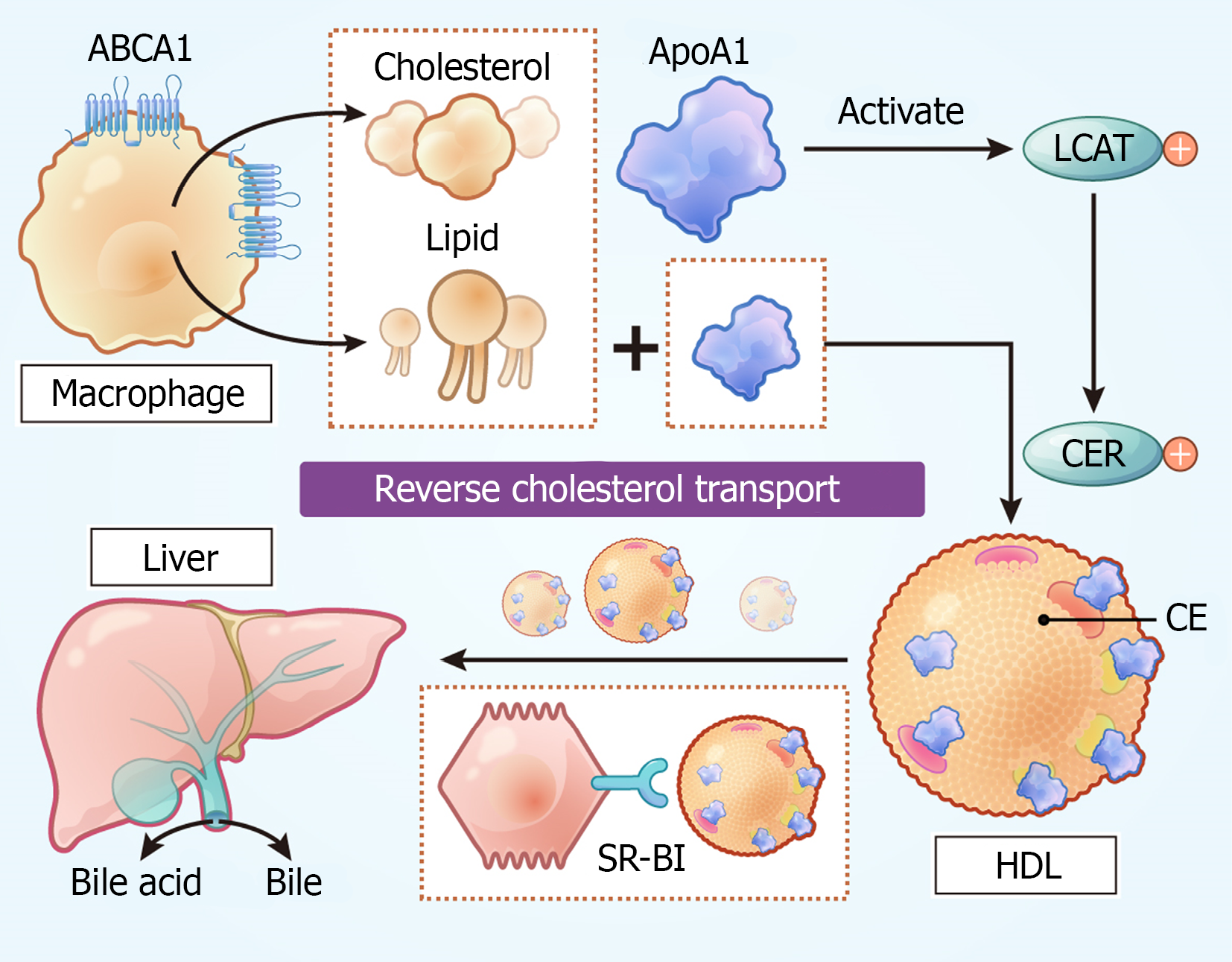
Figure 3 Reverse cholesterol transport mediated by apolipoprotein A1.
Cholesterol is expelled from macrophages via the ATP-binding cassette transporter A1 transporter protein and binds with apolipoprotein A1 to form nascent high-density lipoprotein. This high-density lipoprotein is subsequently matured by lecithin-cholesterol acyltransferase and ultimately taken up by the liver through scavenger receptor class B type I receptors, being excreted in the form of bile acids. ABCA1: ATP-binding cassette transporter A1; SR-BI: Scavenger receptor class B type I; ApoA1: Apolipoprotein A1; LCAT: Lecithin-cholesterol acyltransferase; CE: Cholesteryl ester; CER: Cholesteryl ester rich; HDL: High-density lipoprotein.
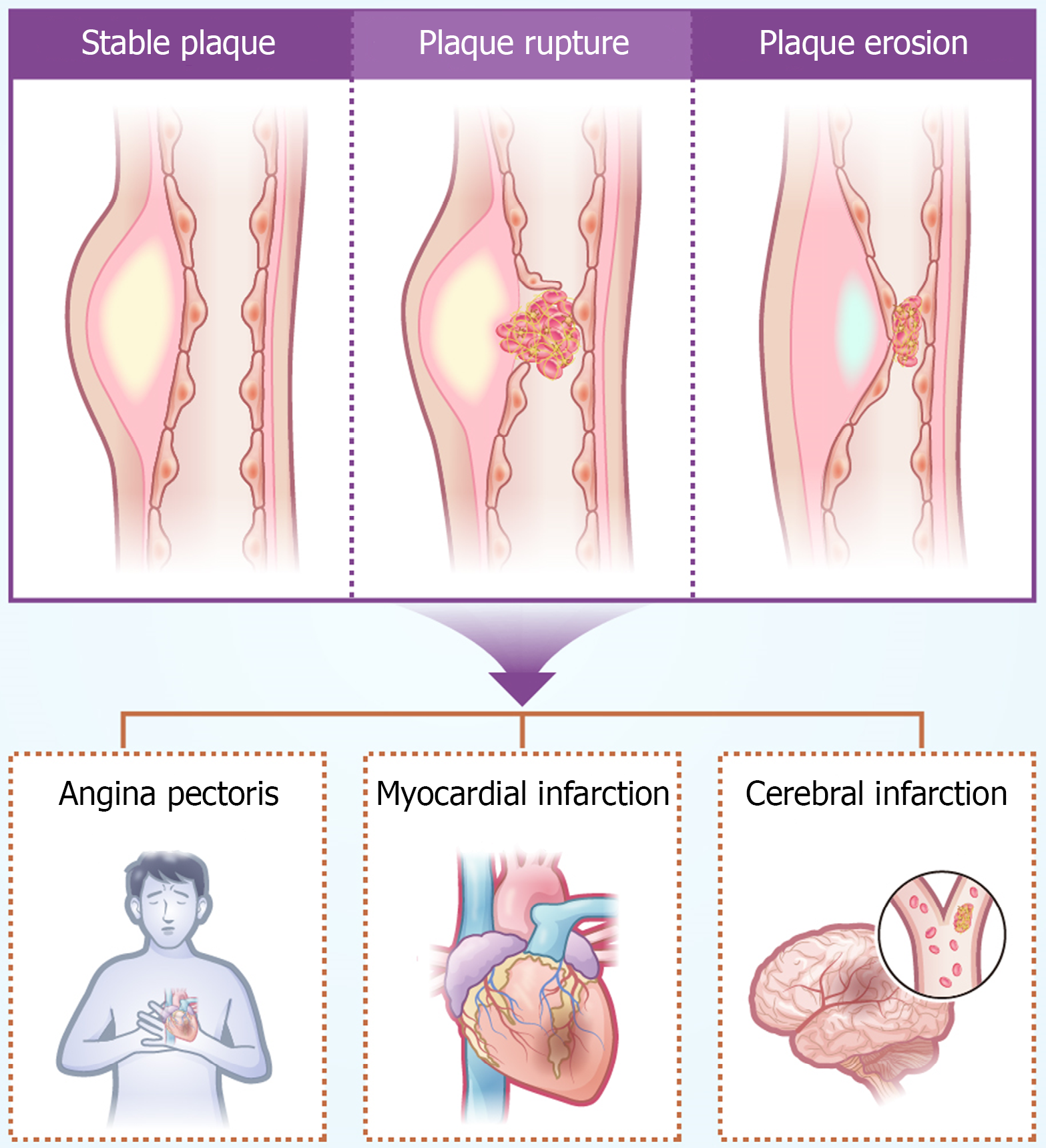
Figure 4 Pathological morphology of vulnerable plaques.
This figure depicts the pathological morphology of vulnerable plaques, featuring a large lipid core enveloped by a thin fibrous cap. This unstable structure is prone to rupture under the influence of blood flow shear stress, leading to thrombosis and subsequent acute cardiovascular events.
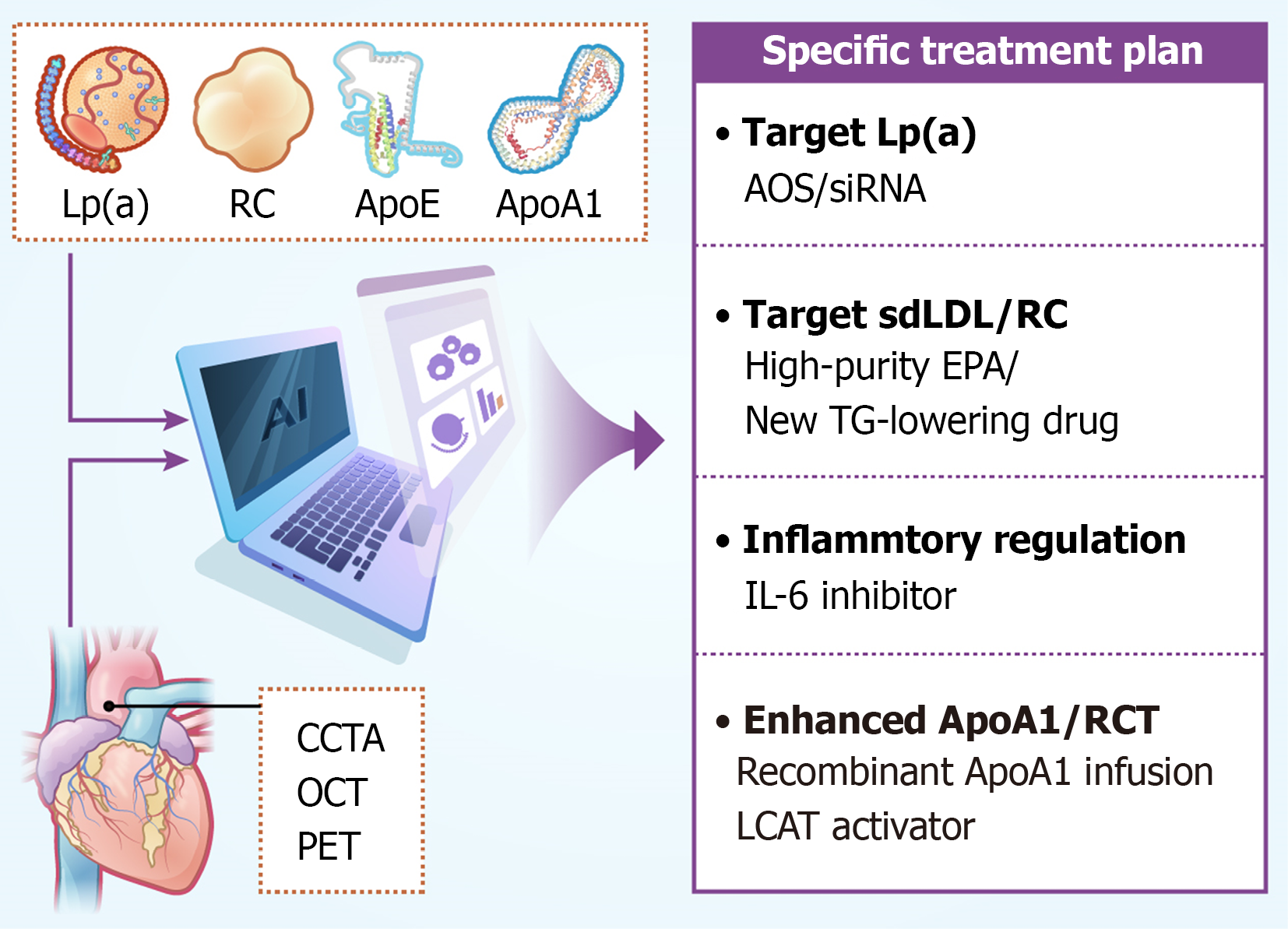
Figure 5 Future development directions for the application of non-traditional lipid parameters.
After analysis and processing by algorithms such as artificial intelligence, non-traditional lipid parameters and imaging data can be utilized to stratify patient risk and devise personalized treatment plans targeting these parameters. These advanced therapies can further mitigate residual cardiovascular risk by precisely modulating lipoprotein metabolism. Lp(a): Lipoprotein(a); RC: Remnant cholesterol; ApoE: Apolipoprotein E; ApoA1: Apolipoprotein A1; CCTA: Coronary computed tomography angiography; OCT: Optical coherence tomography; PET: Positron emission tomography; AOS: Antisense oligonucleotides; siRNA: Small interfering RNA; sdLDL: Small dense low-density lipoprotein; RC: Remnant cholesterol; EPA: Eicosapentaenoic acid; TG: Triglyceride; IL-6: Interleukin-6; RCT: Reverse cholesterol transport; LCAT: Lecithin-cholesterol acyltransferase.
- Citation: Lu ZY, Li YF, Bao L, Wang XT, Wu H, Xu YF, Wang Y, Chen Y. Assessing residual cardiovascular risk and vulnerable plaques via non-traditional lipids: From biomarkers to novel targets for precision therapy. World J Cardiol 2026; 18(8): 123626
- URL: https://www.wjgnet.com/1949-8462/full/v18/i8/123626.htm
- DOI: https://dx.doi.org/10.4330/wjc.123626