
















Copyright: ©Author(s) 2026.
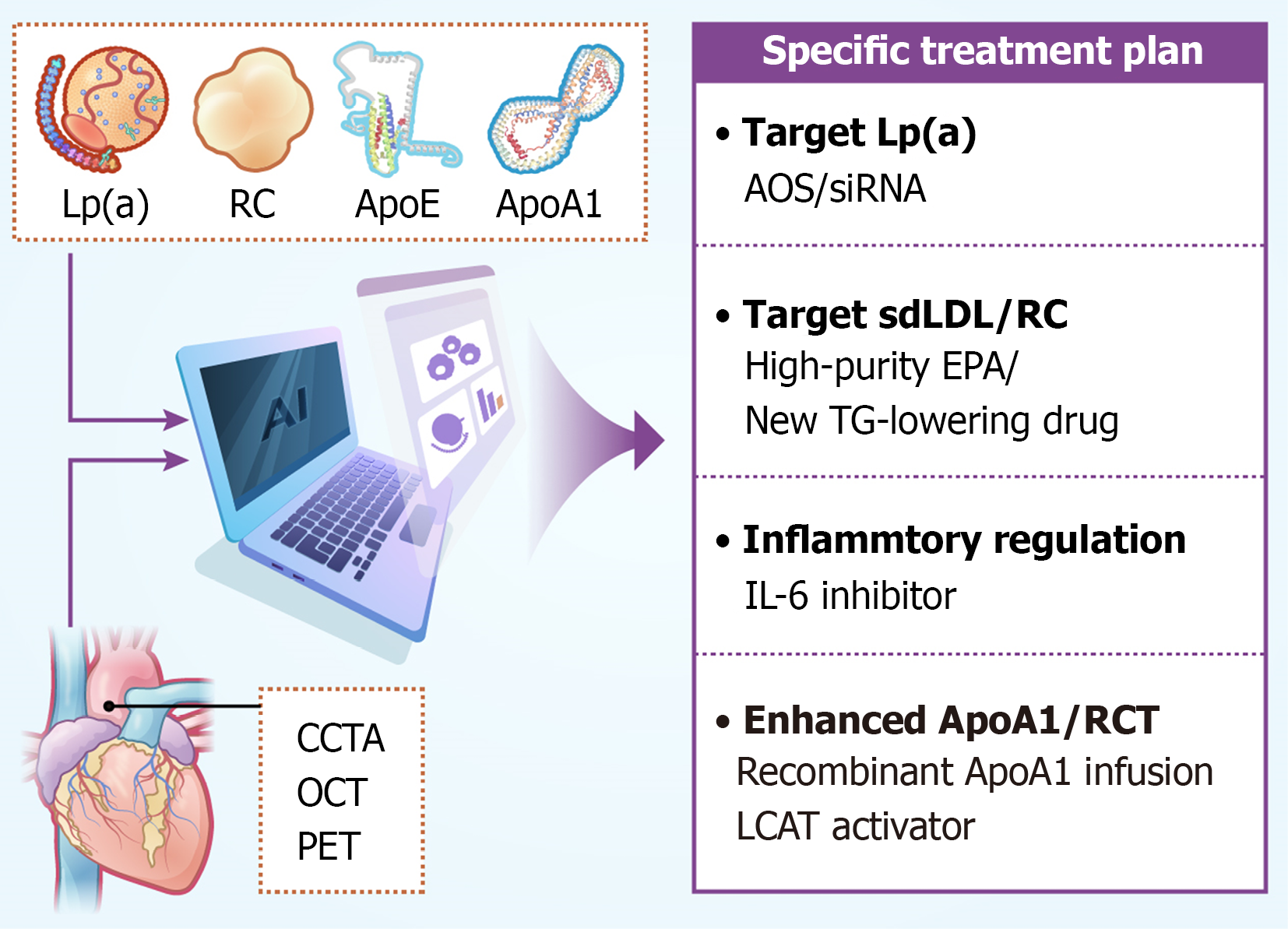
Figure 5 Future development directions for the application of non-traditional lipid parameters.
After analysis and processing by algorithms such as artificial intelligence, non-traditional lipid parameters and imaging data can be utilized to stratify patient risk and devise personalized treatment plans targeting these parameters. These advanced therapies can further mitigate residual cardiovascular risk by precisely modulating lipoprotein metabolism. Lp(a): Lipoprotein(a); RC: Remnant cholesterol; ApoE: Apolipoprotein E; ApoA1: Apolipoprotein A1; CCTA: Coronary computed tomography angiography; OCT: Optical coherence tomography; PET: Positron emission tomography; AOS: Antisense oligonucleotides; siRNA: Small interfering RNA; sdLDL: Small dense low-density lipoprotein; RC: Remnant cholesterol; EPA: Eicosapentaenoic acid; TG: Triglyceride; IL-6: Interleukin-6; RCT: Reverse cholesterol transport; LCAT: Lecithin-cholesterol acyltransferase.
- Citation: Lu ZY, Li YF, Bao L, Wang XT, Wu H, Xu YF, Wang Y, Chen Y. Assessing residual cardiovascular risk and vulnerable plaques via non-traditional lipids: From biomarkers to novel targets for precision therapy. World J Cardiol 2026; 18(8): 123626
- URL: https://www.wjgnet.com/1949-8462/full/v18/i8/123626.htm
- DOI: https://dx.doi.org/10.4330/wjc.123626