
















Copyright: ©Author(s) 2026.
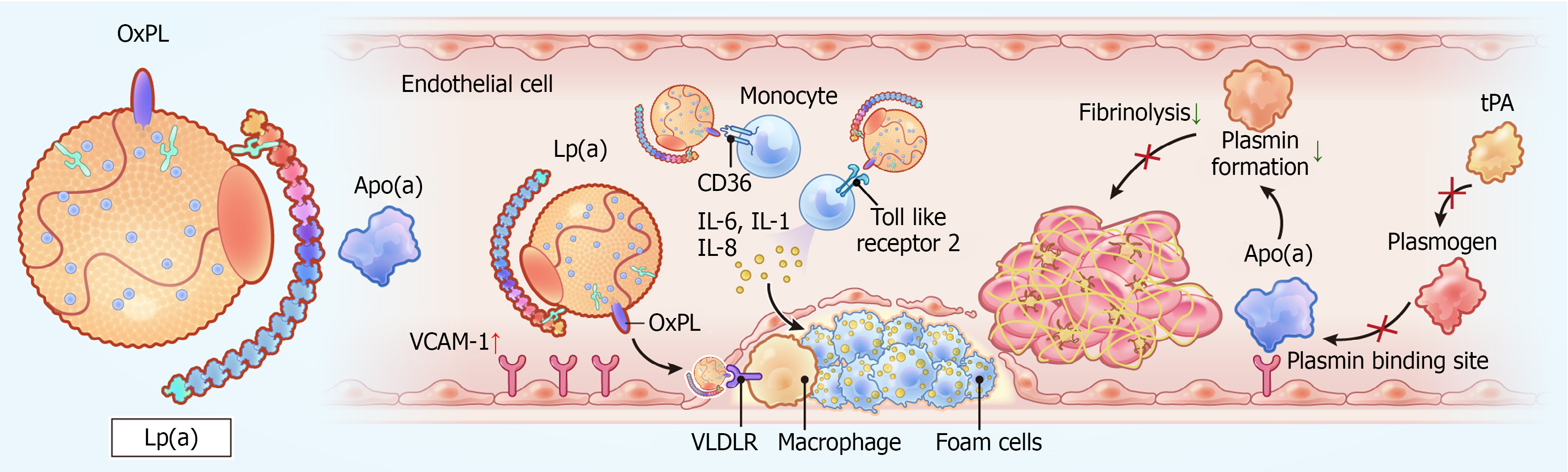
Figure 2 Pathogenic mechanism of lipoprotein(a).
Lipoprotein(a) induces an inflammatory response through oxidized phospholipids, facilitates the accumulation of pro-atherosclerotic cholesterol in the vascular wall, and exerts a prothrombotic effect by inhibiting plasminogen activation. These properties collectively accelerate the progression and destabilization of vascular plaques. OxPL: Oxidized phospholipids; Lp(a): Lipoprotein(a); Apo(a): Apolipoprotein(a); VCAM-1: Vascular cell adhesion molecule-1; IL: Interleukin; VLDLR: Very low-density lipoprotein receptor; tPA: Tissue plasminogen activator.
- Citation: Lu ZY, Li YF, Bao L, Wang XT, Wu H, Xu YF, Wang Y, Chen Y. Assessing residual cardiovascular risk and vulnerable plaques via non-traditional lipids: From biomarkers to novel targets for precision therapy. World J Cardiol 2026; 18(8): 123626
- URL: https://www.wjgnet.com/1949-8462/full/v18/i8/123626.htm
- DOI: https://dx.doi.org/10.4330/wjc.123626