
















Copyright: ©Author(s) 2026.
World J Gastrointest Oncol. Dec 15, 2026; 18(12): 125816
Published online Dec 15, 2026. doi: 10.4251/wjgo.125816
Published online Dec 15, 2026. doi: 10.4251/wjgo.125816
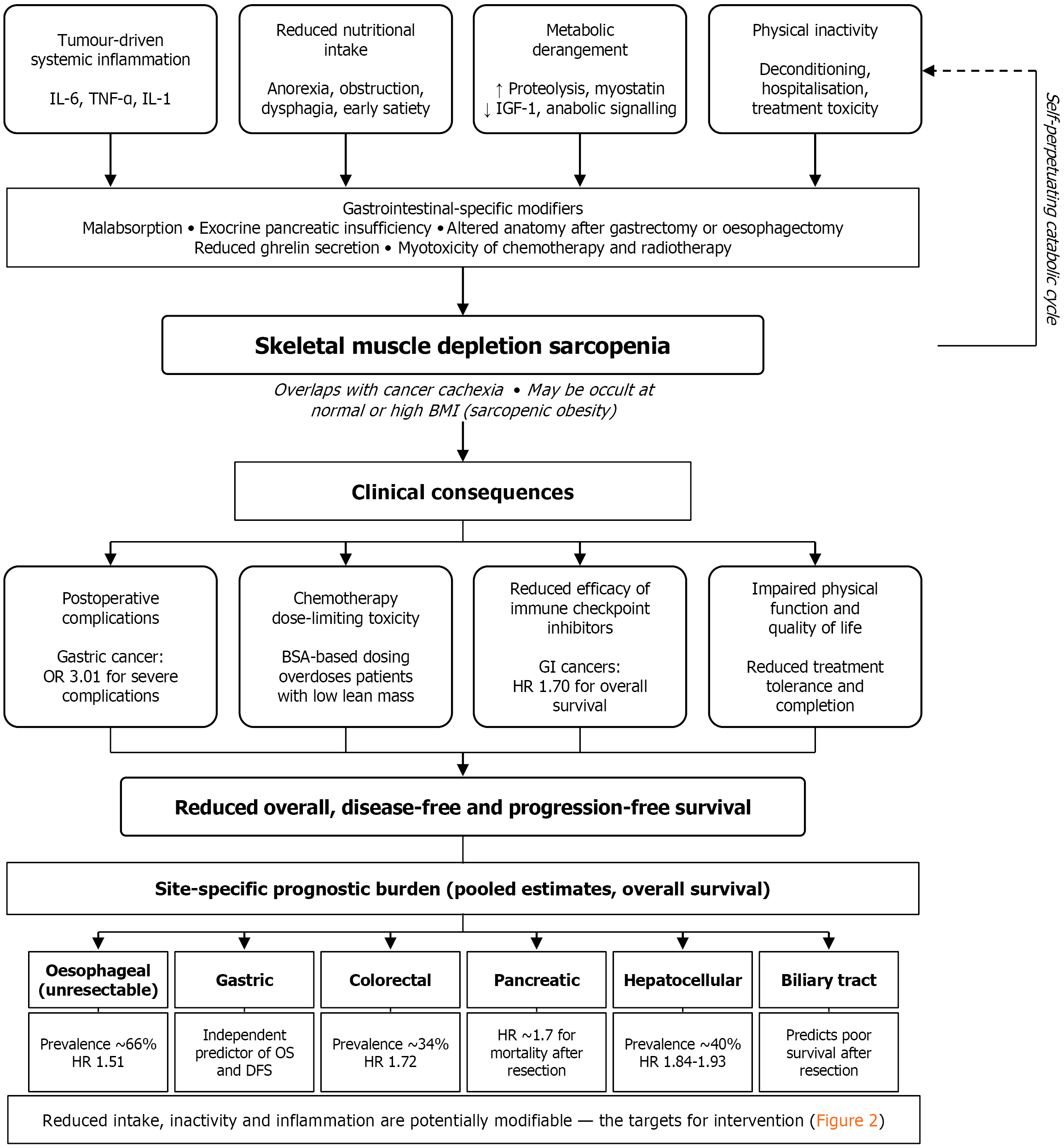
Figure 1 Conceptual framework of sarcopenia in gastrointestinal malignancies.
Tumor- and host-derived mechanisms converge on a negative protein and energy balance and net skeletal muscle catabolism. Tumor-derived and host-derived pro-inflammatory cytokines (interleukin-6, tumor necrosis factor-alpha, interleukin-1) activate the ubiquitin-proteasome and autophagy-lysosome pathways, while myostatin/activin signaling is increased and insulin-like growth factor-1 signaling is impaired. These systemic mechanisms are compounded in gastrointestinal malignancy by tumor- and treatment-specific barriers to intake and absorption (mechanical obstruction, dysphagia, early satiety, malabsorption, exocrine pancreatic insufficiency, altered anatomy and reduced ghrelin secretion after upper gastrointestinal resection) and by reduced physical activity, hospitalization and the myotoxic effects of chemotherapy and radiotherapy. Modifiable targets for multimodal intervention are highlighted. IGF-1: Insulin-like growth factor-1; IL-1: Interleukin-1; IL-6: Interleukin-6; TNF-α: Tumor necrosis factor-alpha; BMI: Body mass index; OR: Odds ratio; BSA: Bovine serum albumin; HR: Hazard ratio; GI: Gastrointestinal; OS: Overall survival; DFS: Disease-free survival.
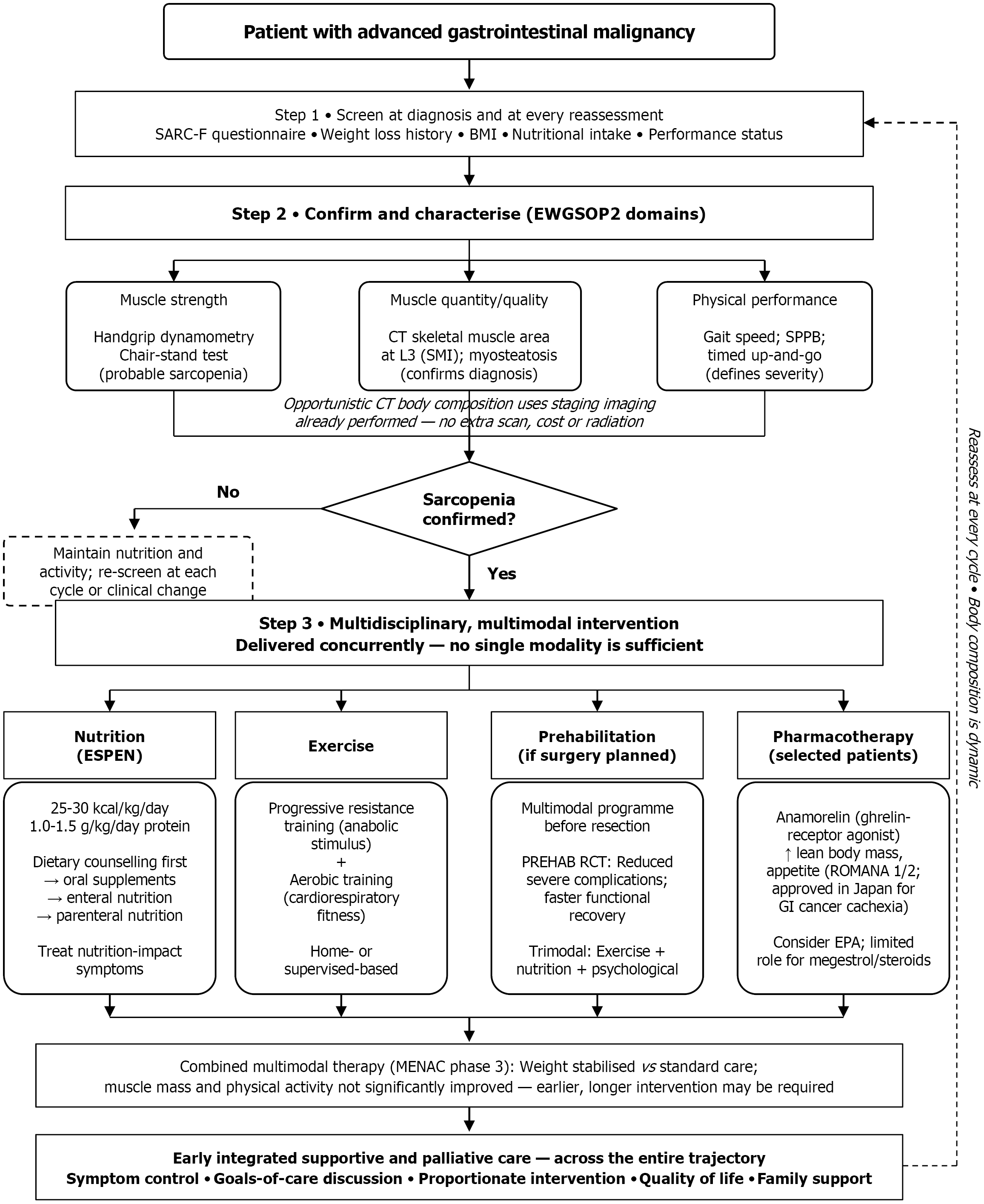
Figure 2 Multidisciplinary, multimodal management pathway for sarcopenia in gastrointestinal malignancies.
Proposed pathway linking muscle assessment to management decisions across the treatment trajectory. Case-finding (strength, assistance with walking, rising from a chair, climbing stairs and falls) and opportunistic assessment of skeletal muscle on routine staging computed tomography at the third lumbar vertebra feed into confirmation of low muscle mass, assessment of muscle strength by handgrip dynamometry or the chair-stand test, and grading of severity by physical performance. Management is delivered across four pillars: Individualized nutritional support; Structured resistance and aerobic exercise, including preoperative prehabilitation; Pharmacotherapy in selected patients; and supportive and palliative care. The balance between them is determined by the phase of the disease trajectory and the goals of care. SARC-F: Strength, assistance with walking, rising from a chair, climbing stairs and falls; BMI: Body mass index; EWGSOP2: European Working Group on Sarcopenia in Older People 2; CT: Computed tomography; SMI: Skeletal muscle index; SPPB: Short physical performance battery; ESPEN: European Society for Clinical Nutrition and Metabolism; GI: Gastrointestinal; RCT: Randomized controlled trial; L3: Third lumbar vertebra; EPA: Eicosapentaenoic acid.
- Citation: Venugopalan A, Sirohiya P. Sarcopenia in gastrointestinal malignancies: Assessment, prognostic significance, and multidisciplinary management. World J Gastrointest Oncol 2026; 18(12): 125816
- URL: https://www.wjgnet.com/1948-5204/full/v18/i12/125816.htm
- DOI: https://dx.doi.org/10.4251/wjgo.125816