
















Copyright: ©Author(s) 2026.
World J Gastrointest Oncol. Dec 15, 2026; 18(12): 125816
Published online Dec 15, 2026. doi: 10.4251/wjgo.125816
Published online Dec 15, 2026. doi: 10.4251/wjgo.125816
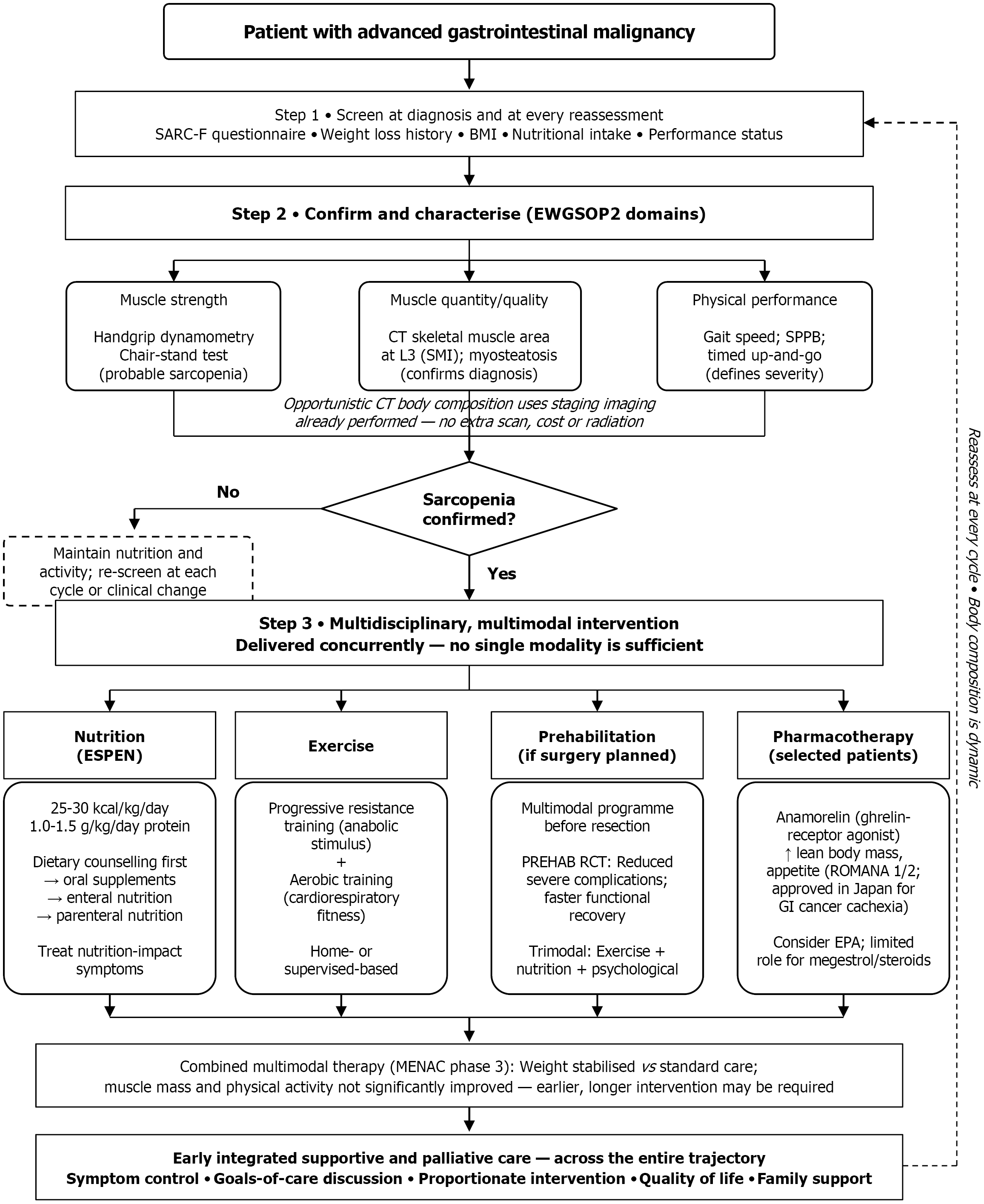
Figure 2 Multidisciplinary, multimodal management pathway for sarcopenia in gastrointestinal malignancies.
Proposed pathway linking muscle assessment to management decisions across the treatment trajectory. Case-finding (strength, assistance with walking, rising from a chair, climbing stairs and falls) and opportunistic assessment of skeletal muscle on routine staging computed tomography at the third lumbar vertebra feed into confirmation of low muscle mass, assessment of muscle strength by handgrip dynamometry or the chair-stand test, and grading of severity by physical performance. Management is delivered across four pillars: Individualized nutritional support; Structured resistance and aerobic exercise, including preoperative prehabilitation; Pharmacotherapy in selected patients; and supportive and palliative care. The balance between them is determined by the phase of the disease trajectory and the goals of care. SARC-F: Strength, assistance with walking, rising from a chair, climbing stairs and falls; BMI: Body mass index; EWGSOP2: European Working Group on Sarcopenia in Older People 2; CT: Computed tomography; SMI: Skeletal muscle index; SPPB: Short physical performance battery; ESPEN: European Society for Clinical Nutrition and Metabolism; GI: Gastrointestinal; RCT: Randomized controlled trial; L3: Third lumbar vertebra; EPA: Eicosapentaenoic acid.
- Citation: Venugopalan A, Sirohiya P. Sarcopenia in gastrointestinal malignancies: Assessment, prognostic significance, and multidisciplinary management. World J Gastrointest Oncol 2026; 18(12): 125816
- URL: https://www.wjgnet.com/1948-5204/full/v18/i12/125816.htm
- DOI: https://dx.doi.org/10.4251/wjgo.125816