
















Copyright: ©Author(s) 2026.
World J Gastrointest Oncol. Oct 15, 2026; 18(10): 123494
Published online Oct 15, 2026. doi: 10.4251/wjgo.123494
Published online Oct 15, 2026. doi: 10.4251/wjgo.123494
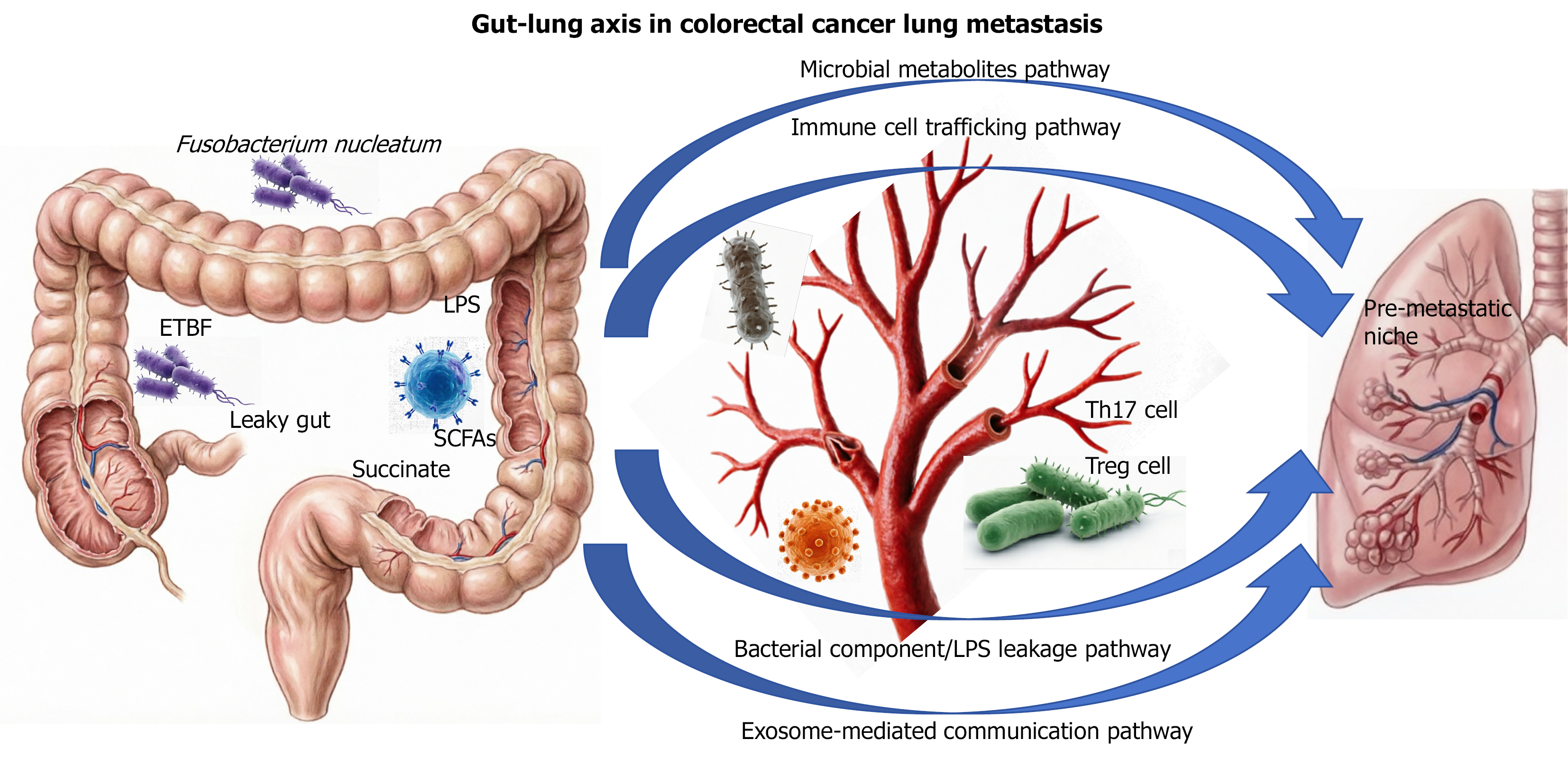
Figure 1 A schematic diagram that shows the gutlung axis in the situation of colorectal cancer lung metastasis.
The key essential elements are presented: Gut microbial flora (the dysbiosis which involves Fusobacterium nucleatum and enterotoxigenic Bacteroides fragilis), metabolic products (short-chain fatty acids, succinate), intestines barrier (gut leakage), exosomes (which carry microRNAs and circular RNAs), immunity cell movement (T helper 17, regulatory T), and the lung pre-metastatic niche. LPS: Lipopolysaccharide; ETBF: Enterotoxigenic Bacteroides fragilis; SCFAs: Short-chain fatty acids; Th17: T helper 17; Treg: Regulatory T.
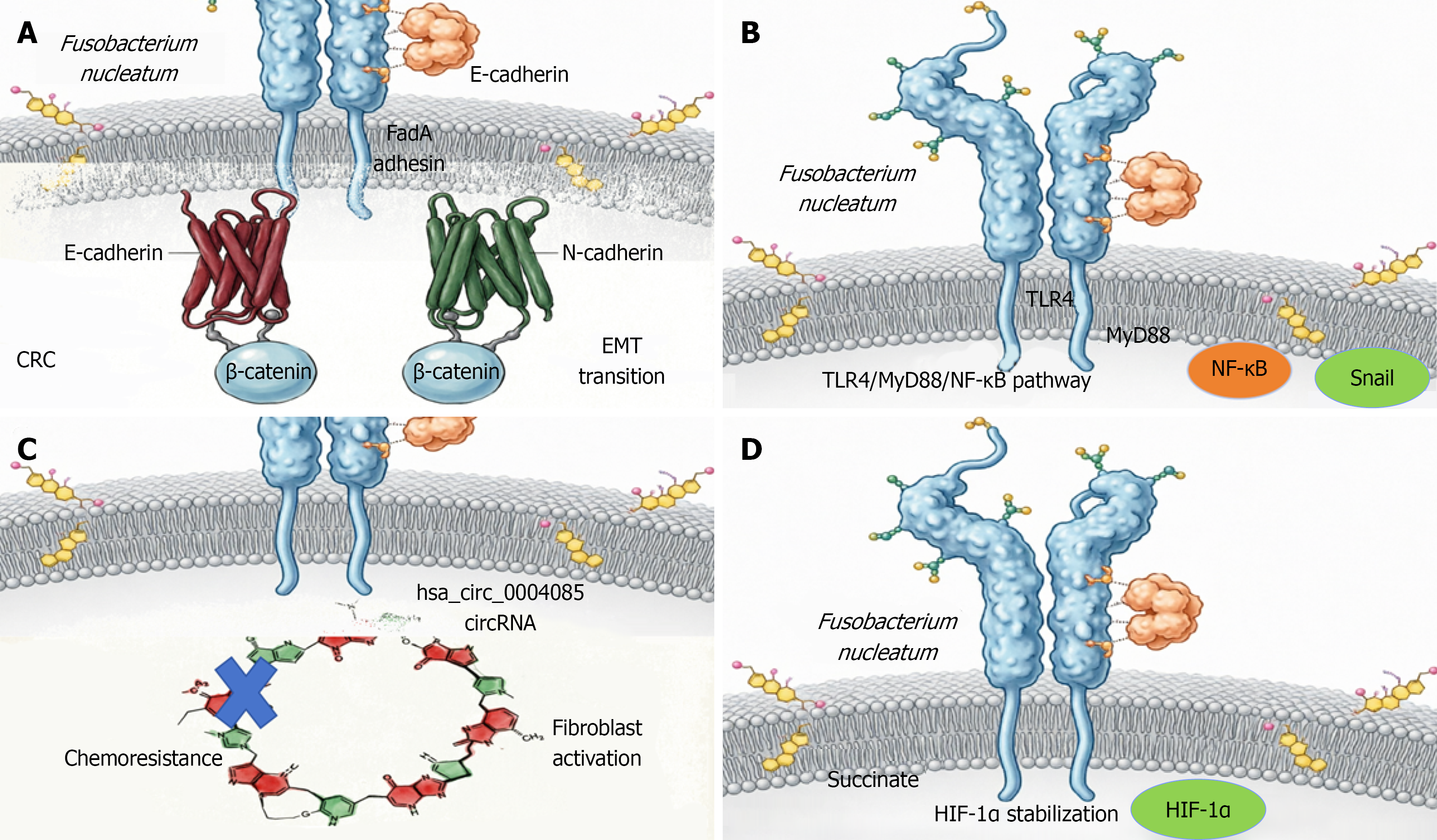
Figure 2 Mechanisms that we put forward, by which Fusobacterium nucleatum promotes the occurrence of colorectal cancer lung metastasis.
A: FadA binds with E-cadherin, which leads to β-catenin release, and then the process of epithelial-mesenchymal transition occurs; B: The activation process of Toll-like receptor 4/MyD88/nuclear factor kappa B can upwardly regulate the expression level of Snail; C: Exosome-derived human circRNA hsa_circ_0004085 may enhance drug resistance and pre-activate lung fibroblasts; D: Succinate has the function of making hypoxia-inducible factor-1 alpha become stabilized. CRC: Colorectal cancer; EMT: Epithelial-mesenchymal transition; TLR4: Toll-like receptor 4; NF-κB: Nuclear factor kappa B; HIF-1α: Hypoxia-inducible factor-1 alpha.
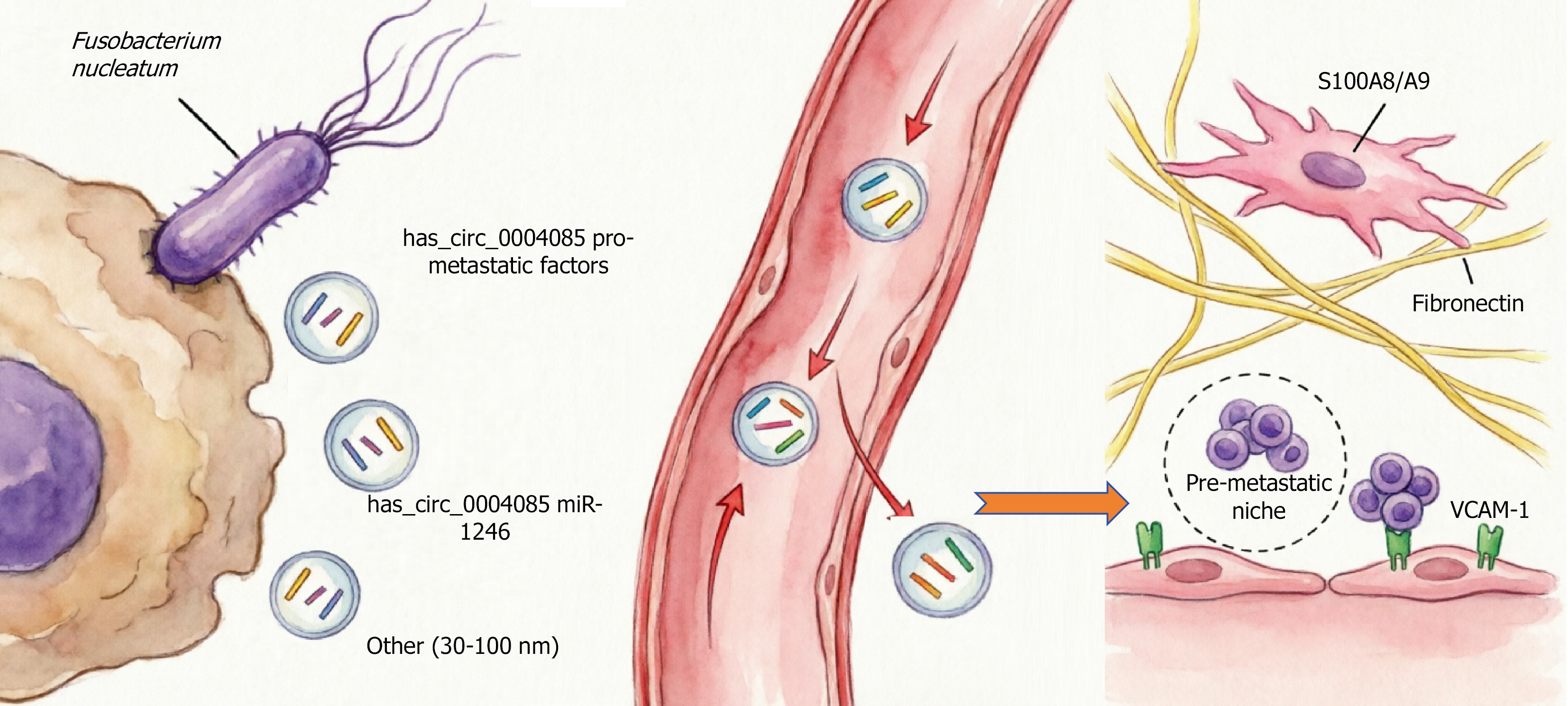
Figure 3 Formation of the lung pre-metastatic niche that is mediated by exosomes from the gut.
Colorectal cancer cells which are infected with Fusobacterium nucleatum give out exosomes that hold hsa_circ_0004085, miR-1246, and other factors which promote metastasis. These exosomes move via blood circulation to the lung, where they are absorbed by fibroblasts and endothelial cells, thus inducing the expression of S100A8/A9 and fibronectin. Therefore, a microenvironment that permits the colonization of tumor cells is created. VCAM-1: Vascular cell adhesion molecule-1.
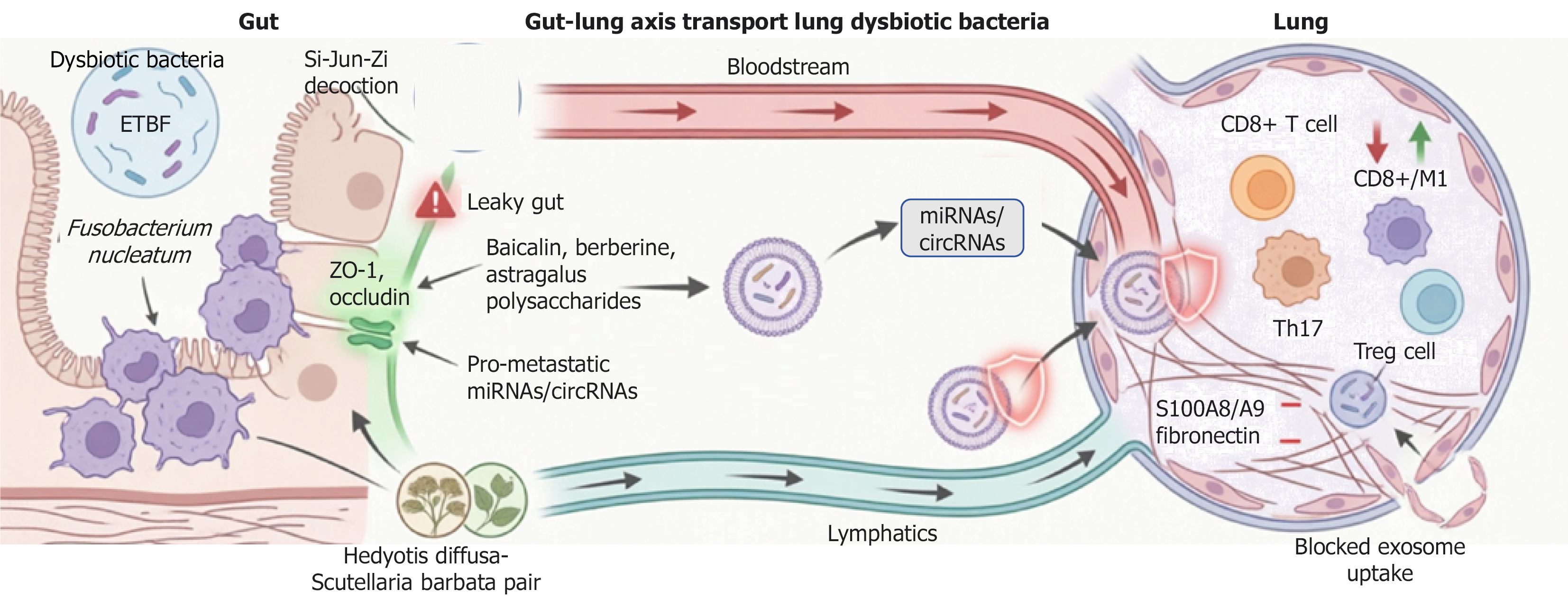
Figure 4 Traditional Chinese medicine interventions that target the gut-lung axis.
The diagram shows a summary of how traditional Chinese medicine formulas (Si-Jun-Zi decoction, Hedyotis diffusa-Scutellaria barbata) and active compounds (baicalin, berberine, astragalus polysaccharides) recover gut microbial diversity, repair the intestinal barrier, reduce exosomal release of pro-metastatic factors, and adjust immune cell movement, hence hindering lung metastasis. ETBF: Enterotoxigenic Bacteroides fragilis; ZO-1: Zonula occludens-1; miRNAs: MicroRNAs; circRNAs: Circular RNAs; Th17: T helper 17; Treg: Regulatory T.
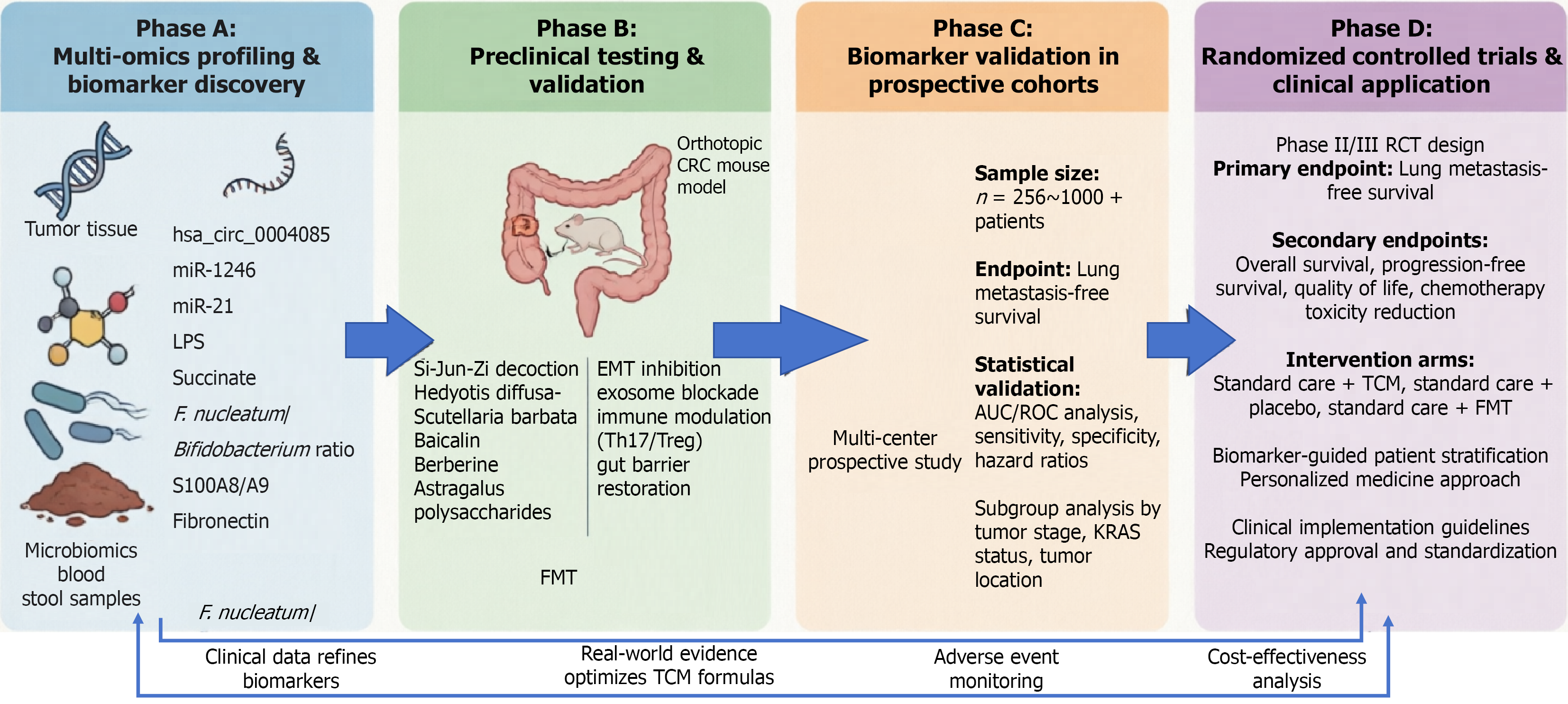
Figure 5 A transmutation road diagram from gut-lung axis study to clinical utilization.
Key stages include: Phase A: Multiple omics measurement to identify biological markers; phase B: Pre-clinical experiment examination of traditional Chinese medicine intervening measures in orthotopic models; phase C: Biological marker verification in forward-looking cohort groups; and phase D: The design of randomized controlled experiments that include lung metastasis-free survival time as the main observation endpoint. LPS: Lipopolysaccharide; F. nucleatum: Fusobacterium nucleatum; EMT: Epithelial-mesenchymal transition; Th17: T helper 17; Treg: Regulatory T; TCM: Traditional Chinese medicine; AUC: Area under the curve; ROC: Receiver operating characteristic; RCT: Randomized controlled trial; FMT: Fecal microbiota transplantation.
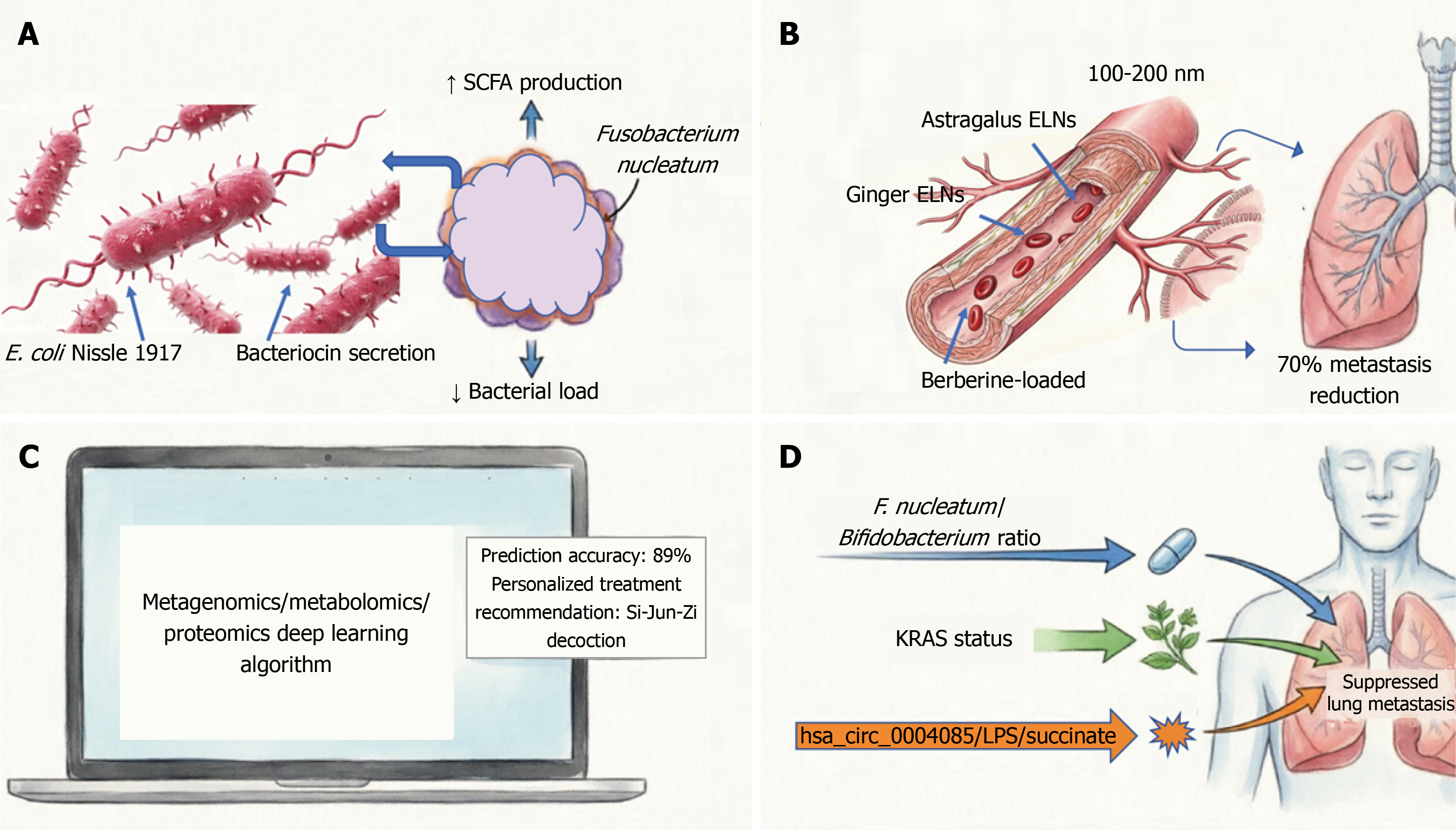
Figure 6 Future outlook of gut-lung axis directional treatment in colorectal cancer lung metastasis.
A: Designing probiotics: Gene changed E. coli Nissle 1917 secretion of bacteriocin targets Fusobacterium nucleatum (F. nucleatum), which lowers bacterial quantity and increases short-chain fatty acid output; B: Exosome-like nanoparticles derived from traditional Chinese medicine: Nanoparticles from plant sources such as Astragalus and ginger, which are loaded with berberine (100-200 nm), travel to the lungs via blood circulation, thus obtaining a 70% decrease in metastasis; C: Artificial intelligence help network forecast: One deep learning arithmetic gathers metagenomic, metabolomic, and proteomic information to forecast individual Chinese medicine therapy (e.g., Si-Jun-Zi decoction) which has accuracy of 89%; D: Comprehensive individual treatment: Patient grouping according to microorganism spectrum (F. nucleatum/Bifidobacterium proportion), heredity condition (KRAS), and cycle biology signs (hsa_circ_0004085, lipopolysaccharide, succinate) guide combination treatment to prevent lung metastasis. SCFA: Short-chain fatty acid; ELNs: Exosome-like nanoparticles; LPS: Lipopolysaccharide.
- Citation: Wang GL, Deng H, Wang G, Qu NN. Mechanisms of the gut-lung axis in regulating lung metastasis of colorectal cancer and advances in traditional Chinese medicine intervention. World J Gastrointest Oncol 2026; 18(10): 123494
- URL: https://www.wjgnet.com/1948-5204/full/v18/i10/123494.htm
- DOI: https://dx.doi.org/10.4251/wjgo.123494