
















Copyright: ©Author(s) 2026.
World J Gastrointest Endosc. Nov 16, 2026; 18(11): 126153
Published online Nov 16, 2026. doi: 10.4253/wjge.126153
Published online Nov 16, 2026. doi: 10.4253/wjge.126153
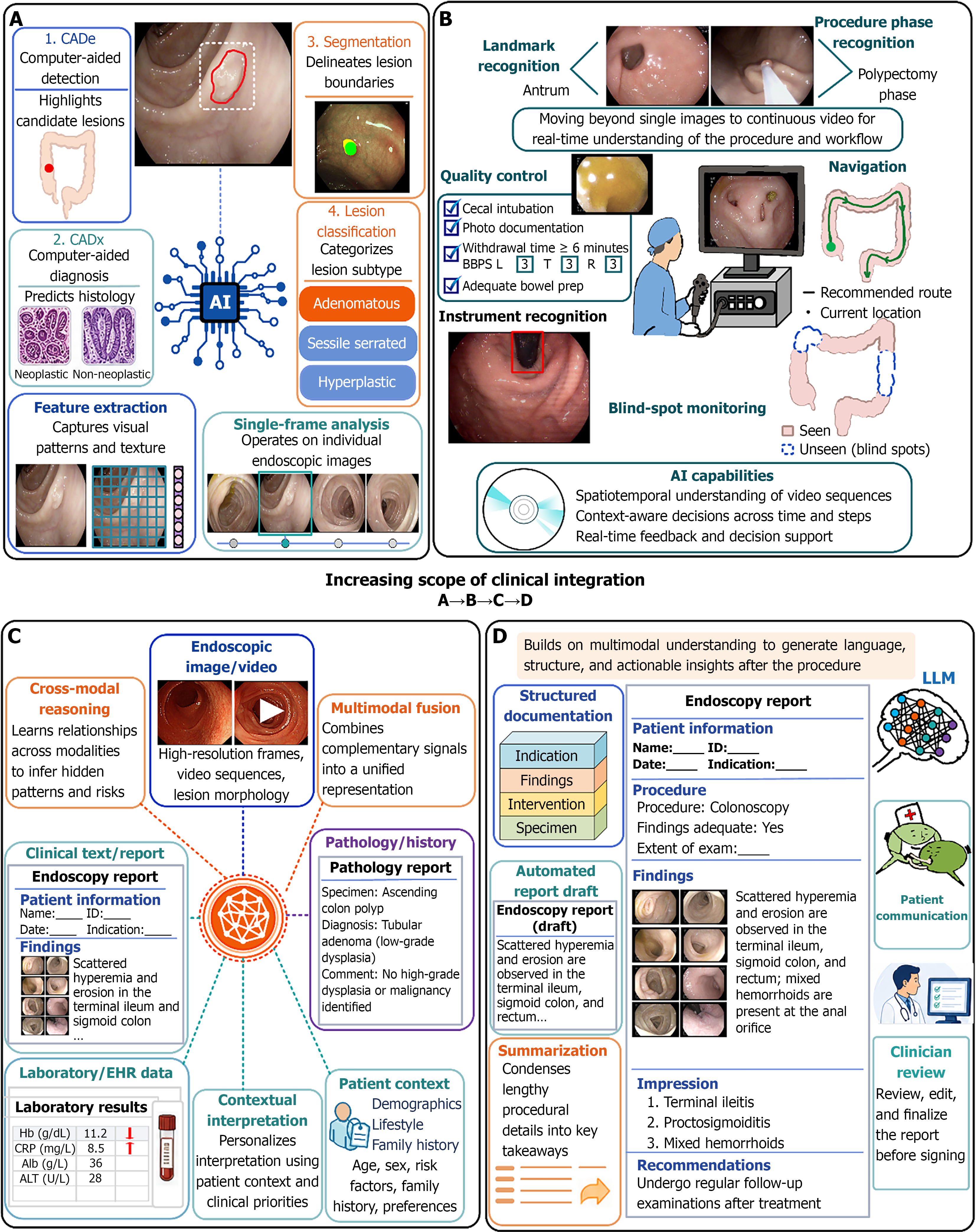
Figure 1 Levels of clinical integration of artificial intelligence in gastrointestinal endoscopy.
A: Perception at the lesion level; B: Procedure-level understanding; C: Patient-level multimodal integration; D: Documentation and communication support. These levels are intended to represent the increasing clinical integration rather than a strict chronological sequence. This is an author-proposed conceptual framework intended for illustration and does not represent a validated clinical pathway or clinical guideline. AI: Artificial intelligence; CADe: Computer-aided detection; CADx: Computer-aided diagnosis; LLM: Large language model; BBPS: Boston Bowel Preparation Scale; EHR: Electronic health record; Hb: Hemoglobin; CRP: C-reactive protein; Alb: Albumin; ALT: Alanine aminotransferase.
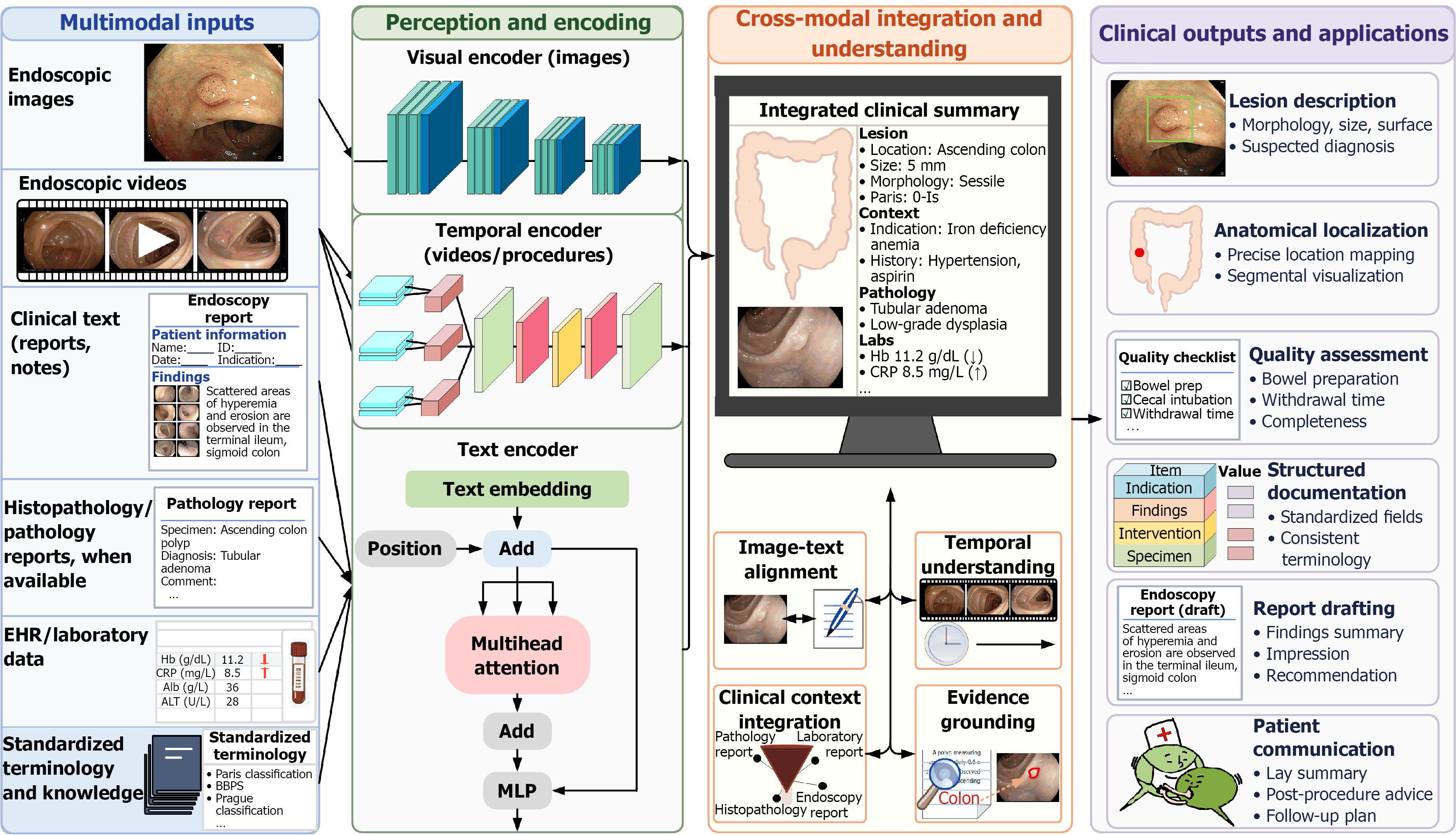
Figure 2 Modality-specific encoding and task-oriented outputs in multimodal gastrointestinal endoscopic artificial intelligence.
This framework does not imply that all modalities are available simultaneously or that all outputs are generated within a single final report. This is an author-proposed conceptual framework intended for illustration and does not represent a validated clinical pathway or clinical guideline. EHR: Electronic health record; BBPS: Boston Bowel Preparation Scale; MLP: Multilayer perceptron; Hb: Hemoglobin; CRP: C-reactive protein; Alb: Albumin; ALT: Alanine aminotransferase.
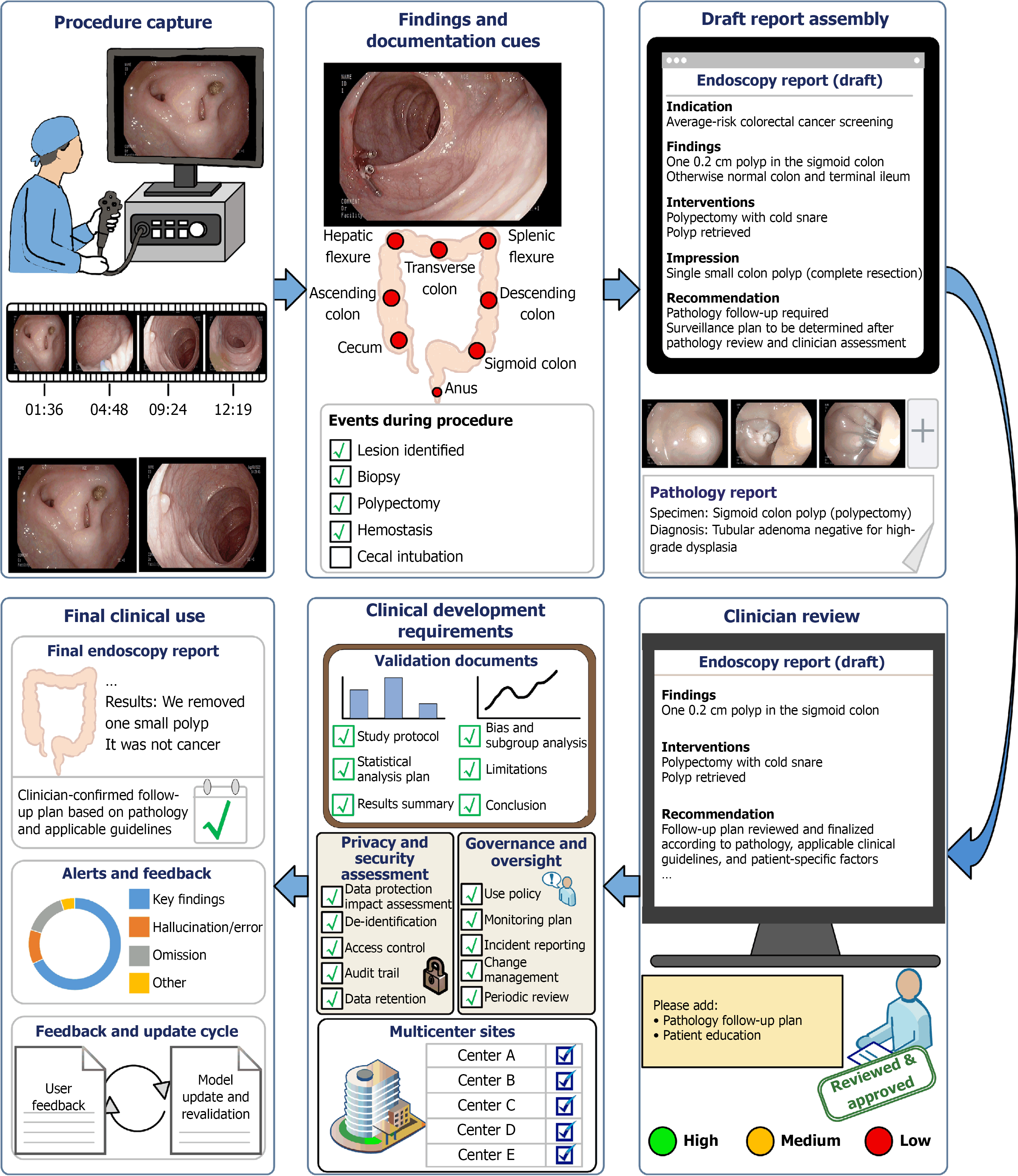
Figure 3 Artificial intelligence-assisted endoscopic documentation and report generation pathway.
The figure illustrates a clinician-supervised documentation pathway rather than a fully automated real-time final reporting system. AI-generated draft reports and follow-up suggestions require clinician review before clinical use. Follow-up recommendations should be determined according to confirmed pathology, applicable clinical guidelines, and patient-specific factors. This is an author-proposed conceptual framework intended for illustration and does not represent a validated clinical pathway or clinical guideline.
- Citation: He HW, Chan IN, Qin YY, Yan T, Wong PK. Multimodal artificial intelligence and large language models in gastrointestinal endoscopy: From lesion detection to workflow-integrated report generation. World J Gastrointest Endosc 2026; 18(11): 126153
- URL: https://www.wjgnet.com/1948-5190/full/v18/i11/126153.htm
- DOI: https://dx.doi.org/10.4253/wjge.126153