
















Copyright: ©Author(s) 2026.
World J Clin Cases. Nov 26, 2026; 14(29): 129712
Published online Nov 26, 2026. doi: 10.12998/wjcc.129712
Published online Nov 26, 2026. doi: 10.12998/wjcc.129712
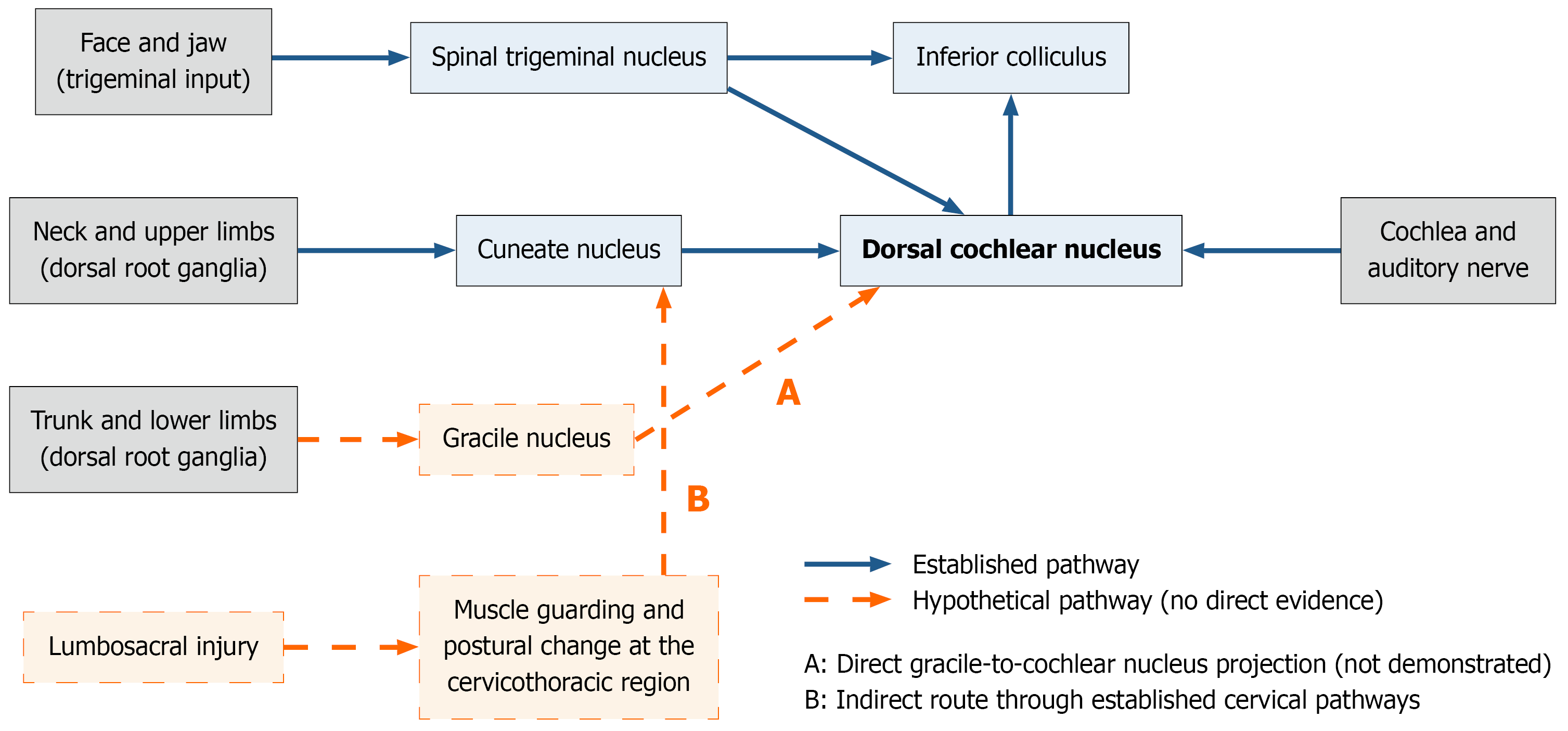
Figure 1 Proposed pathways linking somatic input to the auditory system.
Established pathways (solid arrows): Somatosensory input from the face and jaw reaches the spinal trigeminal nucleus, and input from the neck and upper limbs reaches the cuneate nucleus; both project to the dorsal cochlear nucleus, which also receives auditory nerve input, and somatosensory input also reaches the inferior colliculus. Hypothetical pathways (dashed arrows), for which no direct evidence exists: (A) a direct projection from the gracile nucleus, which relays trunk and lower-limb input, to the cochlear nucleus; (B) an indirect route in which lumbosacral injury produces muscle guarding and postural change at the cervicothoracic region, which then acts through established cervical pathways.
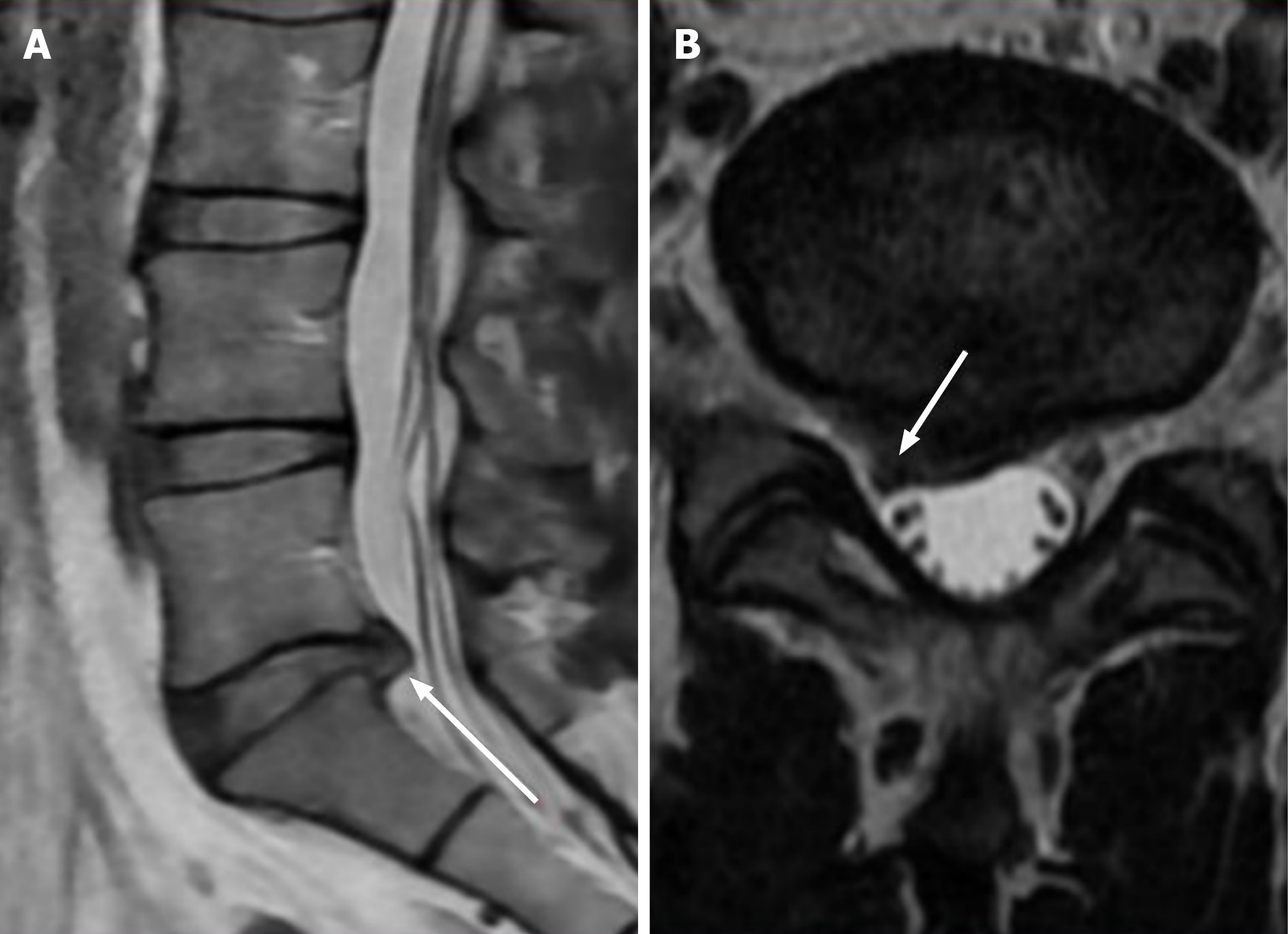
Figure 2 Lumbar spine magnetic resonance imaging in the clinical vignette.
A: Sagittal T2-weighted image showing a disc herniation at L5/S1 (arrow) with impingement of the thecal sac; B: Axial T2-weighted image at the L5/S1 level showing the posterolateral disc herniation (arrow) abutting the thecal sac, without evidence of cauda equina compression.
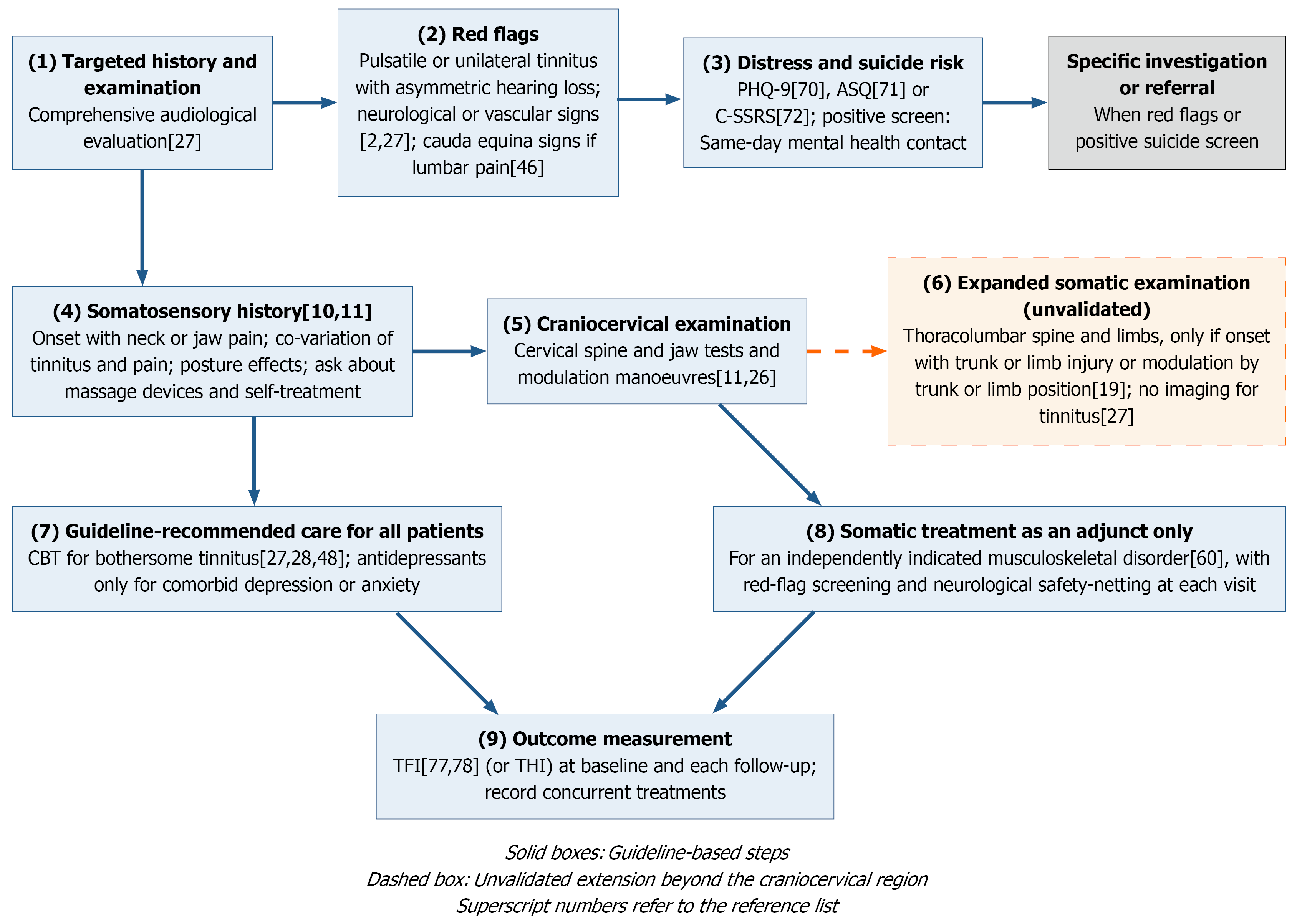
Figure 3 Proposed, unvalidated assessment pathway for suspected somatosensory tinnitus.
The pathway is hypothesis-generating and is not a clinical guideline or a validated algorithm. Steps in solid boxes follow guideline recommendations; the dashed box marks the unvalidated extension of the somatic examination beyond the craniocervical region, which can be considered only when specific history clues are present. Superscript numbers refer to the reference list. ASQ: Ask Suicide-Screening Questions; C-SSRS: Columbia-Suicide Severity Rating Scale; CBT: Cognitive behavioural therapy; PHQ-9: Patient Health Questionnaire-9; TFI: Tinnitus Functional Index; THI: Tinnitus Handicap Inventory.
- Citation: Chu ECP. Is somatosensory tinnitus confined to the craniocervical region: Diagnostic pitfalls, manual therapy and safety considerations. World J Clin Cases 2026; 14(29): 129712
- URL: https://www.wjgnet.com/2307-8960/full/v14/i29/129712.htm
- DOI: https://dx.doi.org/10.12998/wjcc.129712