
















Copyright: ©Author(s) 2026.
World J Transl Med. Sep 28, 2026; 12(3): 124320
Published online Sep 28, 2026. doi: 10.5528/wjtm.124320
Published online Sep 28, 2026. doi: 10.5528/wjtm.124320
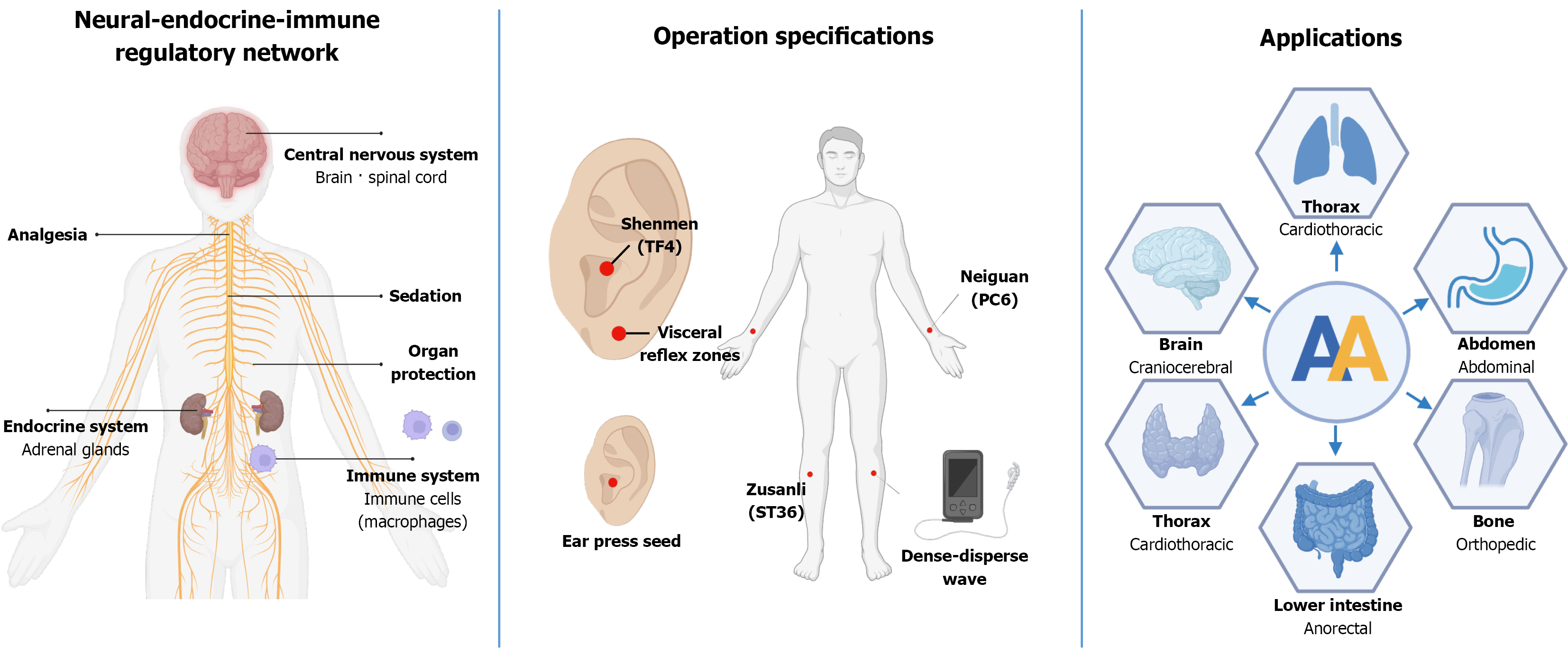
Figure 1 Neuro-endocrine-immune network multi-target integration.
This figure illustrates the key components of acupuncture anesthesia as a perioperative integrative technique. Left panel (mechanism): Acupuncture anesthesia exerts its effects through a neural-endocrine-immune regulatory network. The central nervous system (brain and spinal cord), endocrine system (adrenal glands), and immune system (macrophages) interact to achieve analgesia, sedation, and organ protection. Middle panel (operation specifications): Auricular acupoints, particularly Shenmen (TF4) located in the triangular fossa, and visceral reflex zones are stimulated using ear press seeds. Body acupoints, exemplified by Zusanli (ST36), are stimulated with electroacupuncture using dense-disperse wave parameters. Right panel (applications): Acupuncture anesthesia is tailored to six surgical categories: Craniocerebral (brain), cardiothoracic (thorax), abdominal, orthopedic (bone), thyroid, and anorectal (lower intestine) surgeries, with acupoint selection and stimulation methods optimized according to surgical site. AA: Acupuncture-assisted anesthesia.
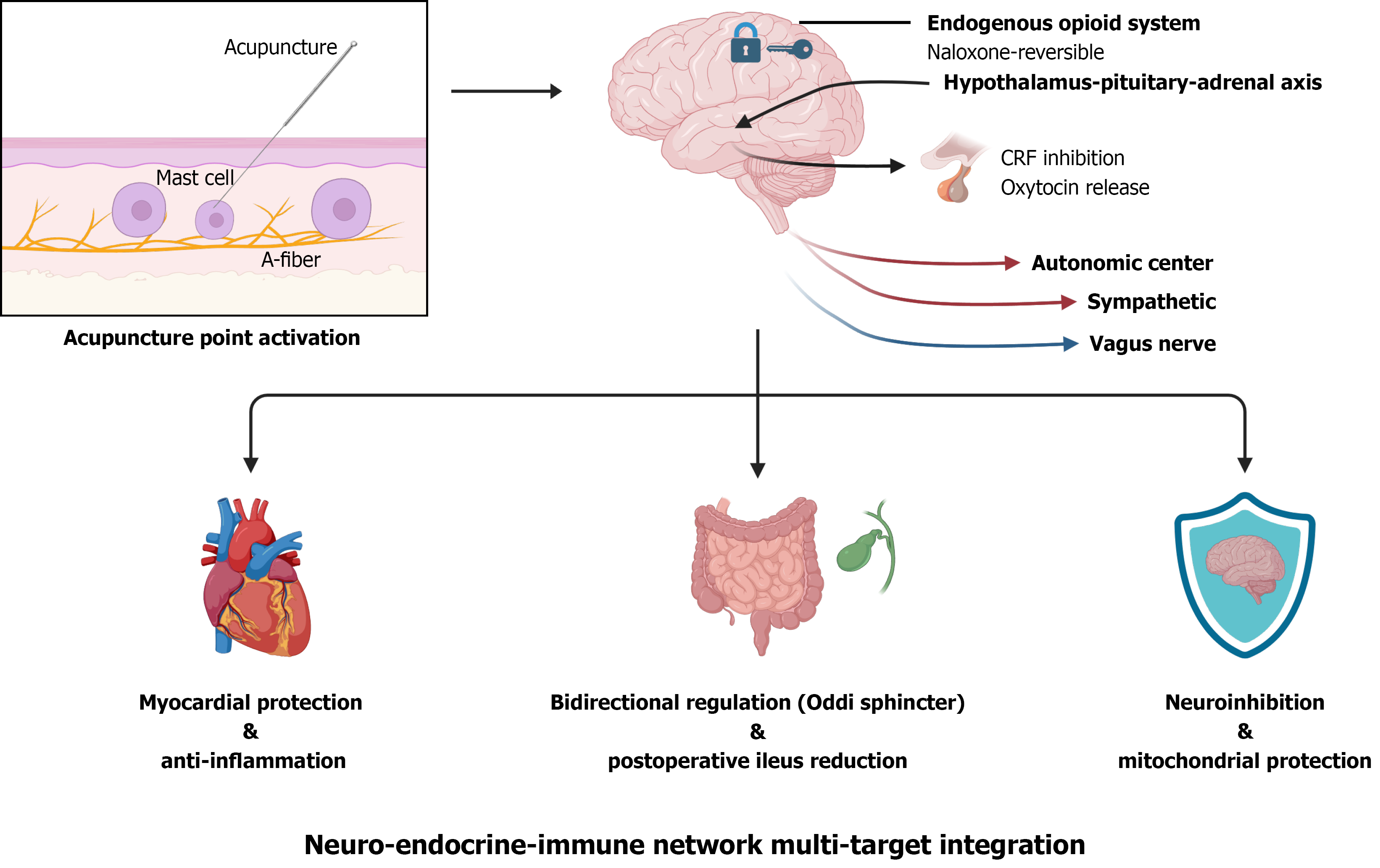
Figure 2 Multilevel integrative mechanisms of acupuncture-assisted anesthesia.
The multilayer integrative mechanisms of acupuncture-assisted anesthesia, including peripheral initiation, cerebral integration, and systemic effector outputs, are illustrated in this graphic. By activating local mast cells and A-fiber afferents at acupoints, needling stimulation transmits signals to the central nervous system. Endogenous opioid release (which naloxone reverses), oxytocin production, and regulation of the hypothalamic-pituitary-adrenal axis via corticotropin-releasing factor inhibition are all components of central integration. Sympathetic and vagal efferents carry out autonomic control, which permits bidirectional regulation of visceral processes like Oddi sphincter activity and the reduction of postoperative ileus. Myocardial protection, anti-inflammatory, neuroinhibitory, and mitochondrial preservation are examples of downstream effects. The neuroendocrine-immune network that these processes collectively form is what gives acupuncture its sedative, analgesic, and organ-protective effects. CRF: Corticotropin-releasing factor.
- Citation: Zhao MY, Xie CY, Zhao EH, Li ZM, Pan JY, Wang WQ, Zhou GW, Yang GH, Xu B, Liu Y, Xu TC. Acupuncture-assisted anesthesia in surgical procedures: A comprehensive review of operational methods, technical details, ear and body acupoints application. World J Transl Med 2026; 12(3): 124320
- URL: https://www.wjgnet.com/2220-6132/full/v12/i3/124320.htm
- DOI: https://dx.doi.org/10.5528/wjtm.124320