
















Copyright: ©Author(s) 2026.
World J Transl Med. Sep 28, 2026; 12(3): 124320
Published online Sep 28, 2026. doi: 10.5528/wjtm.124320
Published online Sep 28, 2026. doi: 10.5528/wjtm.124320
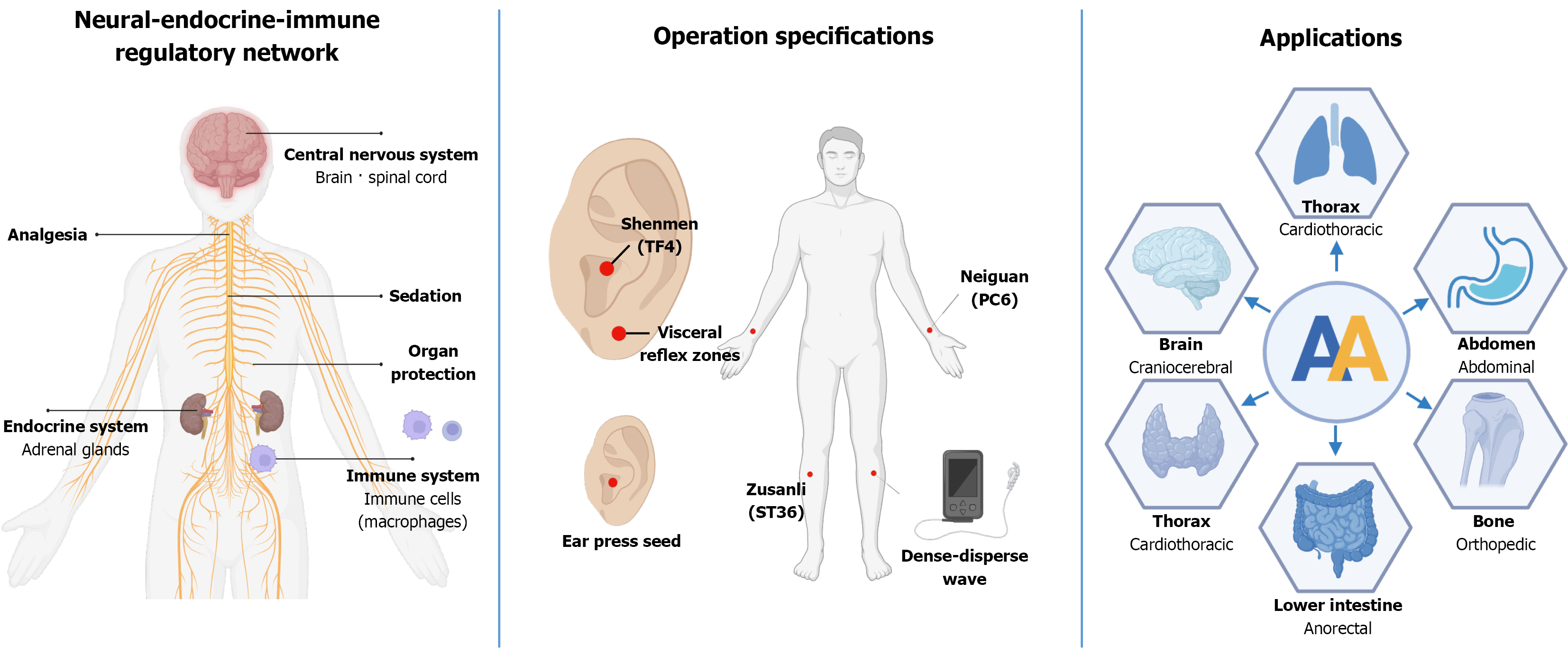
Figure 1 Neuro-endocrine-immune network multi-target integration.
This figure illustrates the key components of acupuncture anesthesia as a perioperative integrative technique. Left panel (mechanism): Acupuncture anesthesia exerts its effects through a neural-endocrine-immune regulatory network. The central nervous system (brain and spinal cord), endocrine system (adrenal glands), and immune system (macrophages) interact to achieve analgesia, sedation, and organ protection. Middle panel (operation specifications): Auricular acupoints, particularly Shenmen (TF4) located in the triangular fossa, and visceral reflex zones are stimulated using ear press seeds. Body acupoints, exemplified by Zusanli (ST36), are stimulated with electroacupuncture using dense-disperse wave parameters. Right panel (applications): Acupuncture anesthesia is tailored to six surgical categories: Craniocerebral (brain), cardiothoracic (thorax), abdominal, orthopedic (bone), thyroid, and anorectal (lower intestine) surgeries, with acupoint selection and stimulation methods optimized according to surgical site. AA: Acupuncture-assisted anesthesia.
- Citation: Zhao MY, Xie CY, Zhao EH, Li ZM, Pan JY, Wang WQ, Zhou GW, Yang GH, Xu B, Liu Y, Xu TC. Acupuncture-assisted anesthesia in surgical procedures: A comprehensive review of operational methods, technical details, ear and body acupoints application. World J Transl Med 2026; 12(3): 124320
- URL: https://www.wjgnet.com/2220-6132/full/v12/i3/124320.htm
- DOI: https://dx.doi.org/10.5528/wjtm.124320