
















Copyright: ©Author(s) 2026.
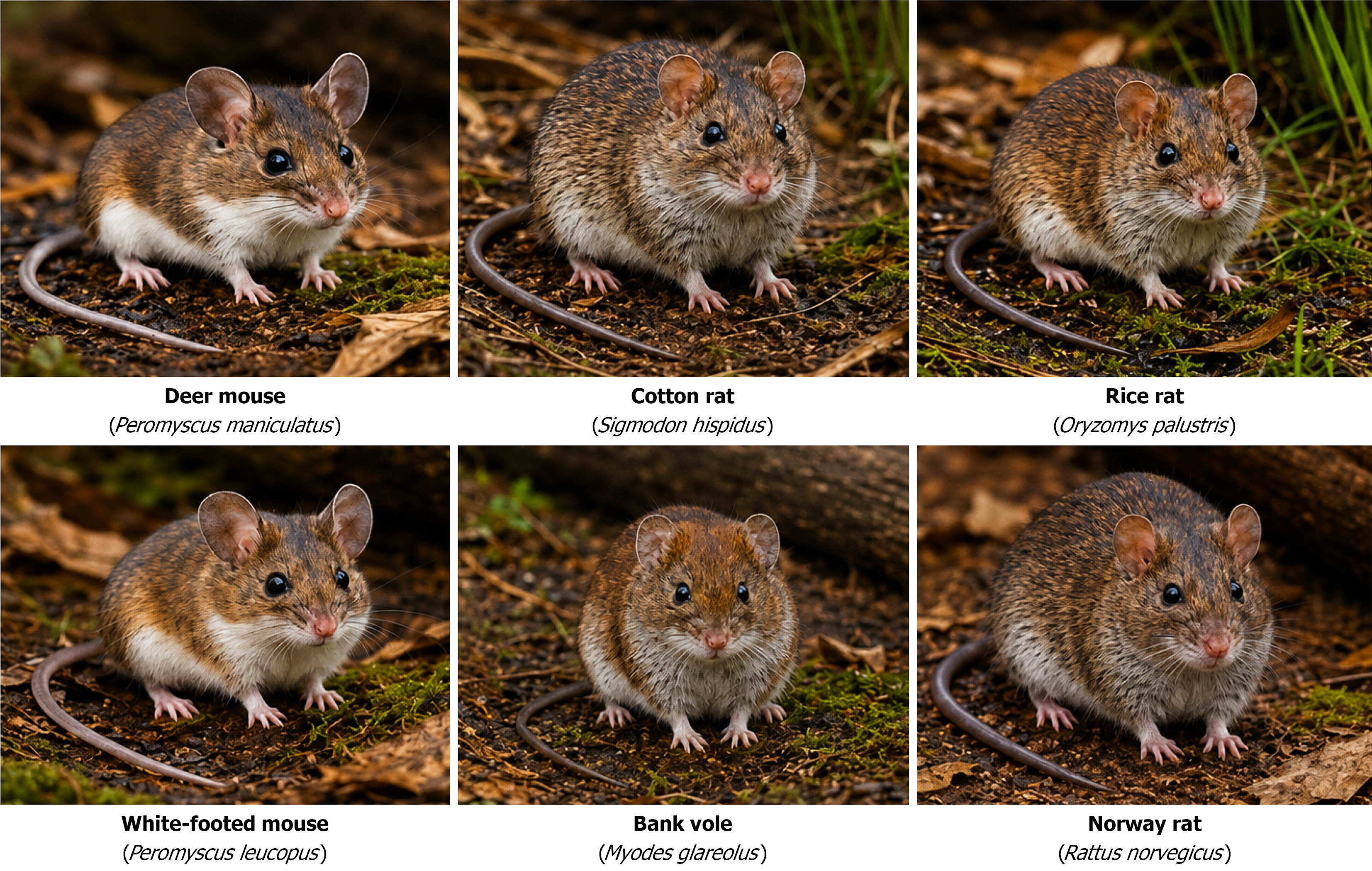
Figure 1 Major rodent reservoirs associated with human-pathogenic hantaviruses.
Representative rodent reservoirs include rat. Human infection occurs mainly through inhalation of aerosolized virus from contaminated rodent urine, feces, or saliva.
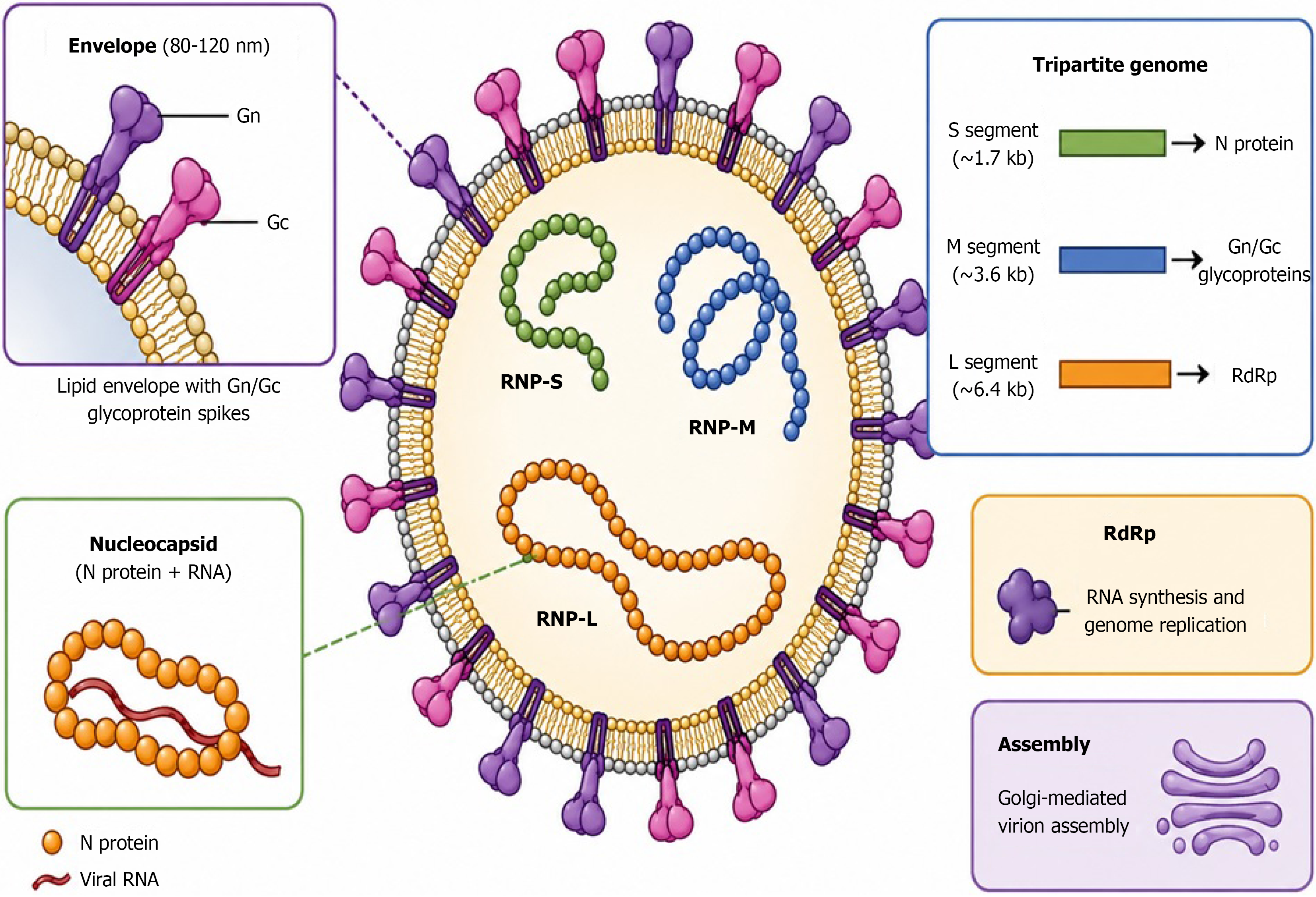
Figure 2 Structural organization of hantavirus virion.
AI tools were used only to generate this figure using OpenAI’s ChatGPT image generation system (DALL·E) based on author-prepared scientific prompts. The schematic shows the enveloped hantavirus virion with Gn/Gc glycoproteins, three ribonucleoprotein complexes, and the S, M, and L genome segments encoding N protein, Gn/Gc, and RNA-dependent RNA polymerase, respectively. RdRp: RNA-dependent RNA polymerase; RNP: Ribonucleoprotein.
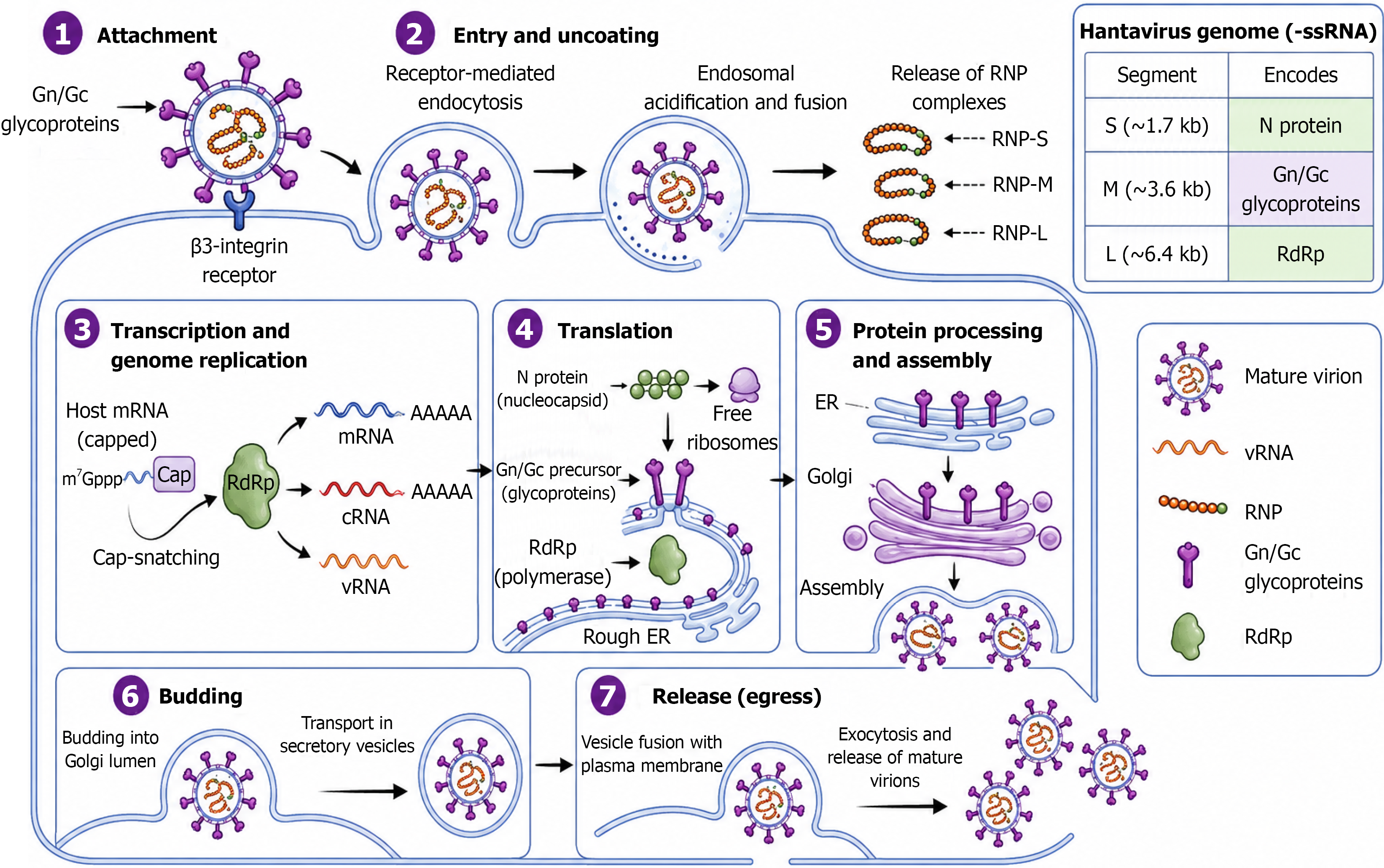
Figure 3 Hantavirus infection and life cycle.
AI tools were used only to generate this figure using OpenAI’s ChatGPT image generation system (DALL·E) based on author-prepared scientific prompts. RdRp: RNA-dependent RNA polymerase; RNP: Ribonucleoprotein; ssRNA: Single-stranded ribonucleic acid; vRNA: Viral ribonucleic acid; ER: Endoplasmic reticulum.
- Citation: Uppala PK, Karanam SK, Kandra NV, Edhi S. Hantavirus infections: A growing global health concern. World J Virol 2026; 15(3): 120334
- URL: https://www.wjgnet.com/2220-3249/full/v15/i3/120334.htm
- DOI: https://dx.doi.org/10.5501/wjv.120334