
















Copyright: ©Author(s) 2026.
World J Exp Med. Sep 20, 2026; 16(3): 124656
Published online Sep 20, 2026. doi: 10.5493/wjem.124656
Published online Sep 20, 2026. doi: 10.5493/wjem.124656
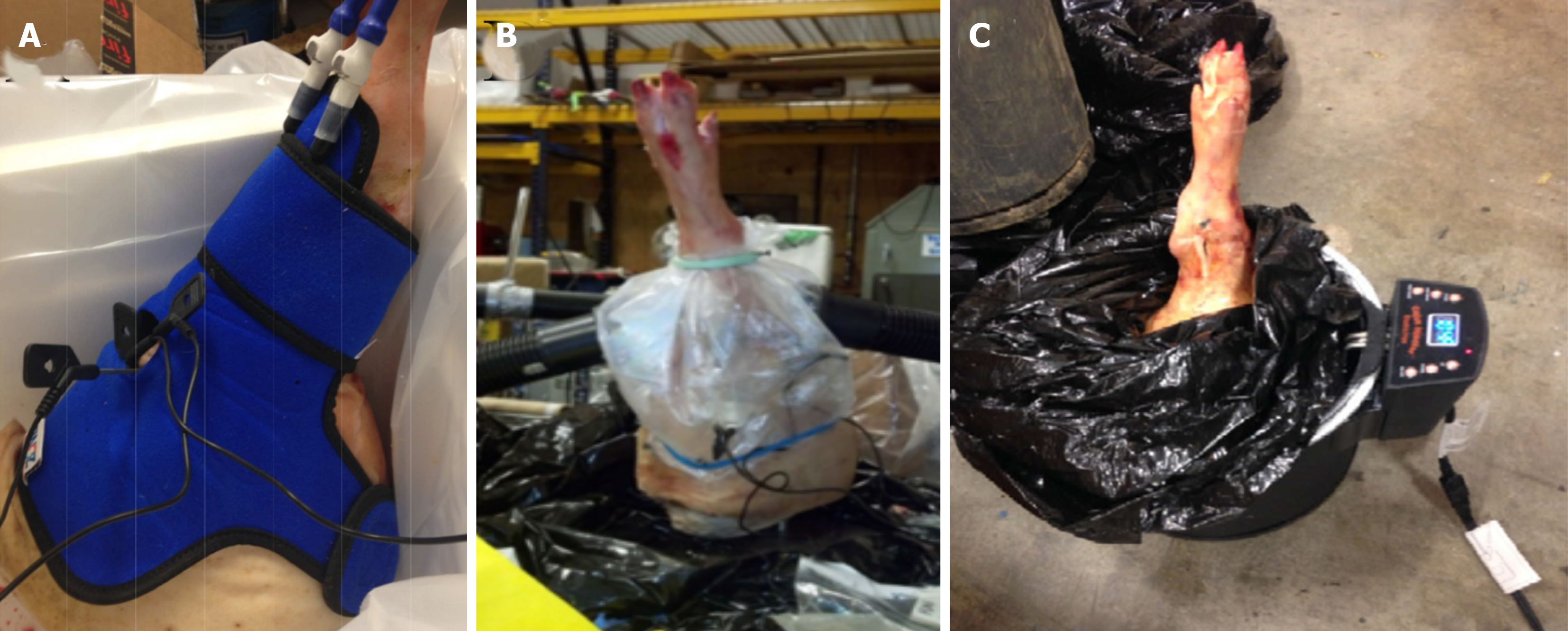
Figure 1 Experimental setup and cooling systems used in the study.
A: Cooling was applied using the SootheAway circulating-pad cooling system; B: Using the ThermoCuff forced-air convection cooling system, which consisted of a full-wrap cuff (12 inches × 16.5 inches) with dual 2-inch inlet and outlet ports, secured with silicone bands during testing; C: After each test, the specimen was re-warmed in a hot water bath to re-establish the target physiological starting temperature before the next trial. ChatGPT was used to enhance the quality of the figures, without distortion or manipulation.
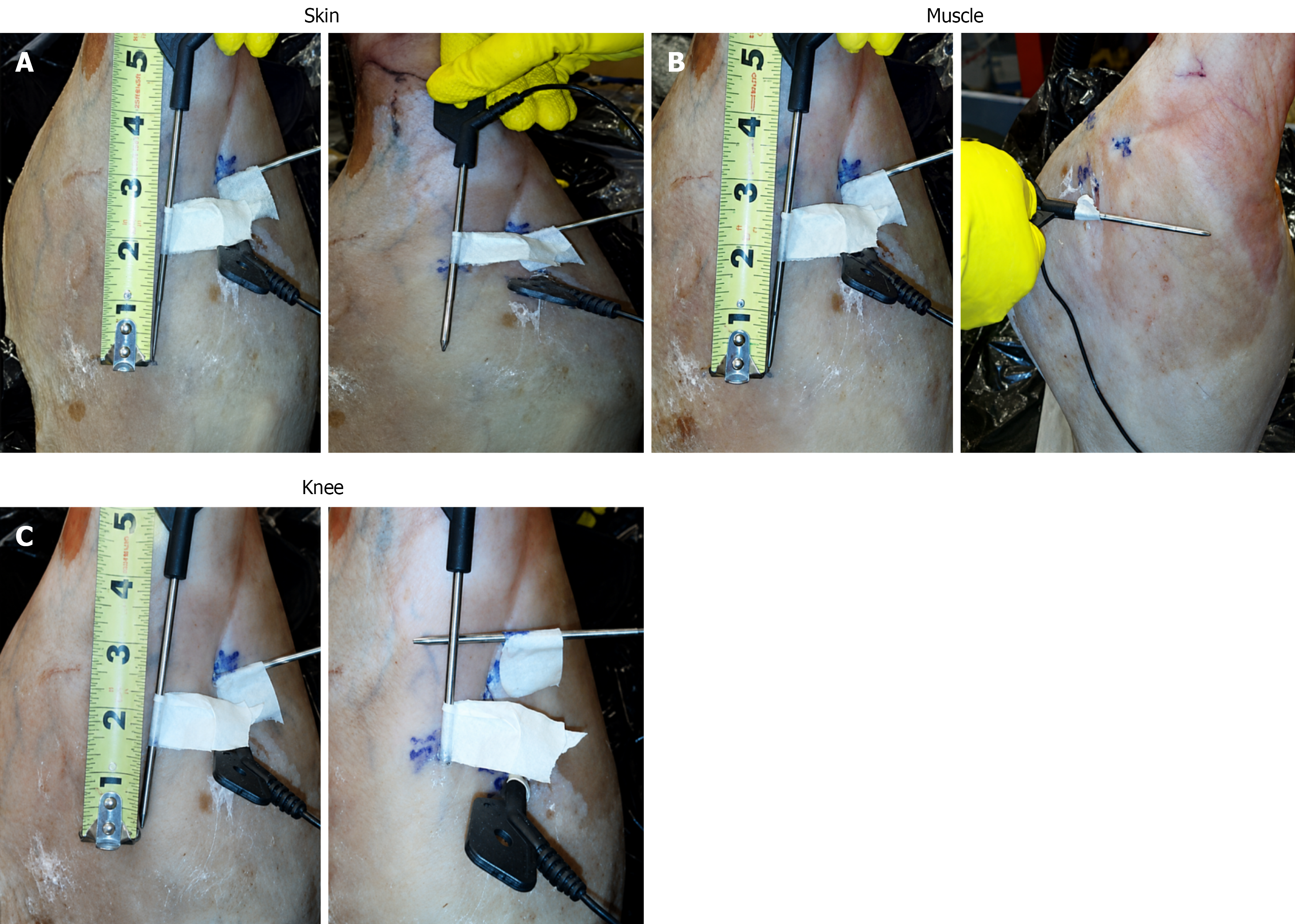
Figure 2 Placement of temperature probes for skin, intramuscular, and intra-articular measurements.
A: Skin temperature was measured using a probe inserted sub-dermally at a depth of approximately 1.75 inches, positioned parallel to the skin surface; B: Muscle temperature was recorded using an intramuscular probe inserted approximately 3.5 inches into the quadriceps muscle; C: Intra-articular knee temperature was measured by inserting a probe 125 inches into the joint space behind the patella. Tape measures were used to standardize probe insertion depth and ensure consistent placement across measurements. These probe positions enabled simultaneous evaluation of thermal responses in the superficial, intramuscular, and intra-articular regions during the experiment. ChatGPT was used to enhance the quality of the figures, without distortion or manipulation.
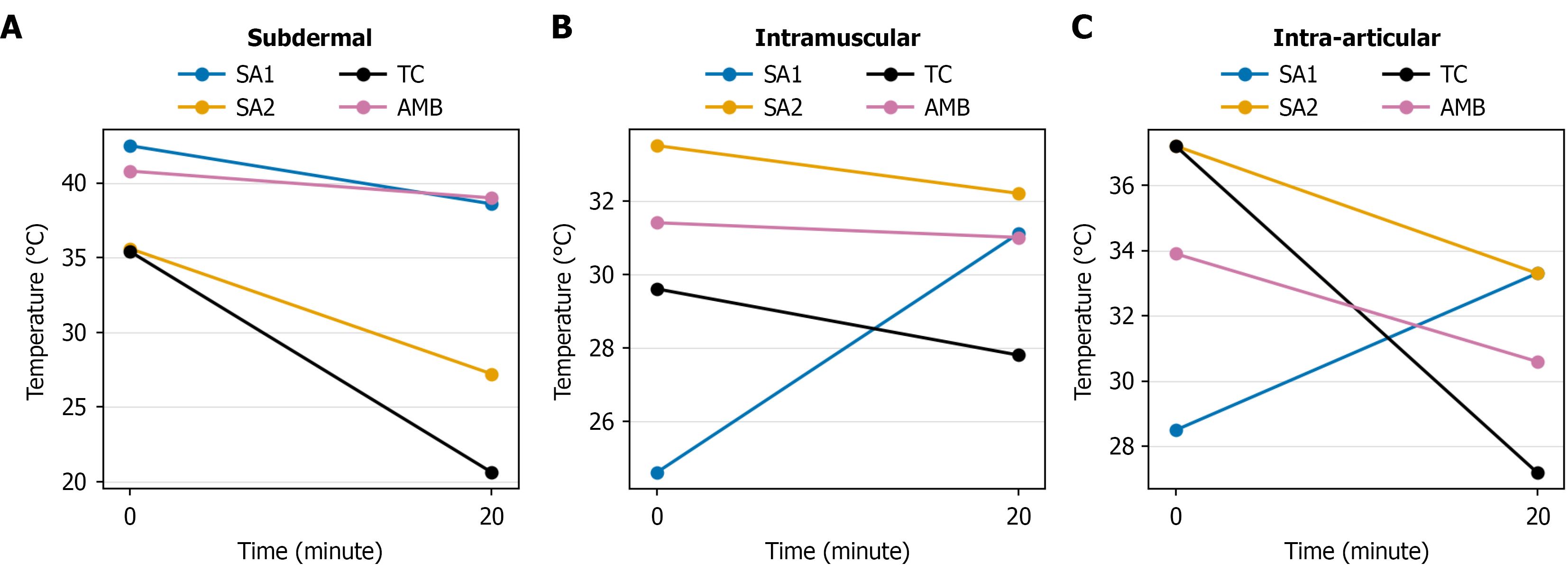
Figure 3 Temperature response from baseline to 20 minutes by tissue depth during the experiment.
Temperature responses from baseline to the prespecified 20-minute endpoint are presented for three monitored compartments. A: Subdermal tissue; B: Intramuscular tissue; C: The intra-articular space. Four experimental conditions were evaluated: SootheAway 1, SootheAway 2, ThermoCuff, and ambient control. Temperatures are reported in degrees Celsius (°C). SA1: SootheAway 1; SA2: SootheAway 2; TC: ThermoCuff; AMB: Ambient control.
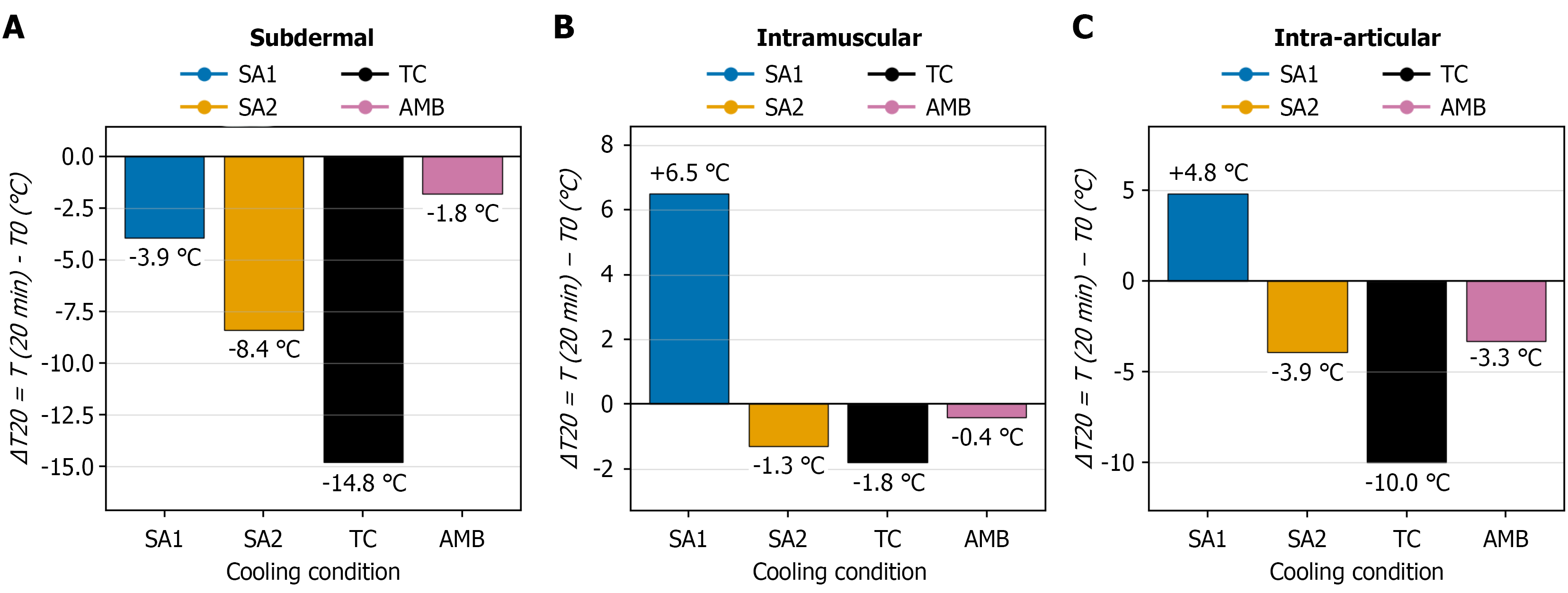
Figure 4 Temperature change at the 20-minute primary endpoint stratified by tissue depth and cooling condition.
The ΔT20, defined as T (20 minutes) - T0, for subdermal tissue, intramuscular tissue, and the intra-articular or retropatellar knee joint space. A: Subdermal tissue; B: Intramuscular tissue; C: The intra-articular or retropatellar knee joint space. Negative values represent cooling, and positive values represent warming. ThermoCuff produced the largest early reductions in subdermal and intra-articular temperatures under the tested cadaveric conditions. In contrast, intramuscular temperature changes were less pronounced across all conditions. SA1: SootheAway 1; SA2: SootheAway 2; TC: ThermoCuff; AMB: Ambient control.
- Citation: Ibrahim MA, Abdelhameed B, Beltagi A, Masoud M, Mohamed SAA, Khalifa AA. Convection-based vs conduction-based cooling in rehabilitation: A cadaveric porcine study of surface and intra-articular temperature reduction. World J Exp Med 2026; 16(3): 124656
- URL: https://www.wjgnet.com/2220-315x/full/v16/i3/124656.htm
- DOI: https://dx.doi.org/10.5493/wjem.124656