
















Copyright: ©Author(s) 2026.
World J Crit Care Med. Sep 9, 2026; 15(3): 120866
Published online Sep 9, 2026. doi: 10.5492/wjccm.120866
Published online Sep 9, 2026. doi: 10.5492/wjccm.120866
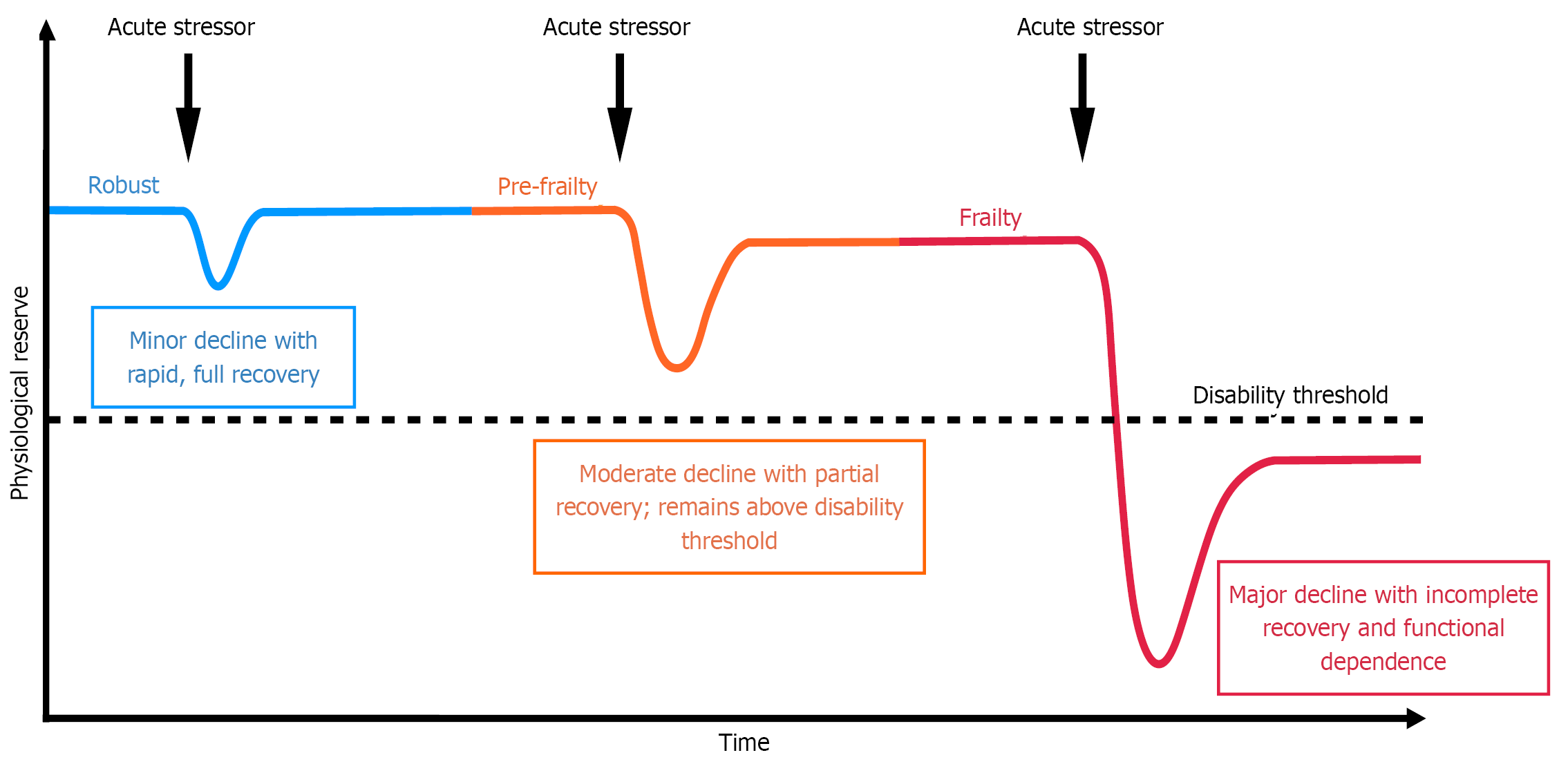
Figure 1 Comparison of functional recovery trajectories following an acute physiological stressor[5].
A: Robust phenotype (blue line) with high physiological reserve experiences a transient decline and a rapid, full recovery to baseline; B: Pre-frailty phenotype (orange line) demonstrating reduced reserve with partial recovery that remains above the disability threshold; C: Frailty phenotype (red line) showing a severe, disproportionate decline following an acute stressor (arrow) with a failure to recover above the disability threshold (dotted line), resulting in new-onset functional dependence. Citation: Dent E, Morley JE, Cruz-Jentoft AJ, Woodhouse L, Rodríguez-Mañas L, Fried LP, Woo J, Aprahamian I, Sanford A, Lundy J, Landi F, Beilby J, Martin FC, Bauer JM, Ferrucci L, Merchant RA, Dong B, Arai H, Hoogendijk EO, Won CW, Abbatecola A, Cederholm T, Strandberg T, Gutiérrez Robledo LM, Flicker L, Bhasin S, Aubertin-Leheudre M, Bischoff-Ferrari HA, Guralnik JM, Muscedere J, Pahor M, Ruiz J, Negm AM, Reginster JY, Waters DL, Vellas B. Physical Frailty: ICFSR International Clinical Practice Guidelines for Identification and Management. J Nutr Health Aging 2019; 23: 771-787. Copyright© The Authors 2019. Published by Elsevier. The article is open access (Supplementary material).
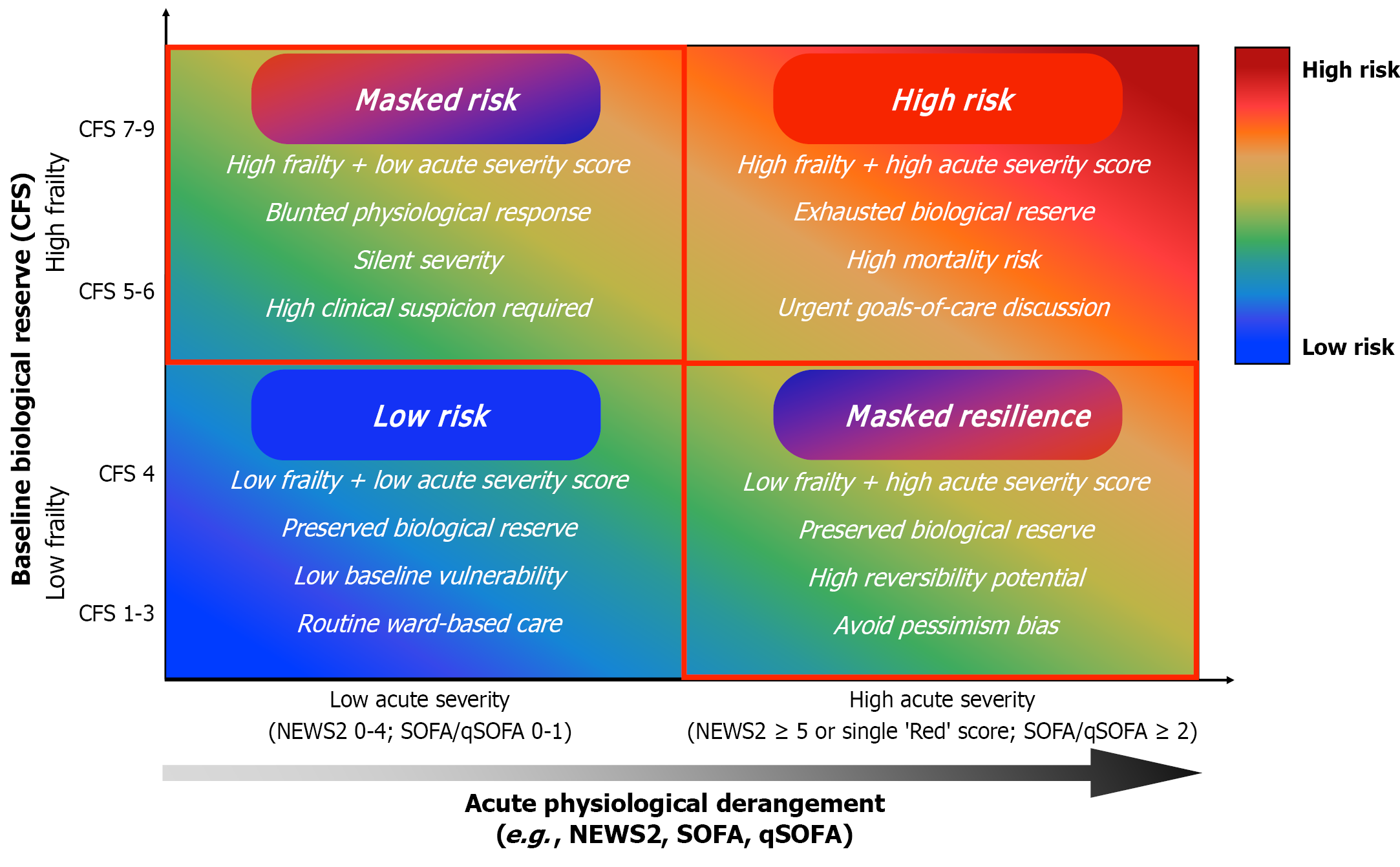
Figure 2 The synergistic 2 × 2 risk stratification matrix.
This conceptual model illustrates the prognostic value of intersecting baseline biological reserve (Y-axis) with acute physiological derangement (X-axis). Baseline reserve is stratified by the Clinical Frailty Scale (CFS)[4,72], dichotomized into low frailty (CFS 1-4) and high frailty (CFS 5-9). The X-axis represents an escalating gradient of acute illness severity, categorized as low acute severity [National Early Warning Score 2 (NEWS2) 0-4; Sequential Organ Failure Assessment (SOFA)/quick SOFA (qSOFA) 0-1] or high acute severity (aggregate NEWS2 ≥ 5 or a single ‘Red’ parameter score of 3[52]; SOFA/qSOFA ≥ 2[45,47]). The background color gradient reflects the escalating risk of mortality and functional decline. The discordant quadrants identify critical clinical phenotypes: Masked Risk (where high frailty blunts physiological response, leading to “silent severity”) and Masked Resilience (where robust biological reserve allows for survival of severe acute insults, provided “pessimism bias” is avoided). CFS: Clinical Frailty Scale; NEWS2: National Early Warning Score 2; SOFA: Sequential Organ Failure Assessment; qSOFA: Quick Sequential Organ Failure Assessment.
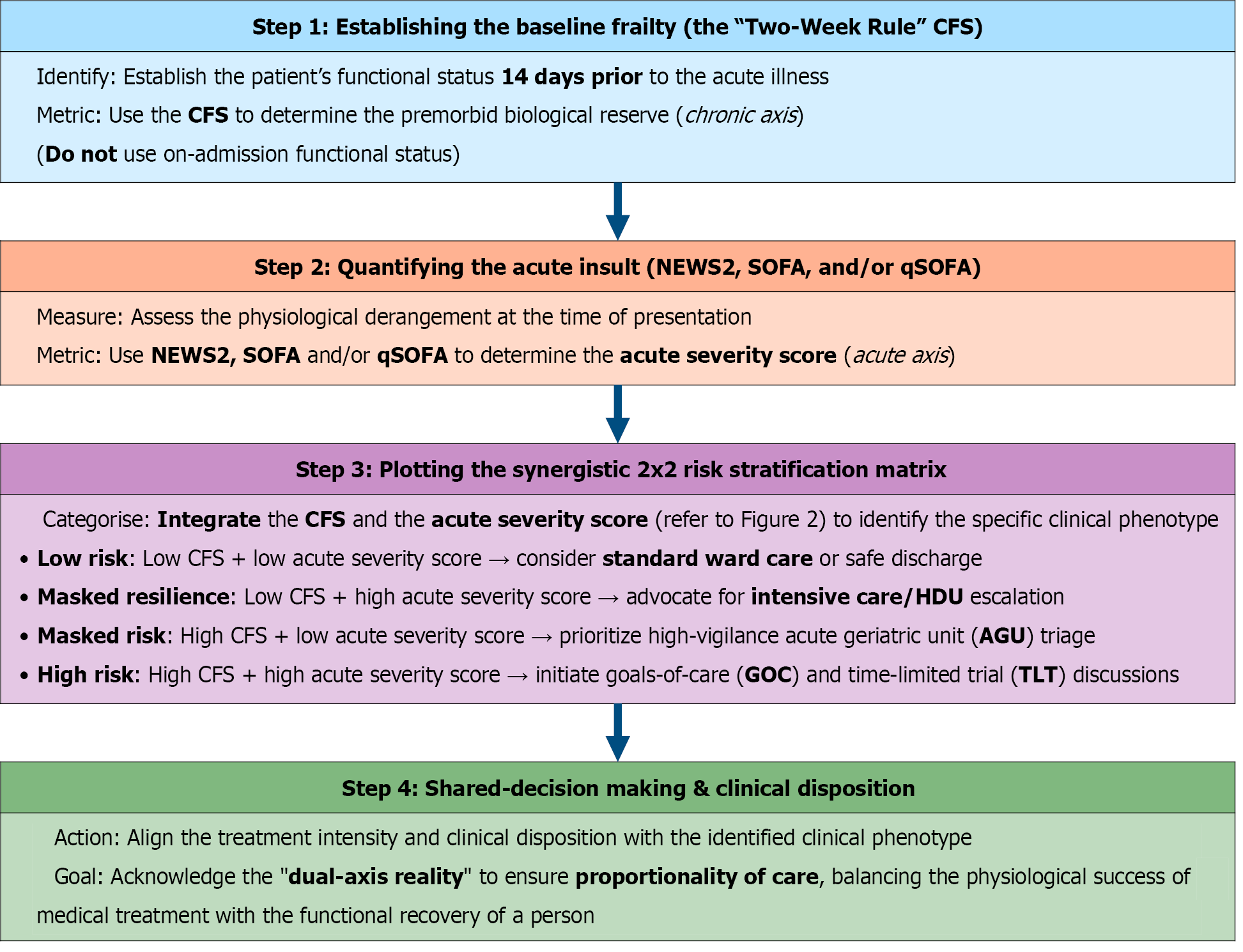
Figure 3 Proposed 4-step clinical triage algorithm for acute geriatric care.
The algorithm dictates integration of the “Two-Week Rule” (baseline Clinical Frailty Scale) and acute physiological derangement (National Early Warning Score 2, Sequential Organ Failure Assessment and/or quick SOFA) to guide phenotype-driven triage and shared decision-making. CFS: Clinical Frailty Scale; NEWS2: National Early Warning Score 2; SOFA: Sequential Organ Failure Assessment; qSOFA: Quick Sequential Organ Failure Assessment; HDU: High dependency unit; AGU: Acute geriatric unit; GOC: Goals-of-care; TLT: Time-limited trial.
- Citation: Khaw MJ, Chin WV. Integrating frailty and acute illness severity scoring for risk stratification in acute geriatric care: Review and practical guide. World J Crit Care Med 2026; 15(3): 120866
- URL: https://www.wjgnet.com/2220-3141/full/v15/i3/120866.htm
- DOI: https://dx.doi.org/10.5492/wjccm.120866