
















Copyright: ©Author(s) 2026.
World J Clin Oncol. Oct 24, 2026; 17(10): 123273
Published online Oct 24, 2026. doi: 10.5306/wjco.123273
Published online Oct 24, 2026. doi: 10.5306/wjco.123273
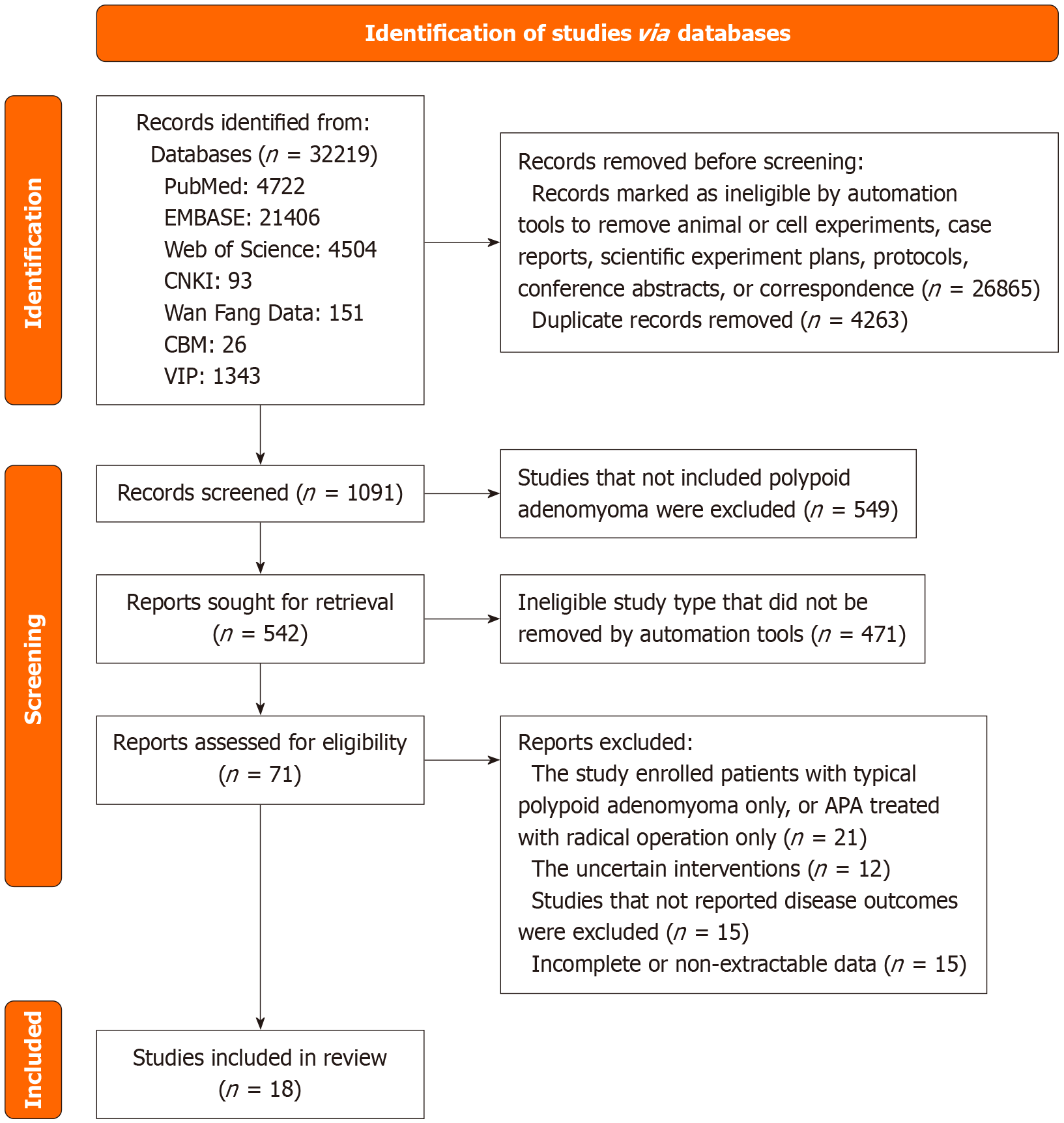
Figure 1 The flow diagram of study inclusion.
CNKI: China National Knowledge Infrastructure; CBM: Chinese BioMedical Literature Database; VIP: China Science and Technology Journal Database; APA: Atypical polypoid adenomyoma.
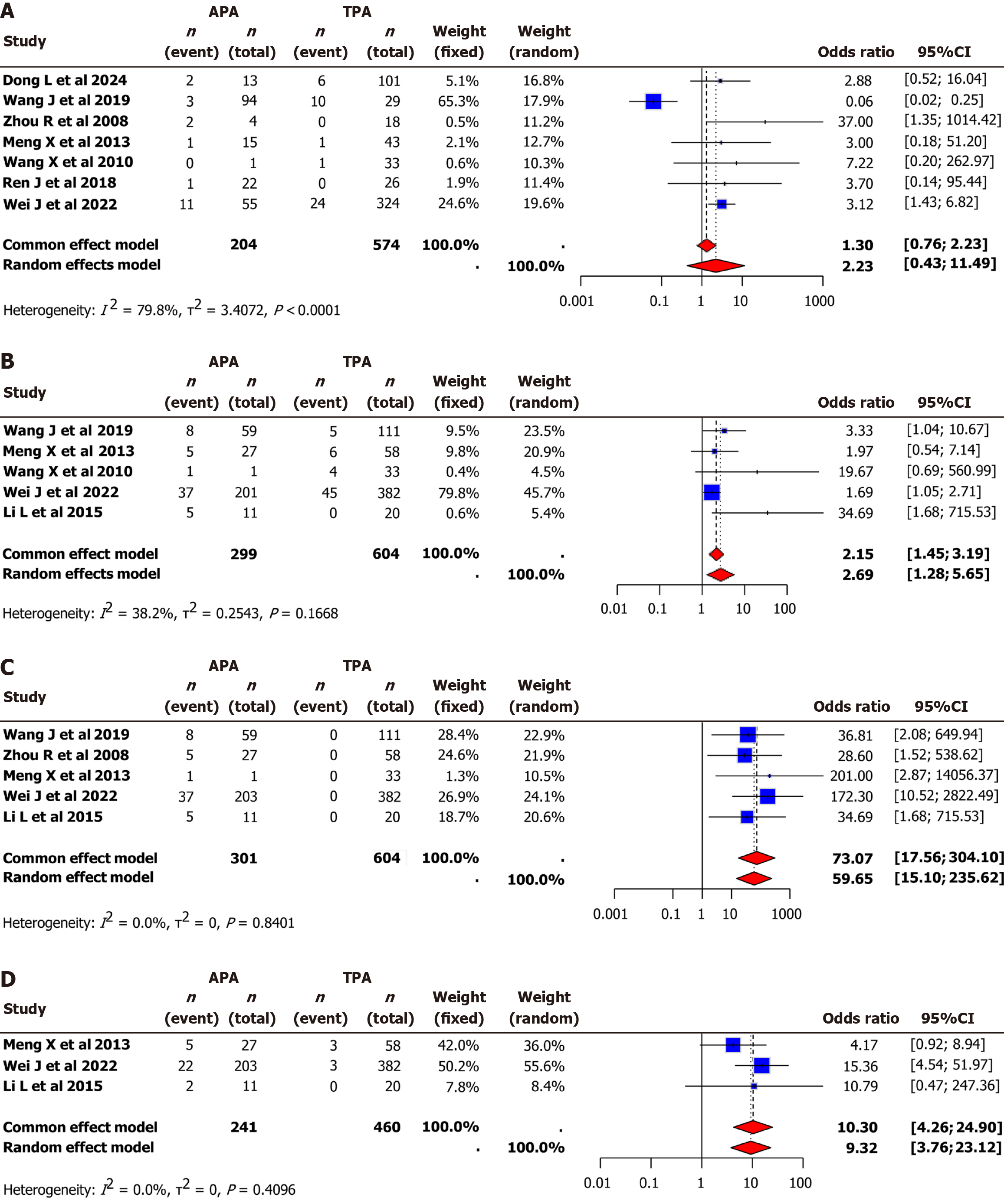
Figure 2 Comparison of clinical outcomes in patients with atypical polypoid adenomyoma and typical polypoid adenomyoma.
A: Recurrence rates; B: Concurrent endometrial non-atypical hyperplasia rates; C: Concurrent endometrial atypical hyperplasia rates; D: Concurrent endometrial cancer. APA: Atypical polypoid adenomyoma; TPA: Typical polypoid adenomyoma; 95%CI: 95% confidence interval.
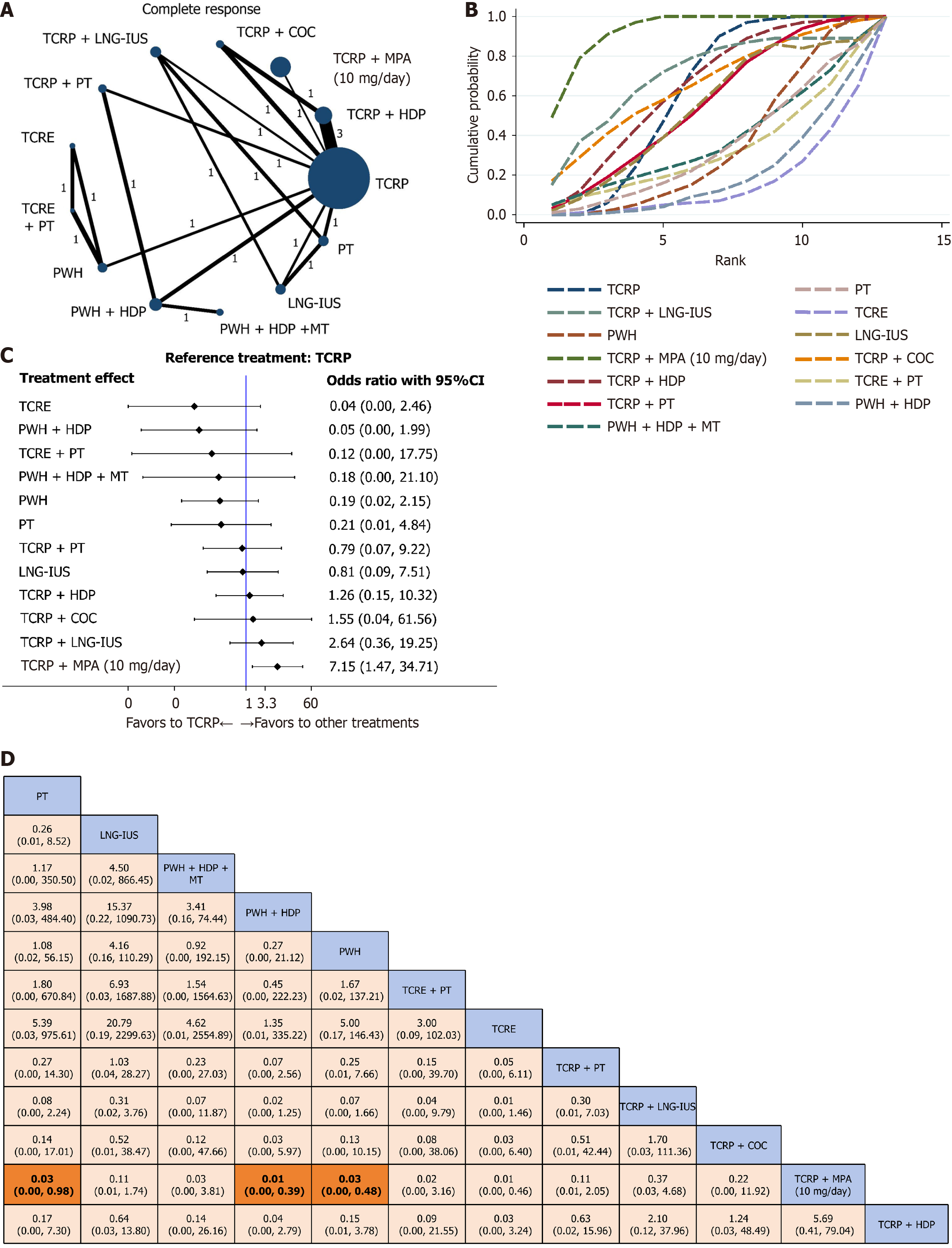
Figure 3 Network meta-analysis of conservative treatments for complete response rates in patients with atypical polypoid adenomyoma.
A: Network structure showing treatment groups, with circle size indicating patient numbers and line thickness representing study comparisons; B: Rankings of interventions based on surface under the cumulative ranking curve analysis; C: Forest plot of achieving complete response for each treatment compared to transcervical resection of polyps; D: Net league diagram comparing treatment effectiveness. TCRP: Transcervical resection of polyps; LNG-IUS: Levonorgestrel-releasing intrauterine system; COC: Combined oral contraceptive; PT: Progesterone therapy; MPA: Medroxyprogesterone acetate; TCRE: Transcervical resection of endometrium; PWH: Polyp resection without hysteroscopy; HDP: High-dose progestin; MT: Hormone maintenance therapy; 95%CI: 95% confidence interval.
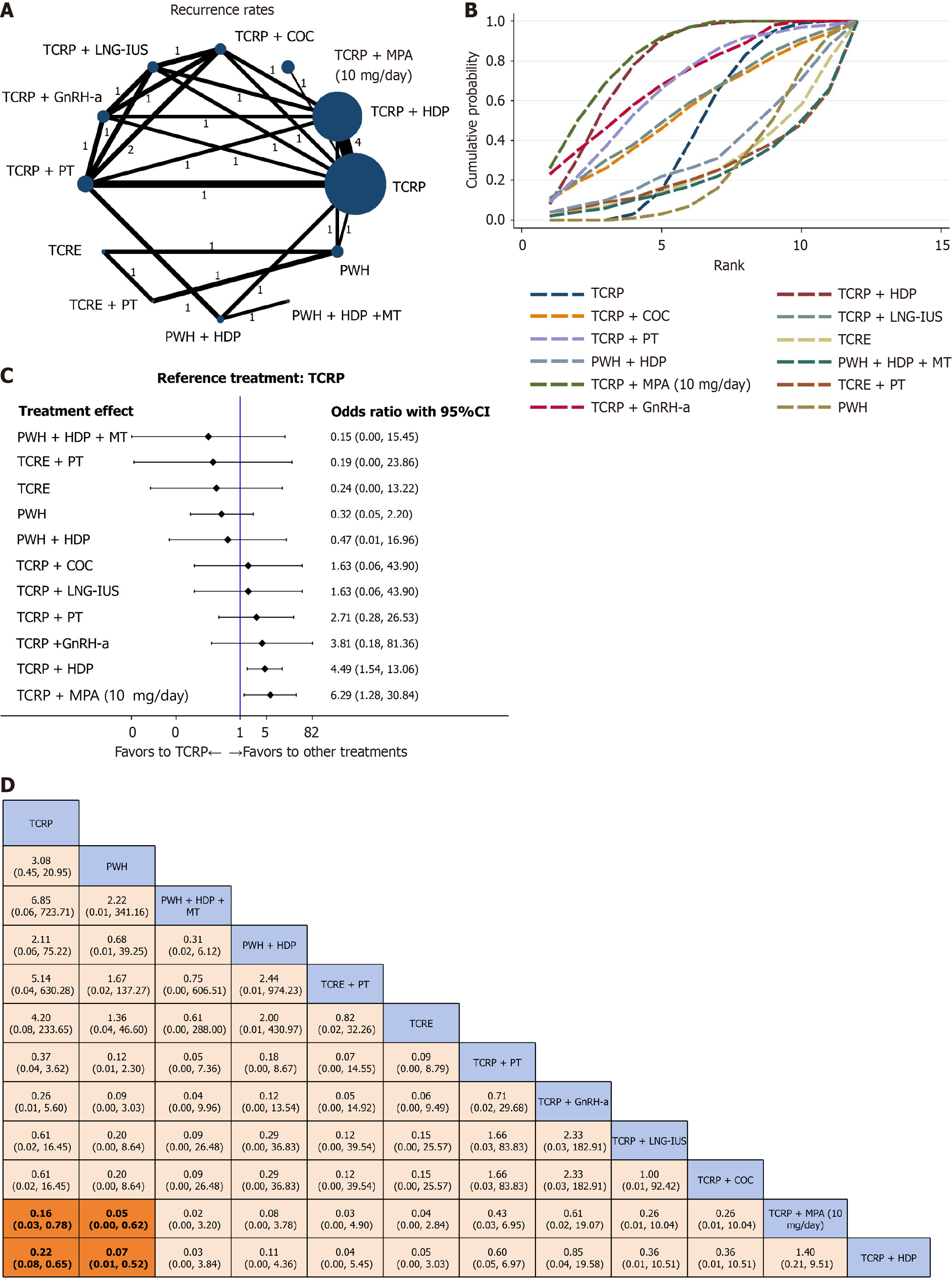
Figure 4 Network meta-analysis of conservative treatments for reducing recurrence rates in patients with atypical polypoid ade
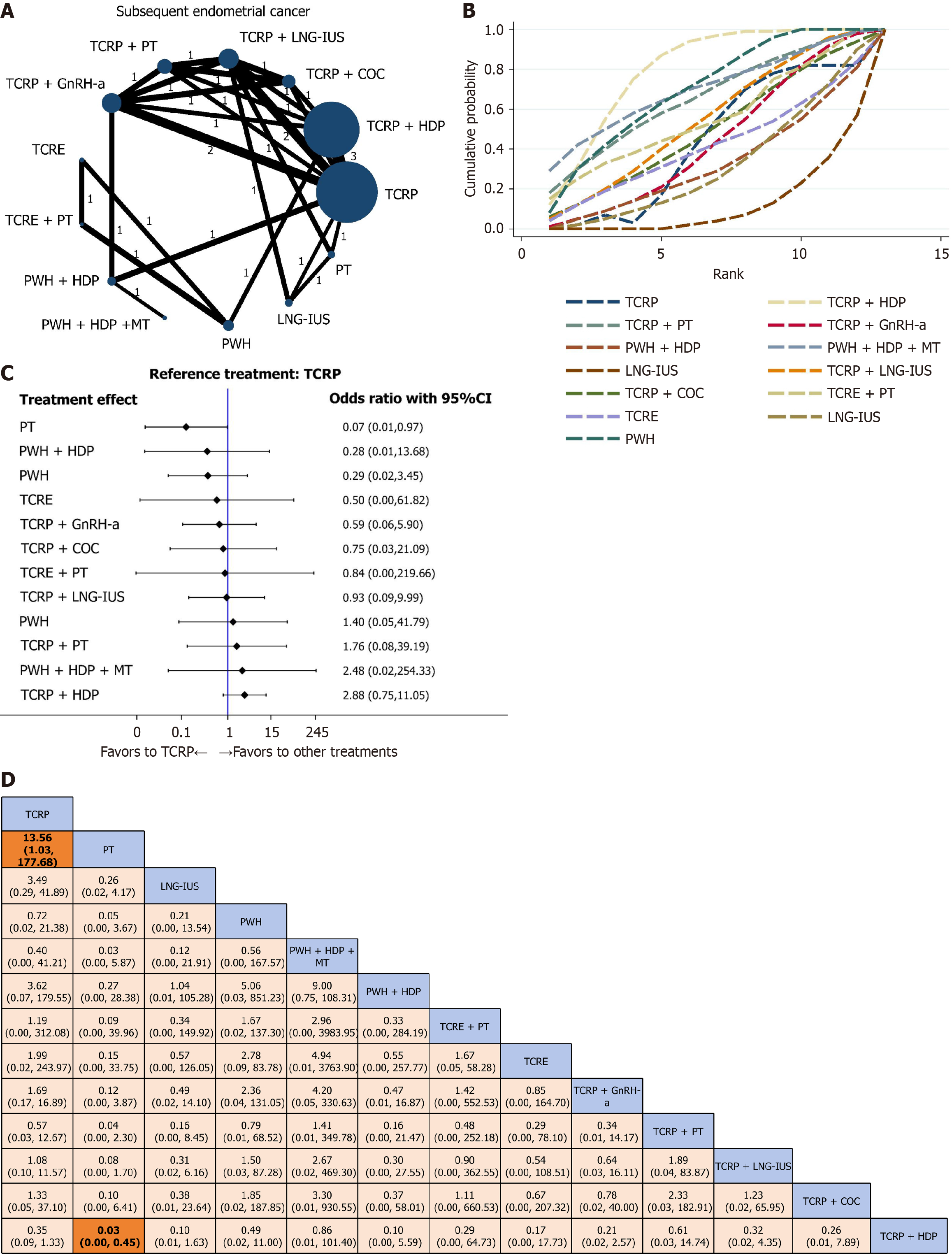
Figure 5 Network meta-analysis of conservative treatments for inhibition of subsequent endometrial cancer in patients with atypical polypoid adenomyoma.
A: Network structure of treatments; B: Rankings of interventions based on their ability to suppress endometrial cancer as indicated by surface under the cumulative ranking curve analysis; C: Forest plot of preventing endometrial cancer for treatments compared to transcervical resection of polyps; D: Net league diagram comparing the effectiveness of any two treatments. TCRP: Transcervical resection of polyps; LNG-IUS: Levonorgestrel-releasing intrauterine system; COC: Combined oral contraceptive; PT: Progesterone therapy; TCRE: Transcervical resection of endometrium; HDP: High-dose progestin; MT: Hormone maintenance therapy; PWH: Polyp resection without hysteroscopy; GnRH-a: Gonadotrophin-releasing hormone agonist; 95%CI: 95% confidence interval.
- Citation: Huang JZ, Liu X, Deng YW, Wei CN, Tang SL, Zhi ZF. Endometrial polypoid adenomyoma outcomes and fertility-sparing treatments efficacy for atypical type: A systematic review and network meta-analysis. World J Clin Oncol 2026; 17(10): 123273
- URL: https://www.wjgnet.com/2218-4333/full/v17/i10/123273.htm
- DOI: https://dx.doi.org/10.5306/wjco.123273