
















Copyright: ©Author(s) 2026.
World J Gastrointest Pharmacol Ther. Sep 5, 2026; 17(3): 120122
Published online Sep 5, 2026. doi: 10.4292/wjgpt.120122
Published online Sep 5, 2026. doi: 10.4292/wjgpt.120122
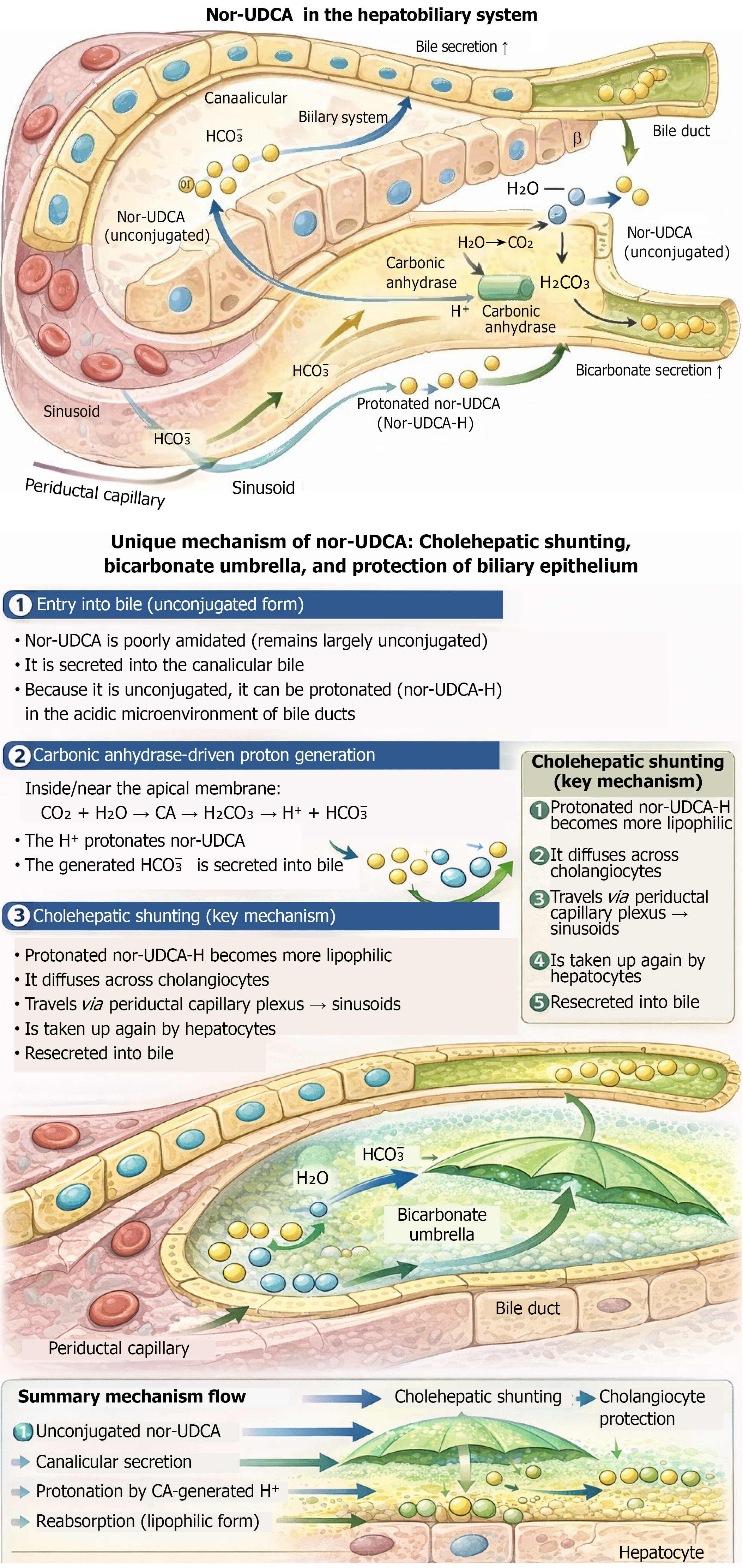
Figure 1 Effects of nor-ursodeoxycholic acid in the hepatobiliary system.
Nor-ursodeoxycholic acid stimulates choleresis and bicarbonate secretion. An unconjugated fraction of nor-ursodeoxycholic acid is secreted into the canalicular biliary system and protonated by hydrogen ions. Hydrogen is generated from carbonic acid, which is synthesised from the hydration of luminal carbon dioxide by carbonic anhydrase. Protonated bile acids are absorbed and generate bicarbonate ions. The bile acid diffuses through cholangiocytes and returns to sinusoids via periductal capillary channels and is secreted into bile. UDCA: Ursodeoxycholic acid; CA: Carbonic anhydrase.
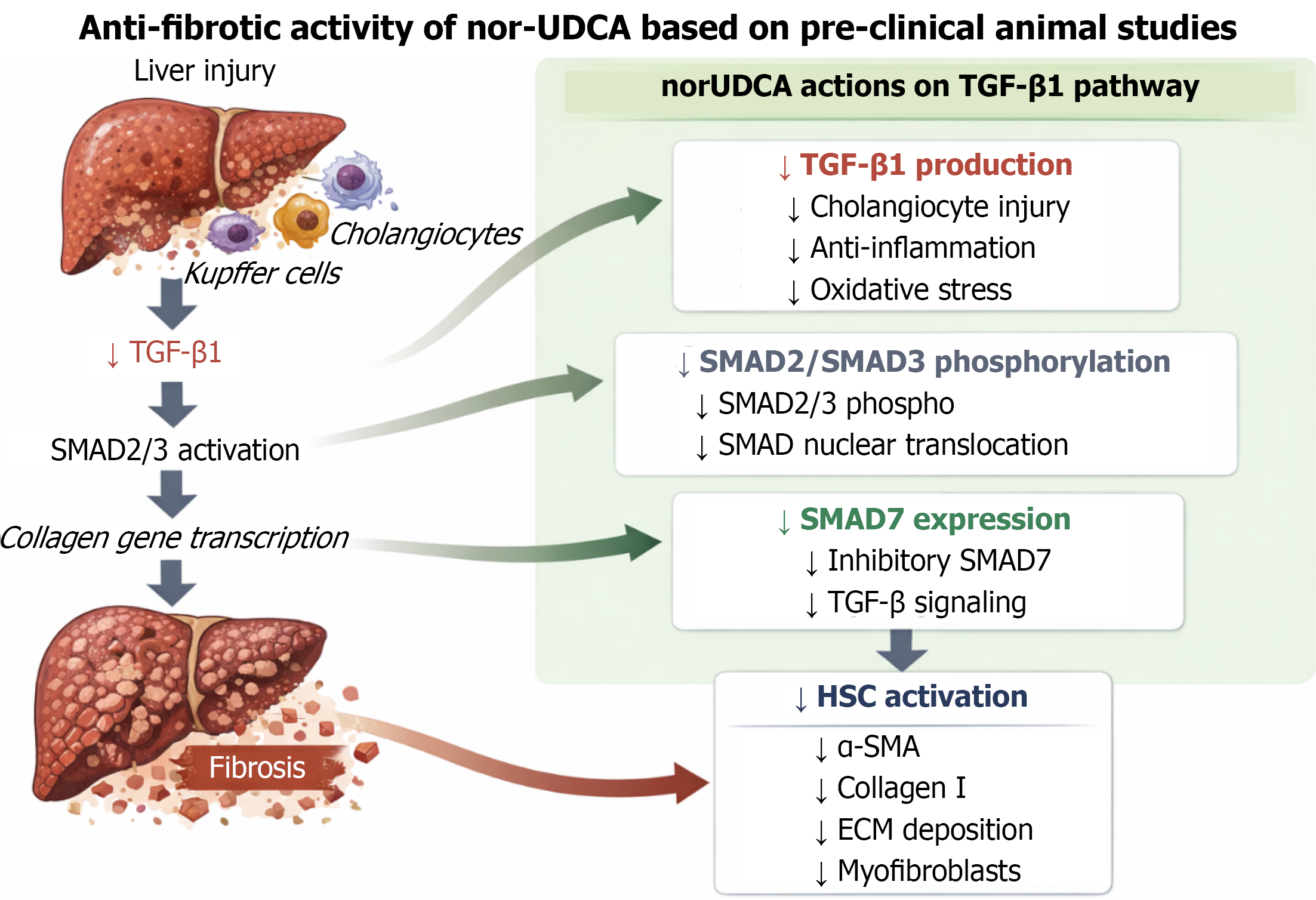
Figure 2 The antifibrotic effects of nor-ursodeoxycholic acid are attributable to its suppressive effects on the transforming growth factor-β-small mothers against decapentaplegic pathway.
Suppressing hepatic stellate cell, it inhibits collagen synthesis and attenuates fibrosis. UDCA: Ursodeoxycholic acid; TGF: Transforming growth factor; SMAD: Small mothers against decapentaplegic; SMA: Smooth muscle actin; ECM: Extracellular matrix.
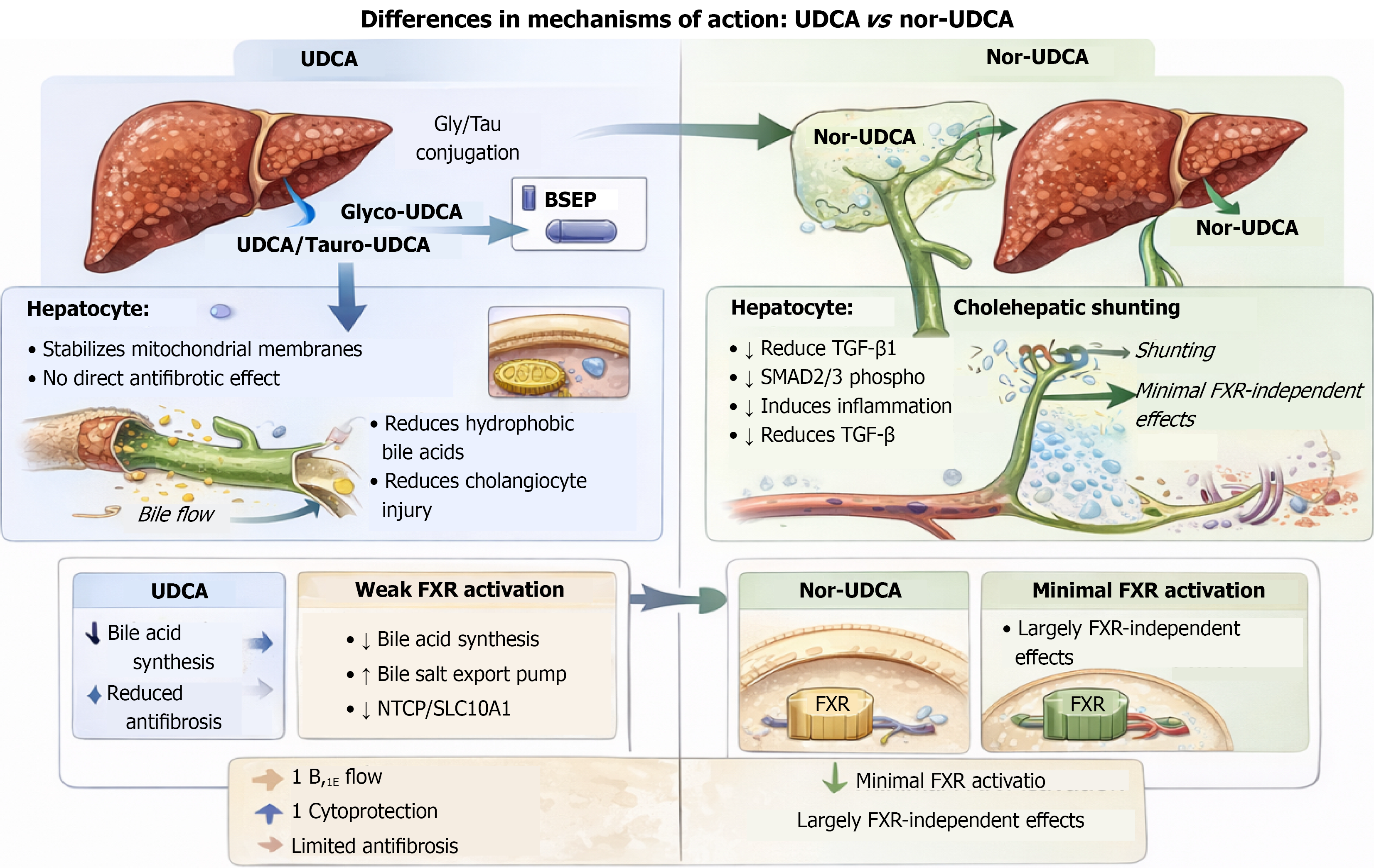
Figure 3 The key differences between ursodeoxycholic acid and nor-ursodeoxycholic acid lie in the degree of cholehepatic shunt, bio
- Citation: Malakar S, Sood N, Giri S, Samanta A. Nor-ursodeoxycholic acid in hepatobiliary diseases: A narrative review. World J Gastrointest Pharmacol Ther 2026; 17(3): 120122
- URL: https://www.wjgnet.com/2150-5349/full/v17/i3/120122.htm
- DOI: https://dx.doi.org/10.4292/wjgpt.120122