
















Copyright: ©Author(s) 2026.
World J Stem Cells. Sep 26, 2026; 18(9): 125409
Published online Sep 26, 2026. doi: 10.4252/wjsc.125409
Published online Sep 26, 2026. doi: 10.4252/wjsc.125409
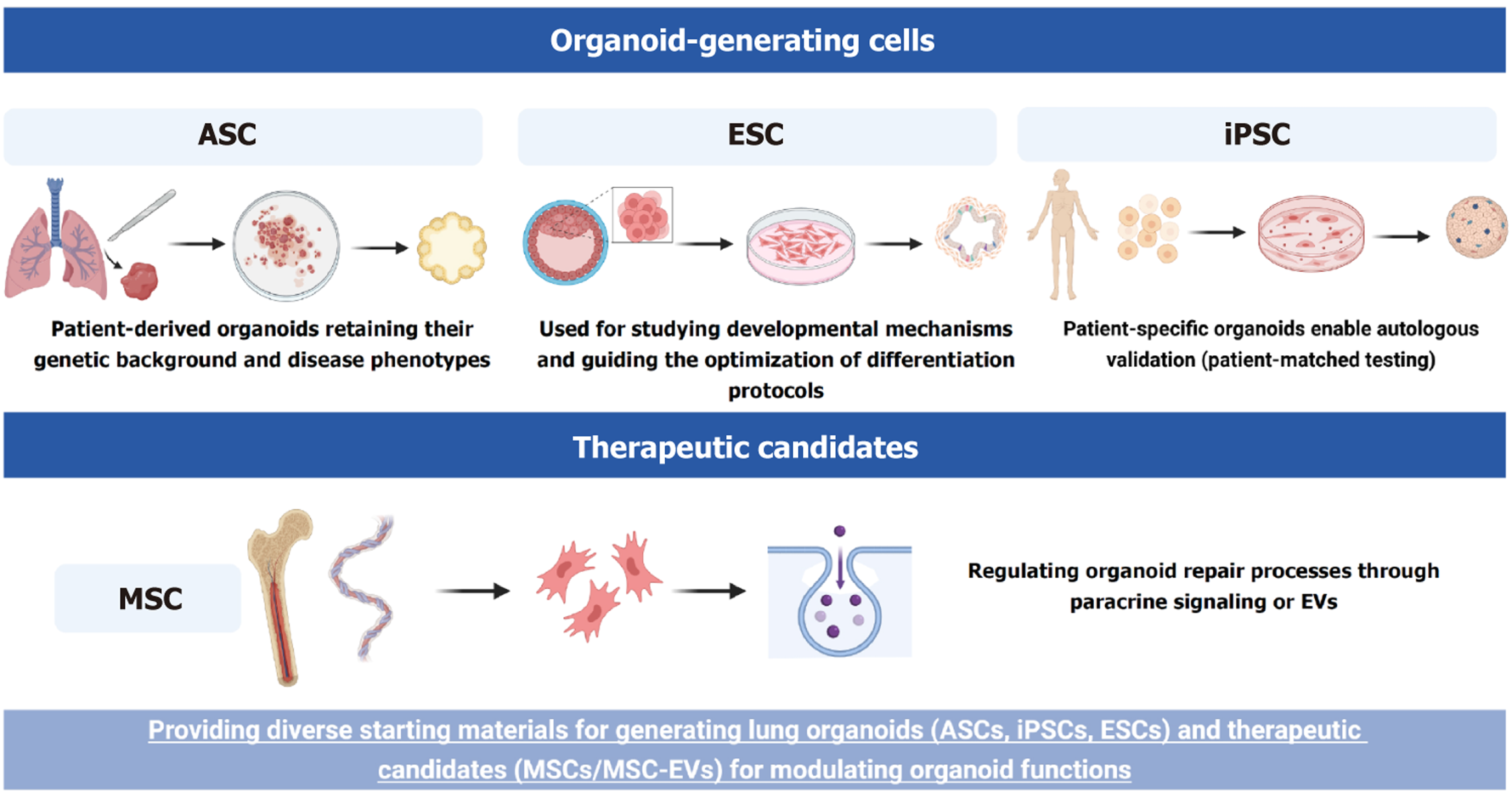
Figure 1 Stem cell sources for lung organoid generation and the role of mesenchymal stromal cells as therapeutic modulators.
This figure presents a conceptual schematic distinguishing two distinct categories of cells relevant to lung organoid research. Left side: Major stem cell sources used for lung organoid generation - including adult stem cells, induced pluripotent stem cells, and embryonic stem cells. Right side: Mesenchymal stromal cells are not used as starting cells for epithelial lung organoid formation. This is a conceptual framework proposed by the authors, not an evidence-based algorithm. ASC: Adult stem cell; iPSC: Induced pluripotent stem cell; ESC: Embryonic stem cell; MSC: Mesenchymal stromal cell; EVs: Extracellular vesicles.
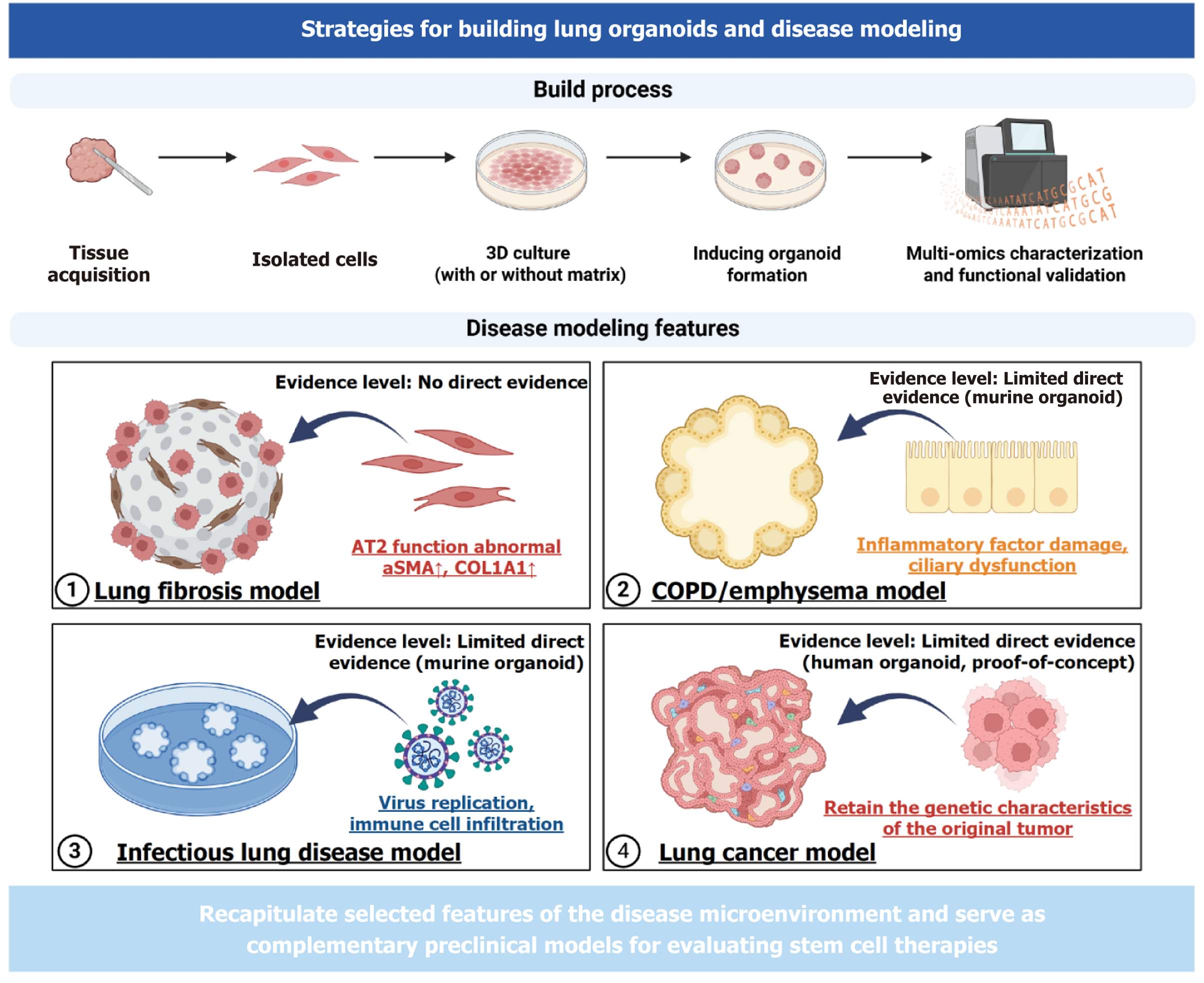
Figure 2 Strategies for lung organoid construction and disease modeling.
This figure presents a proposed conceptual workflow for generating lung organoids from different stem cell sources and their application in modeling pulmonary diseases. 3D: Three-dimensional; AT2: Alveolar type 2; αSMA: Alpha-smooth muscle actin; COL1A1: Collagen type 1 alpha 1; COPD: Chronic obstructive pulmonary disease.
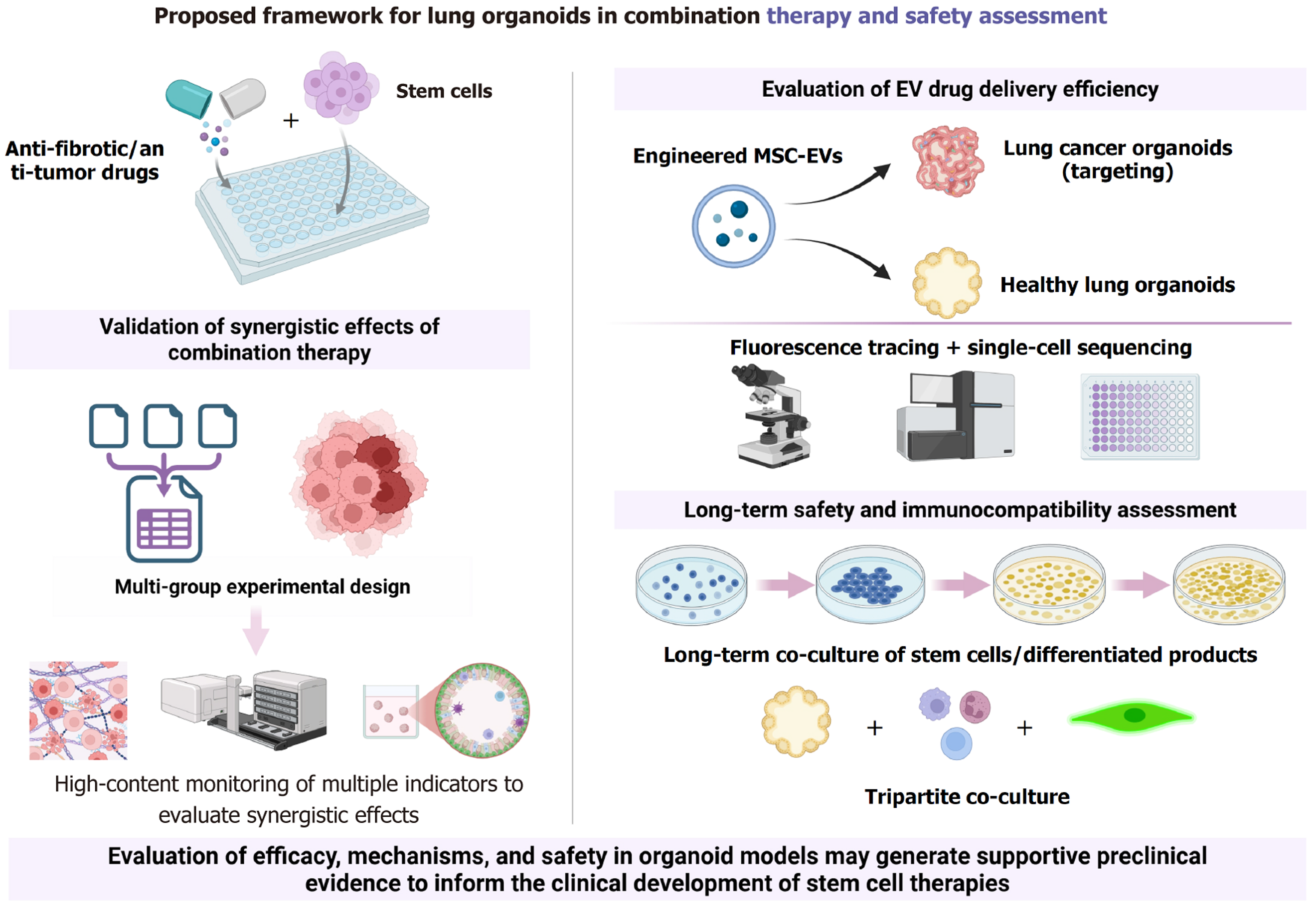
Figure 3 Proposed framework for lung organoids in combination therapy and safety assessment.
This figure presents a conceptual model for how lung organoids may be applied to evaluate combination and key safety domains. EV: Extracellular vesicle; MSC: Mesenchymal stromal cell.
- Citation: Yang LY, Xing YF, Chen JY, Cao ZM, Ye H. Lung organoids for preclinical evaluation of stem cell therapies: Opportunities, evidence, and translational challenges. World J Stem Cells 2026; 18(9): 125409
- URL: https://www.wjgnet.com/1948-0210/full/v18/i9/125409.htm
- DOI: https://dx.doi.org/10.4252/wjsc.125409