
















Copyright: ©Author(s) 2026.
World J Gastroenterol. Dec 28, 2026; 32(48): 123934
Published online Dec 28, 2026. doi: 10.3748/wjg.123934
Published online Dec 28, 2026. doi: 10.3748/wjg.123934
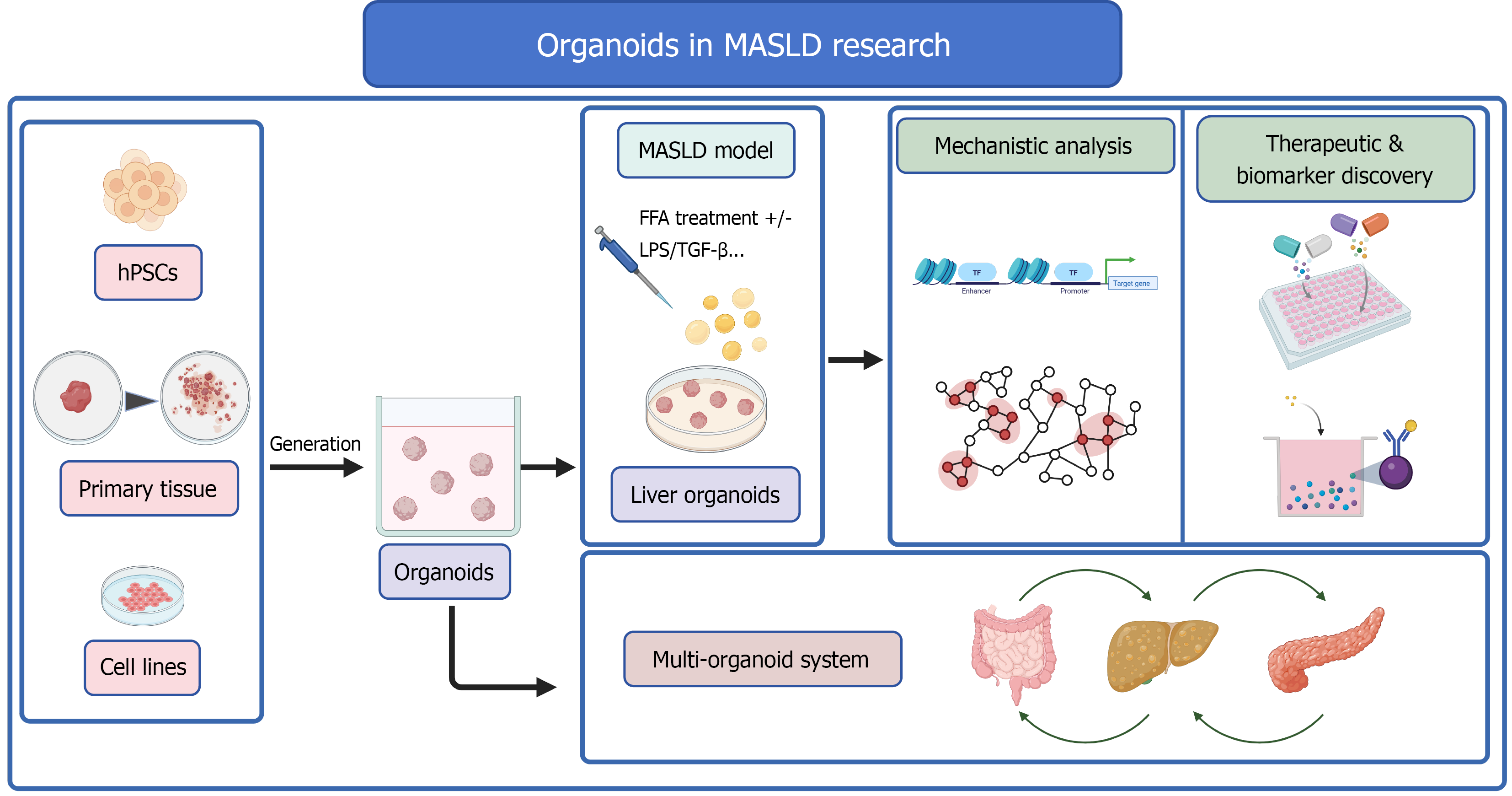
Figure 1 Schematic of liver organoids in metabolic dysfunction-associated steatotic liver disease research.
MASLD: Metabolic dysfunction-associated steatotic liver disease; hPSCs: Human pluripotent stem cells; FFA: Free fatty acids; LPS: Lipopolysaccharide; TGF-β: Transforming growth factor-β.
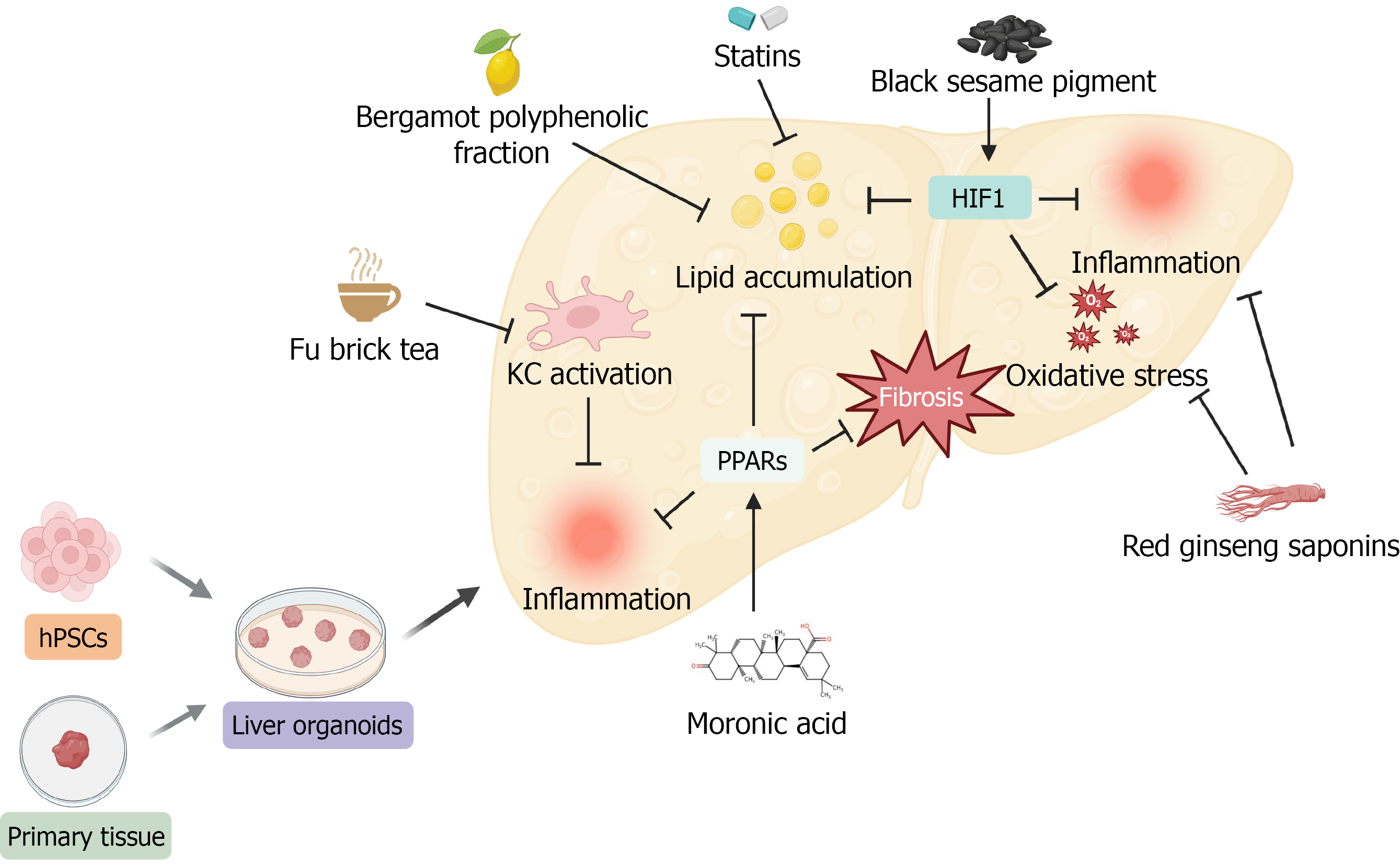
Figure 2 Core drugs and phytotherapies for metabolic dysfunction-associated steatotic liver disease validated in liver organoid models.
HIF-1: Hypoxia-inducible factor 1; hPSCs: Human pluripotent stem cells; KC: Kupffer cell; PPARs: Peroxisome proliferator-activated receptors.
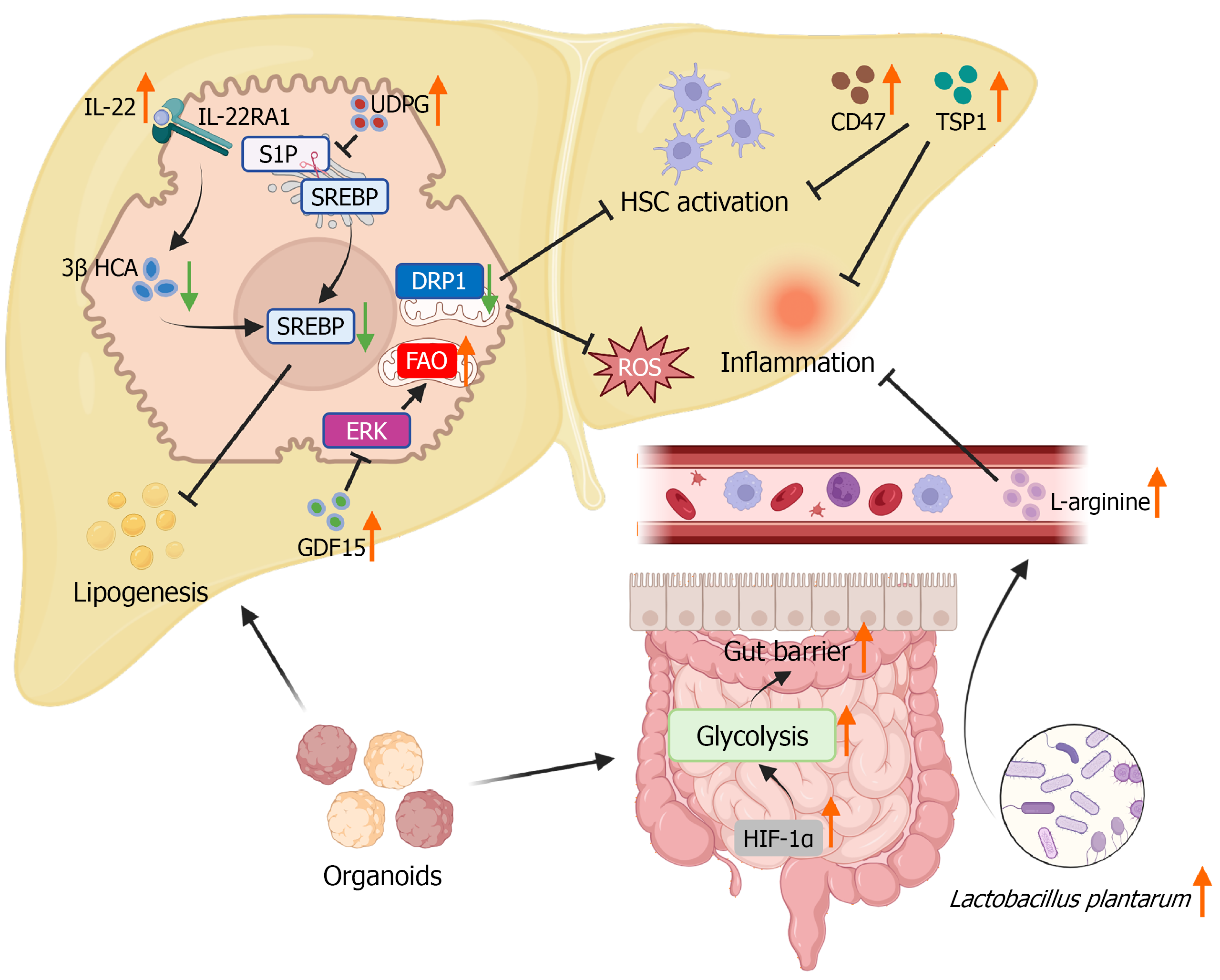
Figure 3 Main key protective mechanisms against metabolic dysfunction-associated steatotic liver disease revealed in liver organoid studies.
IL-22: Interleukin-22; IL-22RA1: Interleukin-22 receptor subunit alpha-1; UDPG: Uridine diphosphate glucose; S1P: Site-1 protease; SREBP: Sterol regulatory element-binding protein; 3β HCA: 3 beta-hydroxy-5-cholestenoic acid; DRP1: Dynamin-related protein 1; FAO: Fatty acid oxidation; ERK: Extracellular signal-regulated kinase; GDF15: Growth differentiation factor 15; TSP1: Thrombospondin 1; HSC: Hepatic stellate cell; ROS: Reactive oxygen species; HIF-1α: Hypoxia-inducible factor 1 alpha.
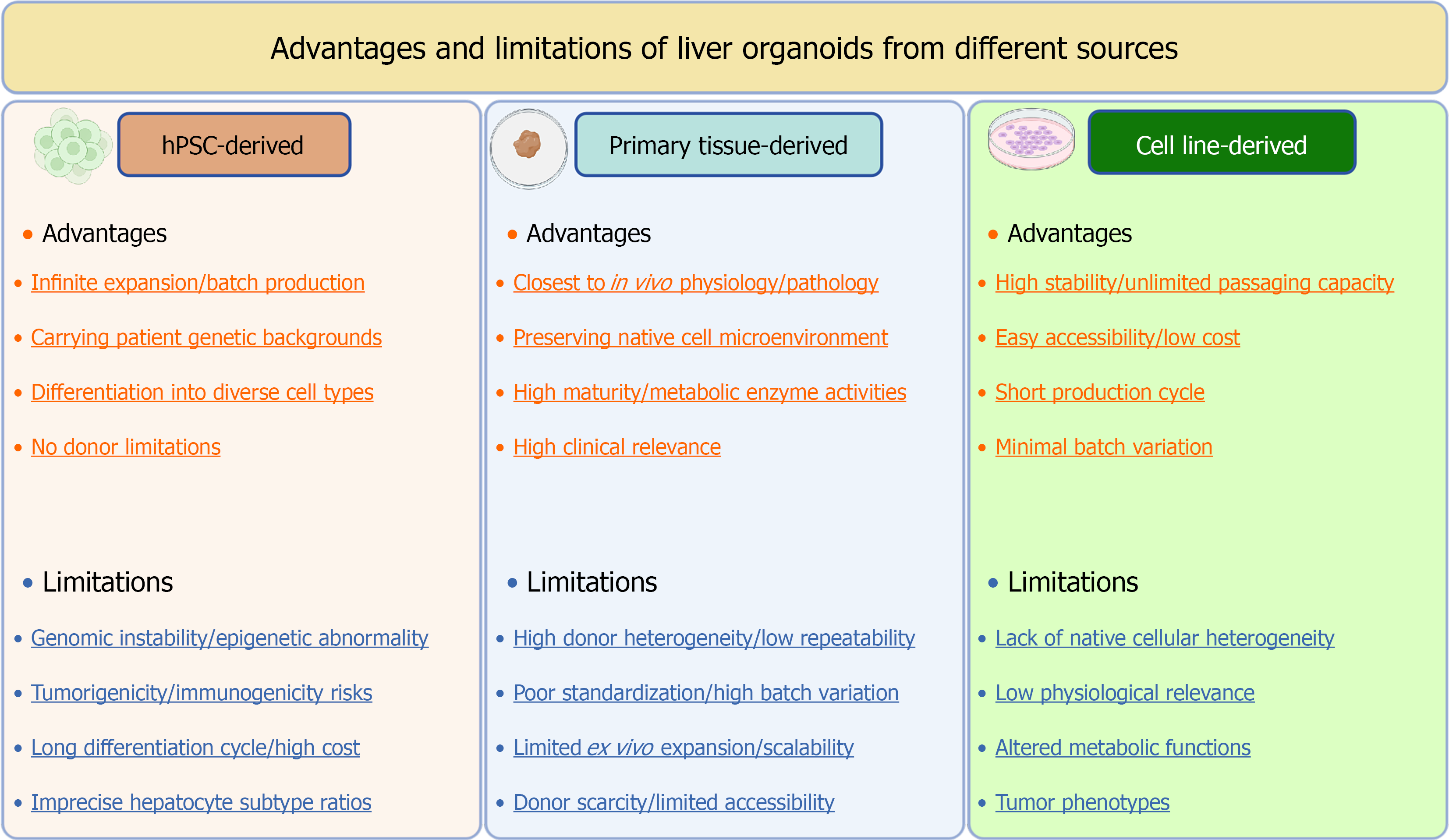
Figure 4 Main advantages and limitations of liver organoids from different sources.
hPSC: Human pluripotent stem cell.
- Citation: Xue HY, Ren TY, Pan Q, Fan JG. Organoids as preclinical platforms for metabolic dysfunction-associated steatotic liver disease: Model construction, mechanistic dissection, and therapeutic translation. World J Gastroenterol 2026; 32(48): 123934
- URL: https://www.wjgnet.com/1007-9327/full/v32/i48/123934.htm
- DOI: https://dx.doi.org/10.3748/wjg.123934