
















Copyright: ©Author(s) 2026.
World J Gastroenterol. Sep 14, 2026; 32(34): 118510
Published online Sep 14, 2026. doi: 10.3748/wjg.118510
Published online Sep 14, 2026. doi: 10.3748/wjg.118510
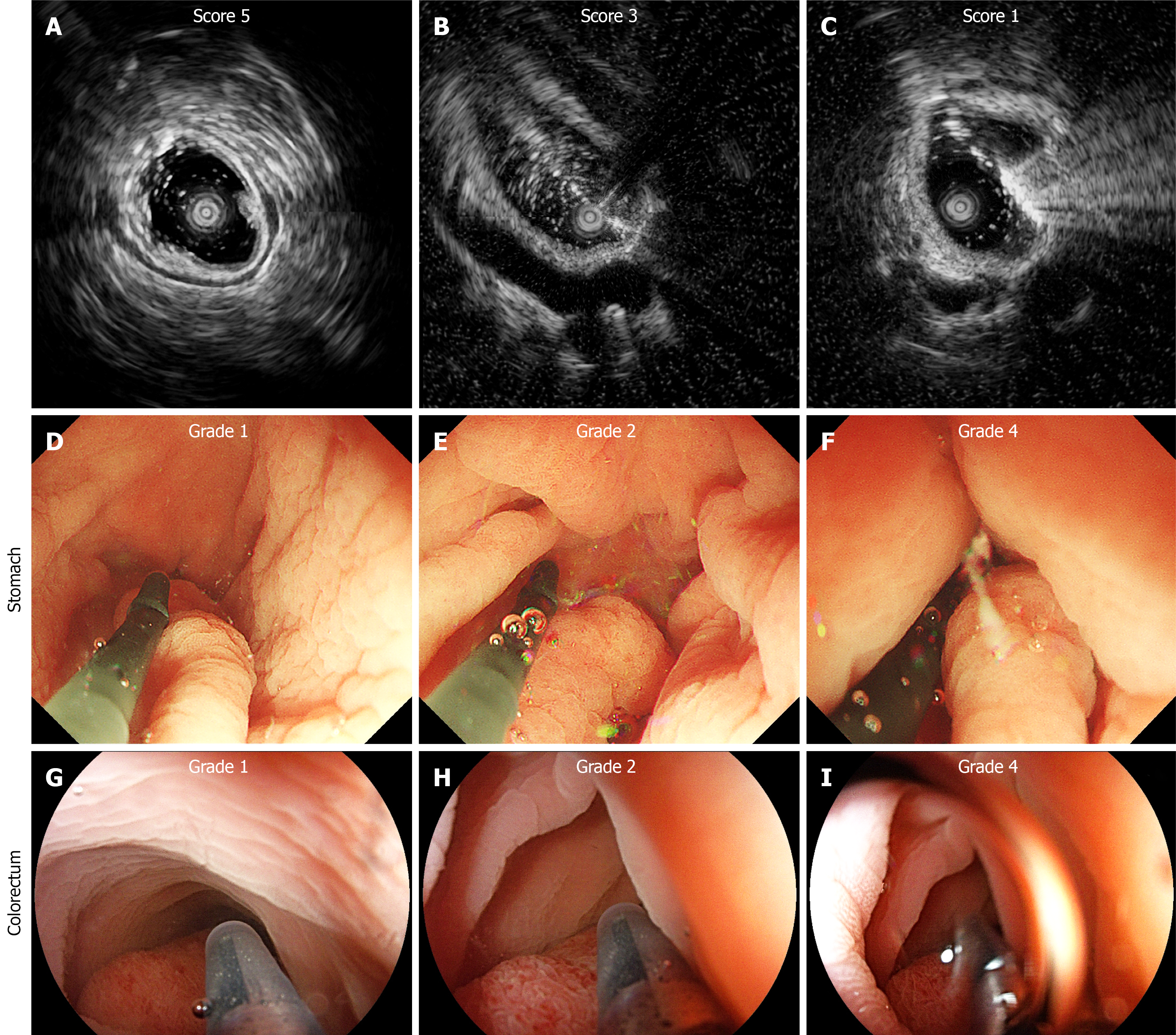
Figure 1 Image quality assessment.
A: Score 5, image contains no air artefact, and the assessment of lesion size and characteristics is uncompromised; B: Score 3, image contains air artefact, mildly compromising the assessment of lesion size and characteristics; C: Score 1, image contains severe air artefact, and the lesion of interest cannot be seen; D-F: Gastric antrum peristalsis after water infusion. Grade 1, no peristalsis (D); grade 2, mild peristalsis (E); grade 4, vigorous peristalsis (F); G-I: Colorectal peristalsis after water infusion. Grade 1, no peristalsis (G); grade 2, mild peristalsis (H); grade 4, vigorous peristalsis (I).
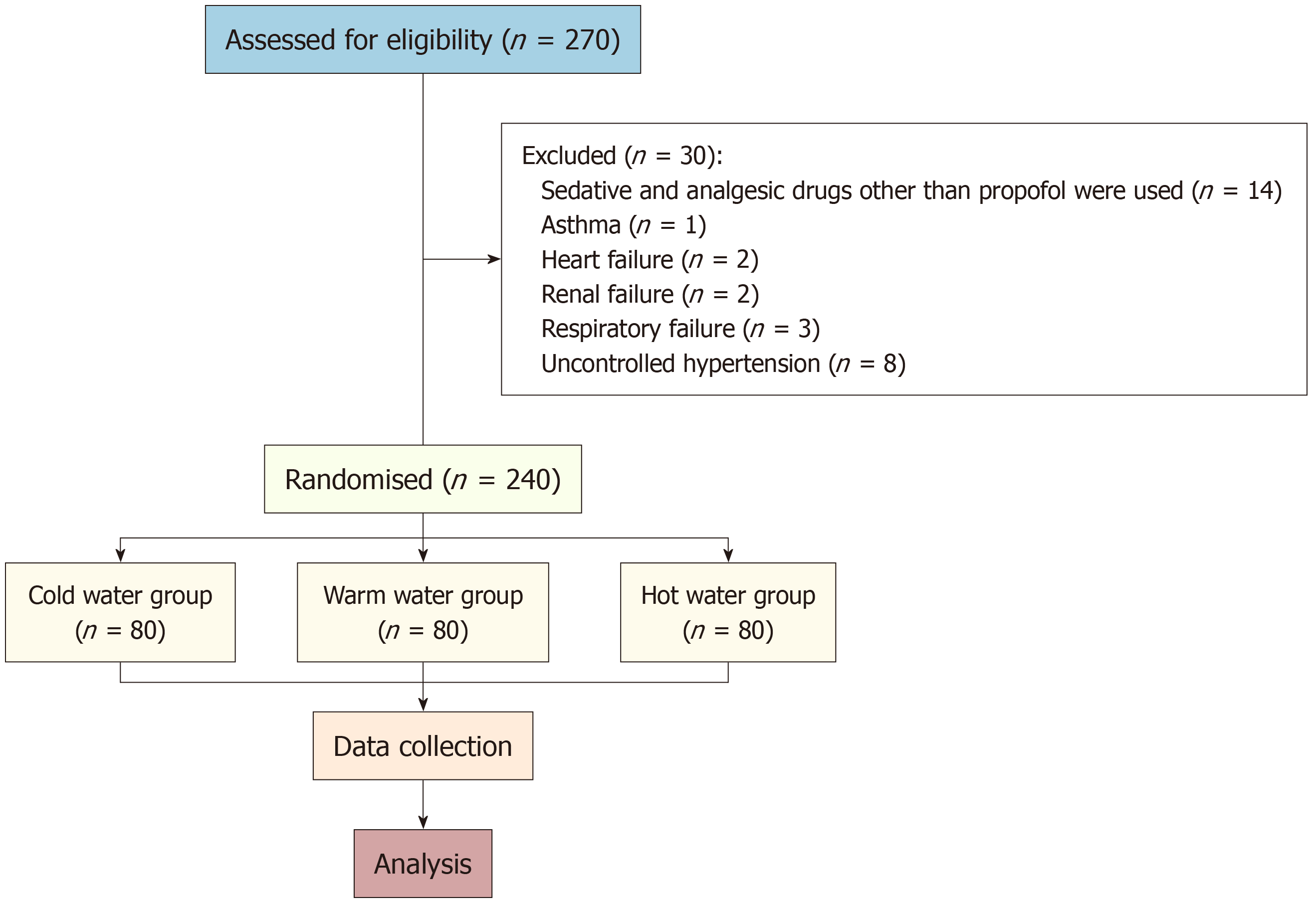
Figure 2
Allocation of participants showing the flow of patients through the study from screening to final analysis according to the CONSORT 2010 statement.
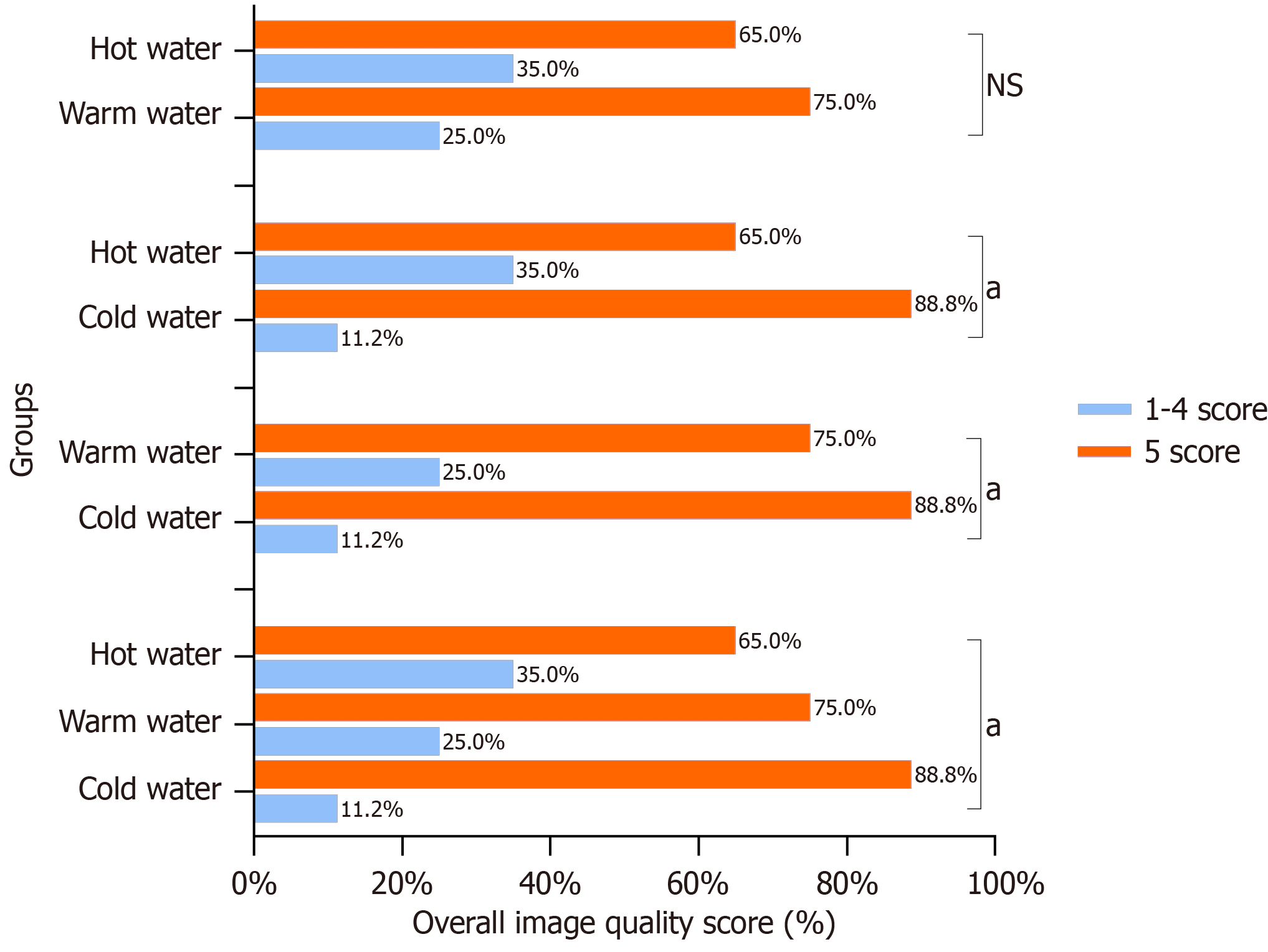
Figure 3 Comparison of the overall image quality scores of the three groups.
aP < 0.0125 (Bonferroni-corrected significance threshold). NS: Not significant.
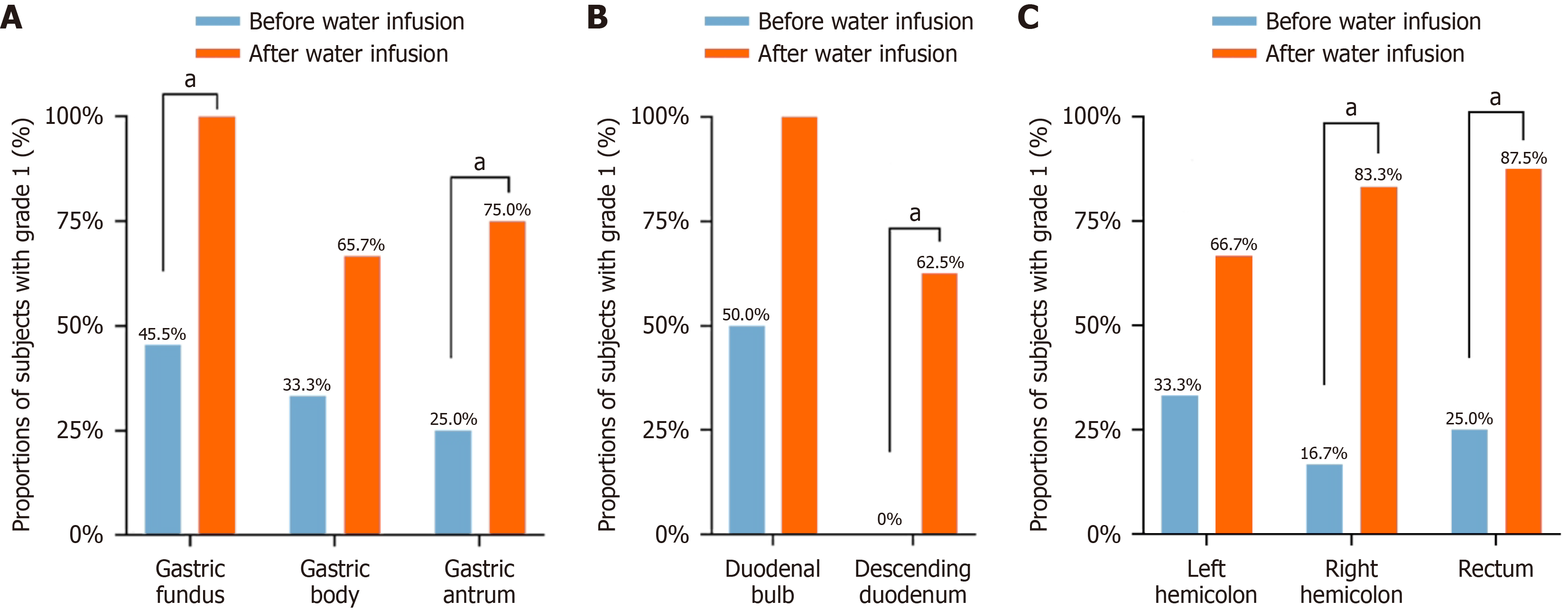
Figure 4 Comparison of peristaltic grade in the cold water group (grade 1 no peristalsis).
A: The proportion of peristalsis grade 1 before and after water infusion in the stomach; B: The proportion of peristalsis grade 1 before and after water infusion in the duodenum; C: The proportion of peristalsis grade 1 before and after water infusion in the colorectum. aP < 0.05.
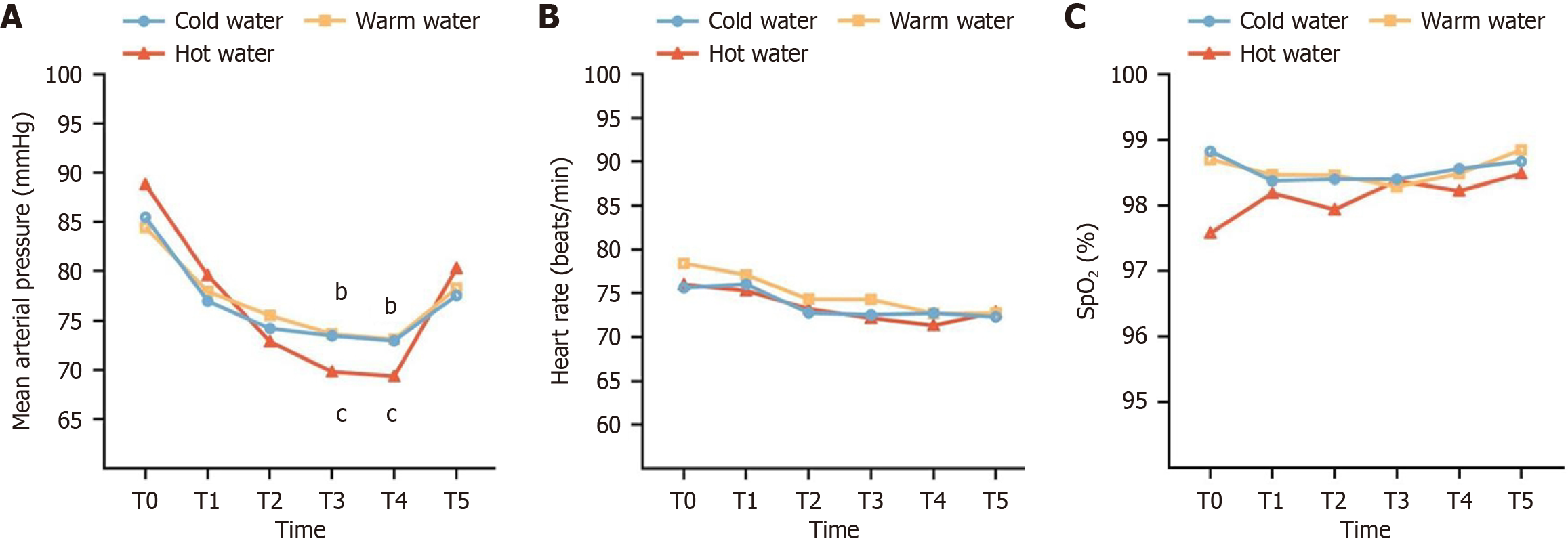
Figure 5 Haemodynamic changes in the three groups.
A: Mean arterial pressure at different time points; B: Heart rate at different time points; C: Oxygen saturation at different time points. bP < 0.05 the cold vs hot groups, cP < 0.05 the warm vs hot groups. SpO2: Oxygen saturation.
- Citation: Mao XY, Ye MM, Yu XY, Liao JT, Hu Y, Guo M, Zeng B, Li J, Peng L, Hu WF, Liu H, Gong P, Long Y, Wang XY, Tian L. Cold water infusion enhances image quality in sedated miniprobe endoscopic ultrasonography: A prospective, multicenter, double-blind, randomized trial. World J Gastroenterol 2026; 32(34): 118510
- URL: https://www.wjgnet.com/1007-9327/full/v32/i34/118510.htm
- DOI: https://dx.doi.org/10.3748/wjg.118510