
















Copyright: ©Author(s) 2026.
World J Crit Care Med. Sep 9, 2026; 15(3): 120314
Published online Sep 9, 2026. doi: 10.5492/wjccm.120314
Published online Sep 9, 2026. doi: 10.5492/wjccm.120314
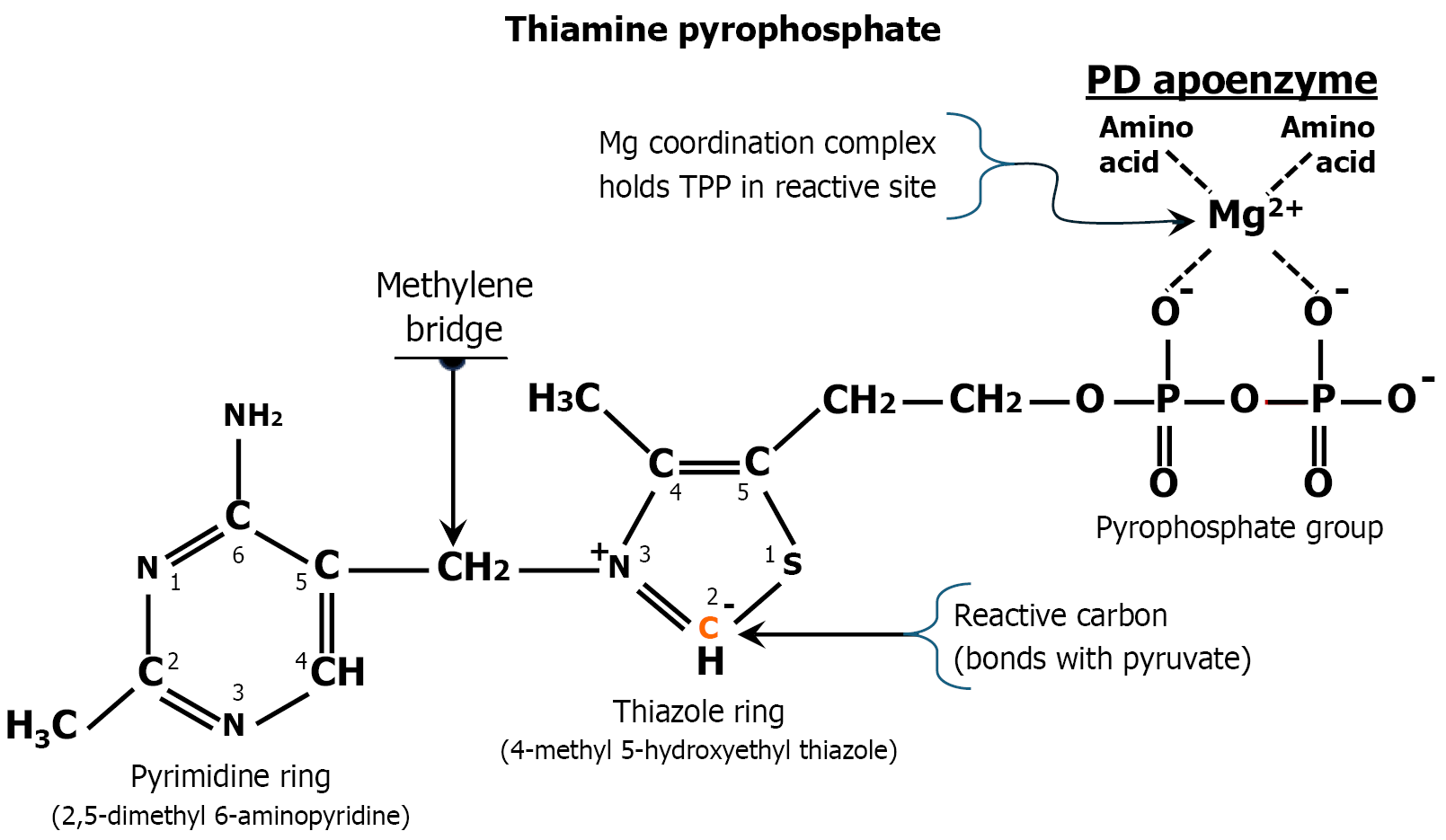
Figure 3 How thiamine or magnesium deficiency predispose to sepsis.
Thiamine (vitamin B1) is transported into cells where it is phosphorylated in the cytoplasm by the addition of two phosphate groups that chelate magnesium (Mg2+) ions. The resulting thiamine pyrophosphate (TPP) is transported into mitochondria where the pyrimidine and thiazole rings provide spatial orientation to localize TPP in the reactive site of the pyruvate dehydrogenase apoenzyme complex (PD apoenzyme), after which the magnesium ions form a coordination complex between peptide side chains of the apoenzyme and the pyrophosphate groups to lock the molecule in place within the reactive site. The precise spatial positioning of thiamine in the reactive site is critical for the subsequent interaction with a negatively charged peptide side chain, which abstracts a proton from the #2 reactive carbon of thiamine’s thiazole ring. The resulting negatively charged reactive carbanion in thiazole’s ring then bonds with pyruvate forming a covalent stabilized transition-state TPP-acetyl complex. This fixation within the active site allows pyruvate to undergo enzymatic oxidative decarboxylation by pyruvate dehydrogenase with the release of one molecule of acetyl-CoA, one molecule of NADH and carbon dioxide gas. The resulting acetyl-CoA then enters the Krebs cycle, where it generates three additional NADH and one FADH2 per cycle. Thiamine is essential for this process to occur, as its absence prevents pyruvate dehydrogenase from capturing pyruvate. Without thiamine, acetyl-CoA synthesis is impaired, disrupting the Krebs cycle and inhibiting the production of NADH and FADH2. This de-energizes the mitochondrial energy flux followed by dissipation of the proton motive force, which compromises the mitochondrial pyruvate carrier and ATP synthase. These disruptions contribute to hyperlactatemia and bioenergetic failure, respectively. Similarly, magnesium deficiency inhibits the binding of thiamine pyrophosphate at the pyruvate dehydrogenase apoenzyme reactive site, resulting in a functional thiamine deficiency despite sufficient thiamine availability. Consequently, thiamine or magnesium deficiency increases susceptibility to sepsis due to dissipation of the proton motive force, as previously described (Figure 1B). The critical role of thiamine in this metabolic process cannot be bypassed. TPP: Thiamine pyrophosphate; PD: Pyruvate dehydrogenase.
- Citation: Pravda J. Dissipation of the mitochondrial proton motive force drives sepsis pathogenesis and explains hyperlactatemia’s predictive value in sepsis mortality. World J Crit Care Med 2026; 15(3): 120314
- URL: https://www.wjgnet.com/2220-3141/full/v15/i3/120314.htm
- DOI: https://dx.doi.org/10.5492/wjccm.120314