
















Copyright: ©Author(s) 2026.
World J Gastrointest Oncol. Dec 15, 2026; 18(12): 126440
Published online Dec 15, 2026. doi: 10.4251/wjgo.126440
Published online Dec 15, 2026. doi: 10.4251/wjgo.126440
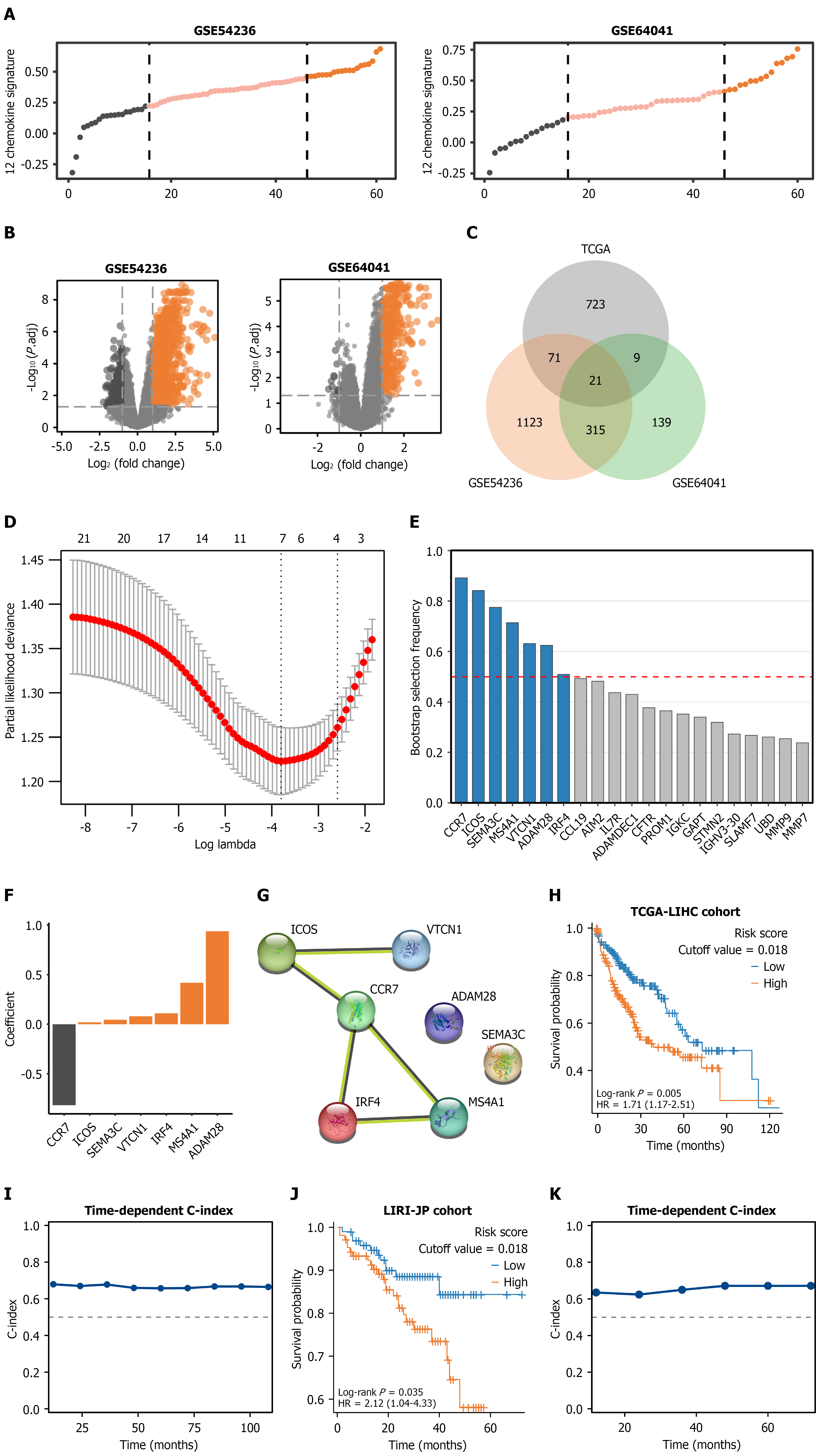
Figure 9 Translation of tertiary lymphoid structure-associated immune programs into prognostic risk stratification.
A: The point plot of samples ranked according to chemokine signature levels in GSE54236 and GSE64041; B: Volcano plot of differentially expressed genes (DEGs) between samples of upper quartile and lower quartile signature levels in GSE54236 and GSE64041; C: The intersection of DEGs from The Cancer Genome Atlas (TCGA) cohort in Figure 8D and GSE54236 and GSE64041 datasets in Figure 9B; D: Cross validation for tuning parameter selection in the least absolute shrinkage and selection operator (LASSO) model; E. The selection frequency of candidate genes based on 1000 Bootstrap resampling tests; F: The LASSO coefficients for each signature gene in the risk signature; G: Protein interaction map for signature genes from the STRING database; H-K: K-M curves of patients stratified by risk model in the TCGA cohort (H) and ICGC cohort (J). Time-dependent C-index analysis of the risk model in the TCGA cohort (I) and ICGC cohort (K). TCGA: The Cancer Genome Atlas; TCGA-LIHC: The Cancer Genome Atlas-Liver Hepatocellular Carcinoma; HR: Hazard ratio.
- Citation: Chen K, Wang YQ, Guo MC, Gu XY, Chen XM, Luo SS, Liu S. Tertiary lymphoid structure-associated chemokine programs define an immune-organized tumor microenvironment with prognostic relevance in hepatocellular carcinoma. World J Gastrointest Oncol 2026; 18(12): 126440
- URL: https://www.wjgnet.com/1948-5204/full/v18/i12/126440.htm
- DOI: https://dx.doi.org/10.4251/wjgo.126440