
















Copyright: ©Author(s) 2026.
World J Gastroenterol. Jan 14, 2027; 33(2): 123982
Published online Jan 14, 2027. doi: 10.3748/wjg.123982
Published online Jan 14, 2027. doi: 10.3748/wjg.123982
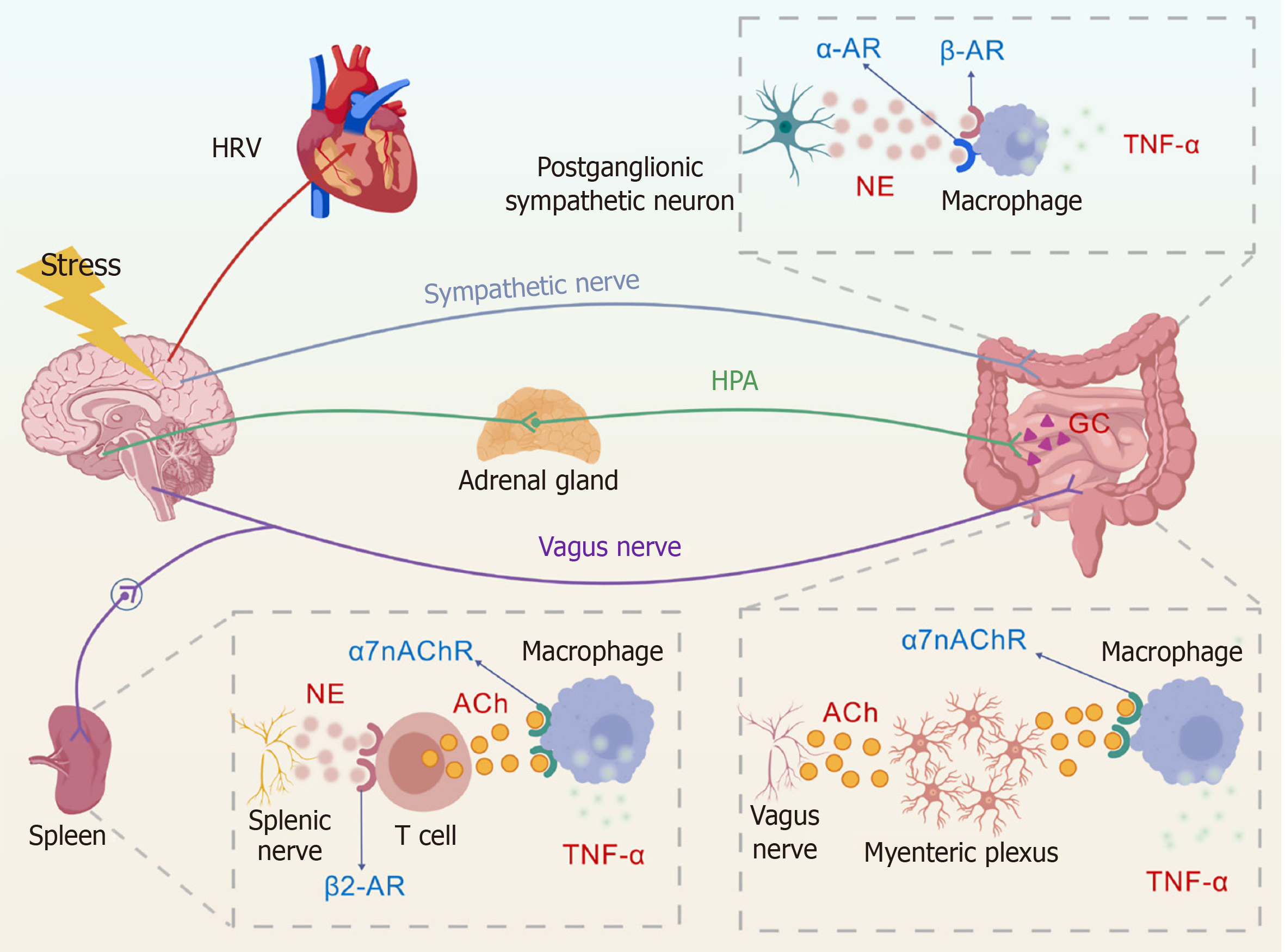
Figure 6 The role of autonomic nervous system in stress-related inflammatory bowel disease.
Stress-induced sympathetic nervous system activation increases norepinephrine (NE) release and signals through α-adrenergic receptor (AR) and β-AR. Excessive sympathetic nervous system activity can slow intestinal motility, impair the mucosal barrier, and promote inflammation. Vagus nerve stimulation may suppress inflammation through hypothalamic-pituitary-adrenal axis-dependent glucocorticoid release. The vagus nerve engages abdominal ganglia and the splenic nerve, promoting NE release from splenic nerve terminals. NE activates β2-AR on cholinergic T lymphocytes, inducing acetylcholine (ACh) release. ACh activates α 7 nicotinic ACh receptor on macrophages and inhibits tumor necrosis factor-α production. Vagal fibers also regulate the enteric nervous system through the myenteric plexus. ACh signaling can activate α 7 nicotinic ACh receptor on intestinal macrophages and reduce pro-inflammatory cytokine release. HRV: Heart rate variability; AR: Adrenergic receptor; NE: Norepinephrine; TNF-α: Tumor necrosis factor-α; HPA: Hypothalamic-pituitary-adrenal axis; GC: Glucocorticoid; ACh: Acetylcholine; α7nAChR: Α 7 nicotinic acetylcholine receptor. The pattern was created with BioGDP.com[14].
- Citation: Hu XX, Zhang XP, Wang CX, Yang RR, Ma LX, Wu SW, Jiang WQ, Deng PM, Zhang T, Su XL, Wei W. Autonomic nervous system as a key modulator in stress-related inflammatory bowel disease: Mechanisms and therapeutic implications. World J Gastroenterol 2027; 33(2): 123982
- URL: https://www.wjgnet.com/1007-9327/full/v33/i2/123982.htm
- DOI: https://dx.doi.org/10.3748/wjg.123982