
















Copyright: ©Author(s) 2026.
World J Gastroenterol. Jan 14, 2027; 33(2): 123982
Published online Jan 14, 2027. doi: 10.3748/wjg.123982
Published online Jan 14, 2027. doi: 10.3748/wjg.123982
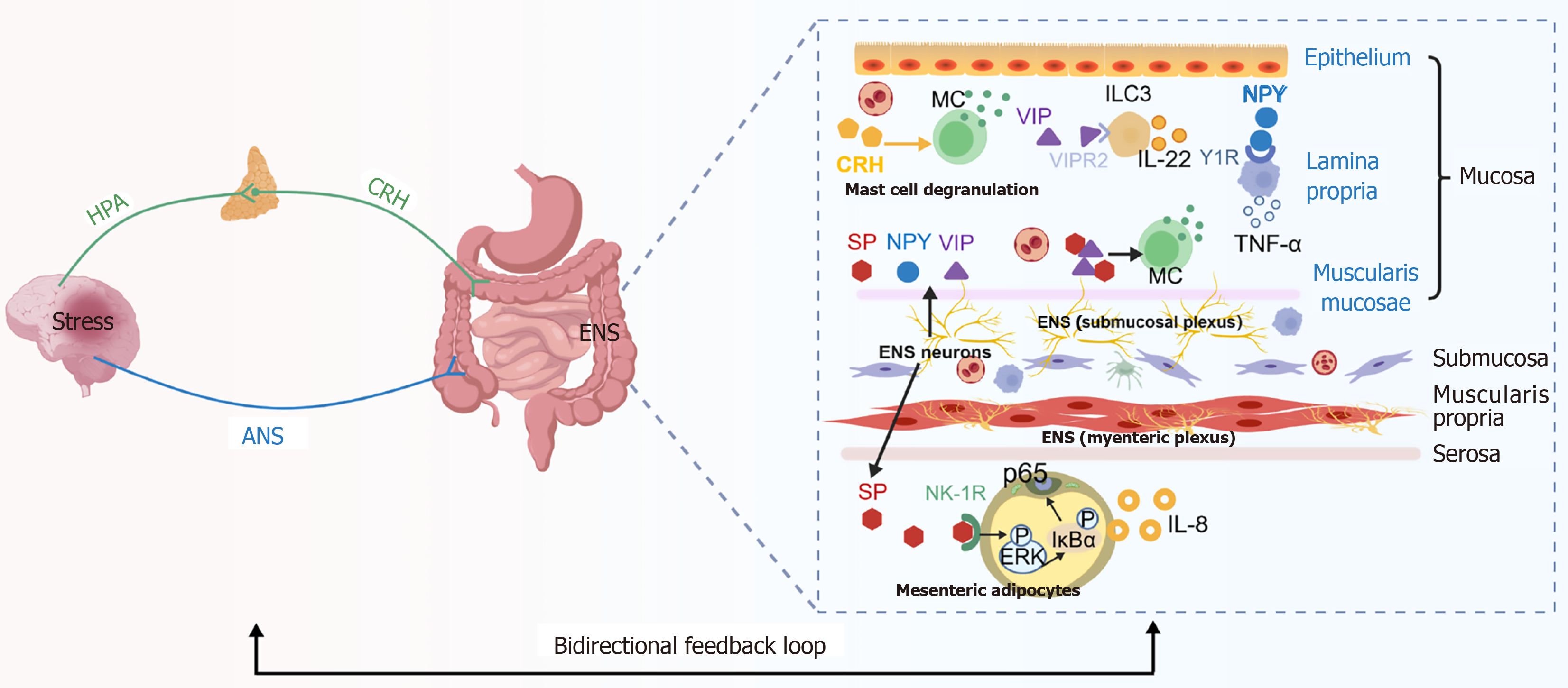
Figure 4 Stress-induced enteric nervous system signaling regulating intestinal immune responses.
Stress activates the hypothalamic-pituitary-adrenal axis and autonomic nervous system, which modulate enteric nervous system activity and neuropeptide release. Enteric nervous system-derived substance P, vasoactive intestinal peptide, and neuropeptide Y regulate immune cell activation, mast cell responses, group 3 innate lymphoid cells-mediated mucosal protection, and inflammatory signaling in mesenteric adipocytes. These neuroimmune interactions establish a bidirectional feedback loop that influences intestinal inflammation and disease progression. HPA: Hypothalamic-pituitary-adrenal axis; CRH: Corticotropin-releasing hormone; ANS: Autonomic nervous system; ENS: Enteric nervous system; MC: Mast cell; VIP: Vasoactive intestinal peptide; NPY: Neuropeptide Y; ILC3: Group 3 innate lymphoid cells; TNF-α: Tumor necrosis factor-α; SP: Substance P; IL: Interleukin. The pattern was created with BioGDP.com[14].
- Citation: Hu XX, Zhang XP, Wang CX, Yang RR, Ma LX, Wu SW, Jiang WQ, Deng PM, Zhang T, Su XL, Wei W. Autonomic nervous system as a key modulator in stress-related inflammatory bowel disease: Mechanisms and therapeutic implications. World J Gastroenterol 2027; 33(2): 123982
- URL: https://www.wjgnet.com/1007-9327/full/v33/i2/123982.htm
- DOI: https://dx.doi.org/10.3748/wjg.123982