
















Copyright: ©Author(s) 2026.
World J Gastroenterol. Jan 14, 2027; 33(2): 123982
Published online Jan 14, 2027. doi: 10.3748/wjg.123982
Published online Jan 14, 2027. doi: 10.3748/wjg.123982
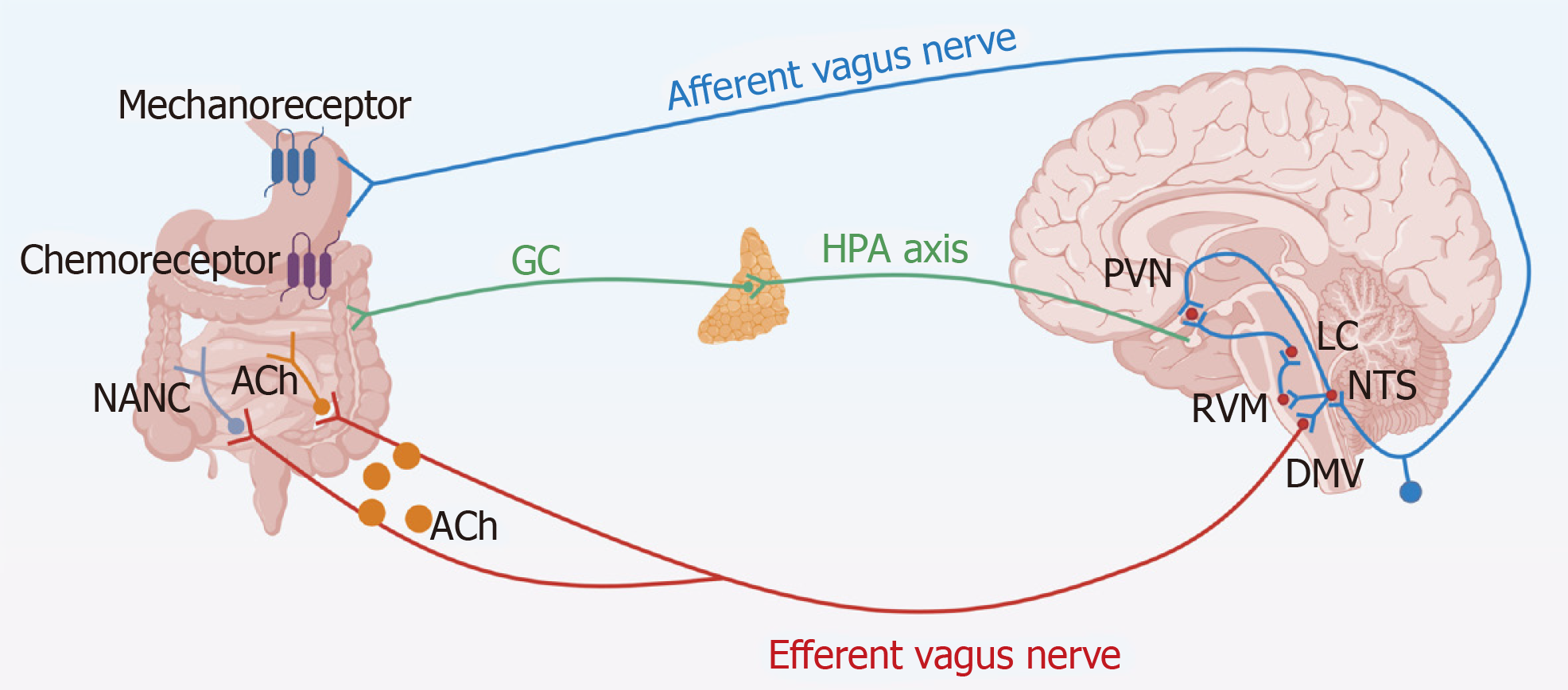
Figure 3 Bidirectional communication between vagus nerve and gastrointestinal tract.
The digestive system transmits signals through mechanoreceptors (e.g., food-related mucosal stroking, distension, and contraction) and chemoreceptors (detecting nutrients, hormones, pH, and immune stimuli). These signals travel through vagal afferent fibers to the nucleus tractus solitarius (NTS) and then to the central nervous system. The NTS processes visceral sensory information and transmits it to higher brain regions, including the paraventricular nucleus, the dorsal motor nucleus of the vagus, and the rostral ventromedial medulla. γ-aminobutyric acid, glutamate, and norepinephrine act as primary neurotransmitters in this process. The paraventricular nucleus of hypothalamus, upon the integration of signals, activates corticotropin-releasing hormone neurons to stimulate the hypothalamic-pituitary-adrenal axis, leading to the release of glucocorticoids that regulate gastrointestinal function. The rostral ventromedial medulla, influenced by NTS projections, modulates visceral pain perception through μ-opioid receptors. Simultaneously, the dorsal motor nucleus of the vagus, following signal integration, activates excitatory pathways via vagal efferent fibers to release acetylcholine or inhibitory pathways to release non-adrenergic non-cholinergic neurotransmitters like nitric oxide or vasoactive intestinal peptide in the digestive tract. Ach: Acetylcholine; NANC: Non-adrenergic non-cholinergic; GC: Glucocorticoid; HPA: Hypothalamic-pituitary-adrenal axis; PVN: Paraventricular nucleus of hypothalamus; RVM: Rostral ventromedial medulla; DMV: Dorsal motor nucleus of vagus; LC: Locus coeruleus; NTS: Nucleus tractus solitarius. The pattern was created with BioGDP.com[14].
- Citation: Hu XX, Zhang XP, Wang CX, Yang RR, Ma LX, Wu SW, Jiang WQ, Deng PM, Zhang T, Su XL, Wei W. Autonomic nervous system as a key modulator in stress-related inflammatory bowel disease: Mechanisms and therapeutic implications. World J Gastroenterol 2027; 33(2): 123982
- URL: https://www.wjgnet.com/1007-9327/full/v33/i2/123982.htm
- DOI: https://dx.doi.org/10.3748/wjg.123982