















Copyright: ©Author(s) 2026.
World J Gastroenterol. Nov 7, 2026; 32(41): 121544
Published online Nov 7, 2026. doi: 10.3748/wjg.121544
Published online Nov 7, 2026. doi: 10.3748/wjg.121544
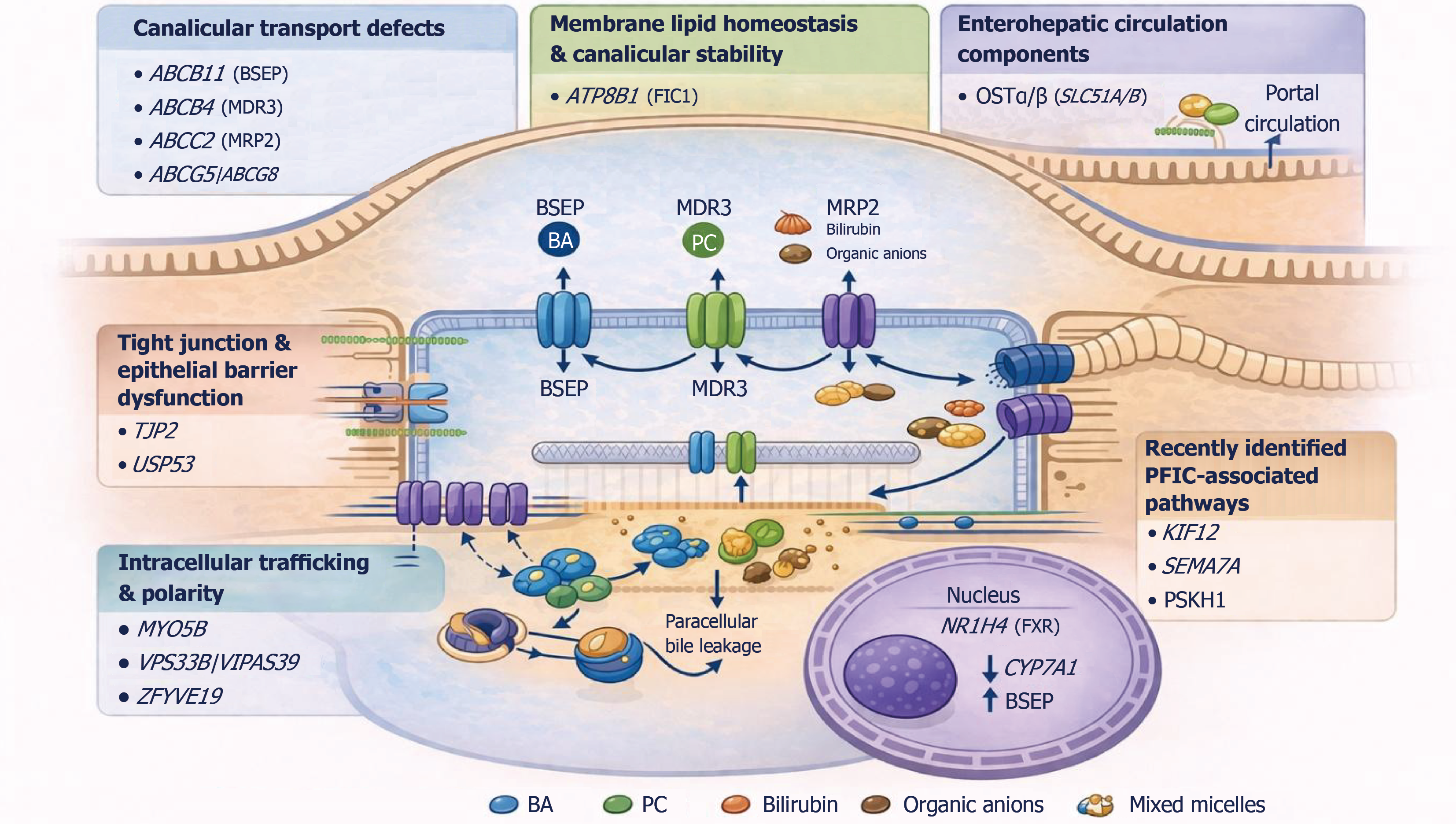
Figure 1 Mechanism-based classification of progressive familial intrahepatic cholestasis.
This schematic illustrates the principal molecular pathways involved in hepatocellular bile formation and secretion and summarizes the major mechanistic categories underlying progressive familial intrahepatic cholestasis. Canalicular transport defects (e.g., ABCB11, ABCB4, ABCC2, ABCG5/ABCG8) impair bile acid, phospholipid, and organic anion secretion, whereas defects in membrane lipid homeostasis (ATP8B1) compromise canalicular membrane stability. Tight junction abnormalities (TJP2, USP53) disrupt epithelial barrier integrity and promote paracellular bile leakage, while intracellular trafficking and polarity defects (MYO5B, VPS33B, ZFYVE19) impair canalicular transporter localization. Nuclear receptor dysfunction (NR1H4) alters bile acid synthesis and transporter regulation, whereas defects in enterohepatic circulation (SLC51A/SLC51B) disrupt bile acid recycling. OST: Organic solute transporter; BSEP: Bile salt export pump; MDR3: Multidrug resistance protein-3; MRP2: Multi-drug resistance protein 2; BA: Bile acid; PC: Phosphatidylcholine; FXR: Farnesoid X receptor; PFIC: Progressive familial intrahepatic cholestasis. The authors used artificial intelligence (AI) tools to assist in the generation of graphical content included in this manuscript. All AI-generated images were reviewed, verified, and approved by the authors, who take full responsibility for the accuracy, originality, and integrity of the final content.
- Citation: Islek A, İşlek SK, Tumgor G. Progressive familial intrahepatic cholestasis: From childhood to adulthood. World J Gastroenterol 2026; 32(41): 121544
- URL: https://www.wjgnet.com/1007-9327/full/v32/i41/121544.htm
- DOI: https://dx.doi.org/10.3748/wjg.121544