
















Copyright: ©Author(s) 2026.
World J Gastroenterol. Sep 14, 2026; 32(34): 119467
Published online Sep 14, 2026. doi: 10.3748/wjg.119467
Published online Sep 14, 2026. doi: 10.3748/wjg.119467
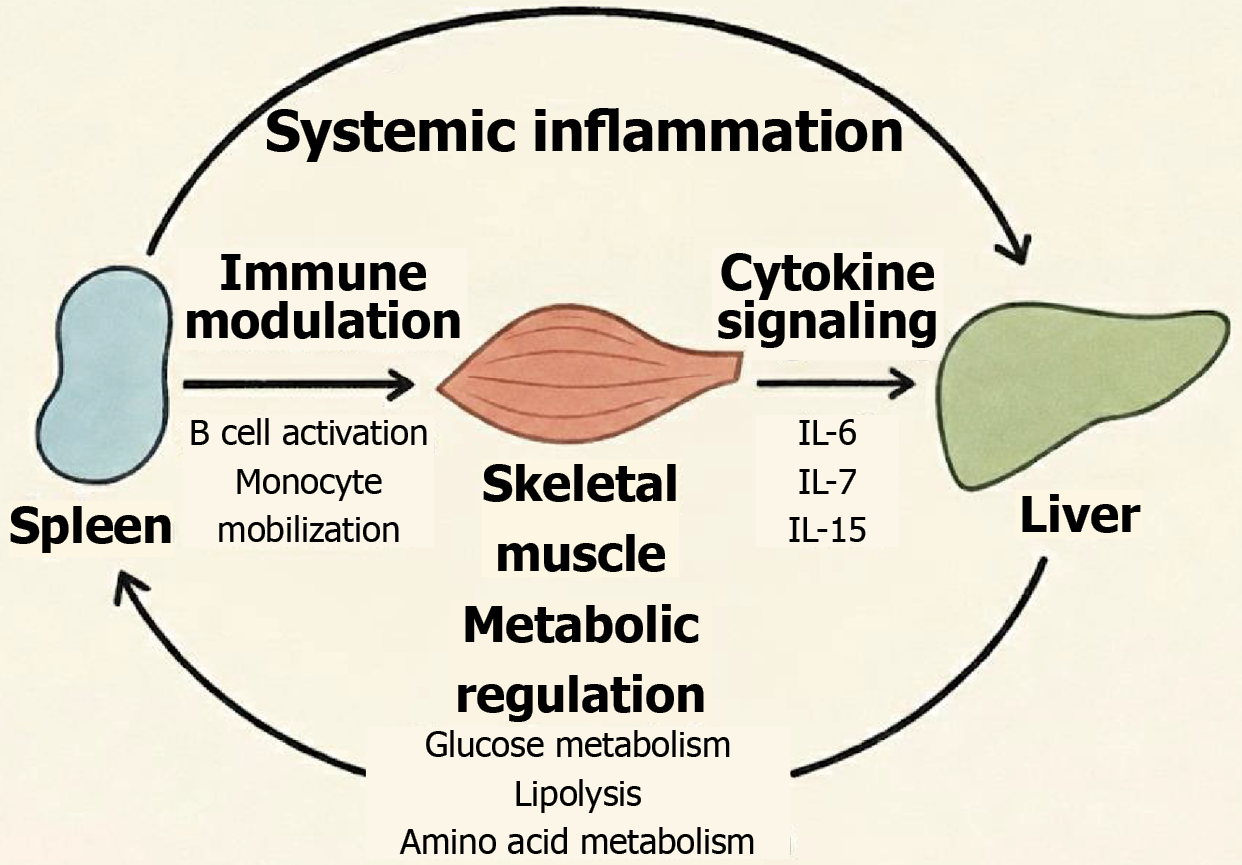
Figure 3 Crosstalk among the muscle, spleen, and liver.
The diagram shows a bidirectional crosstalk among the skeletal muscle, spleen, and liver in the context of metabolic dysfunction and chronic inflammation. Skeletal muscle communicates with the liver through myokines, aminoacid fluxes, and insulin sensitivity pathways, influencing hepatic lipid handling and systemic glucose homeostasis. The spleen contributes immunometabolic signals, including cytokines, monocyte trafficking, and modulation of systemic inflammatory tone that shape hepatic inflammation and fibrogenesis. Reciprocal feedback from the liver, via hepatokines and metabolic intermediates, affects both muscle metabolism and splenic immune activity, highlighting a dynamic tri-organ network central to metabolic disease progression[89-91].
- Citation: Tarantino G, Citro V. Liver-spleen axis: Deciphering a crucial crosstalk in non-alcoholic fatty liver disease progression and therapeutic implications. World J Gastroenterol 2026; 32(34): 119467
- URL: https://www.wjgnet.com/1007-9327/full/v32/i34/119467.htm
- DOI: https://dx.doi.org/10.3748/wjg.119467