
















Copyright: ©Author(s) 2026.
World J Gastroenterol. Aug 21, 2026; 32(31): 117409
Published online Aug 21, 2026. doi: 10.3748/wjg.117409
Published online Aug 21, 2026. doi: 10.3748/wjg.117409
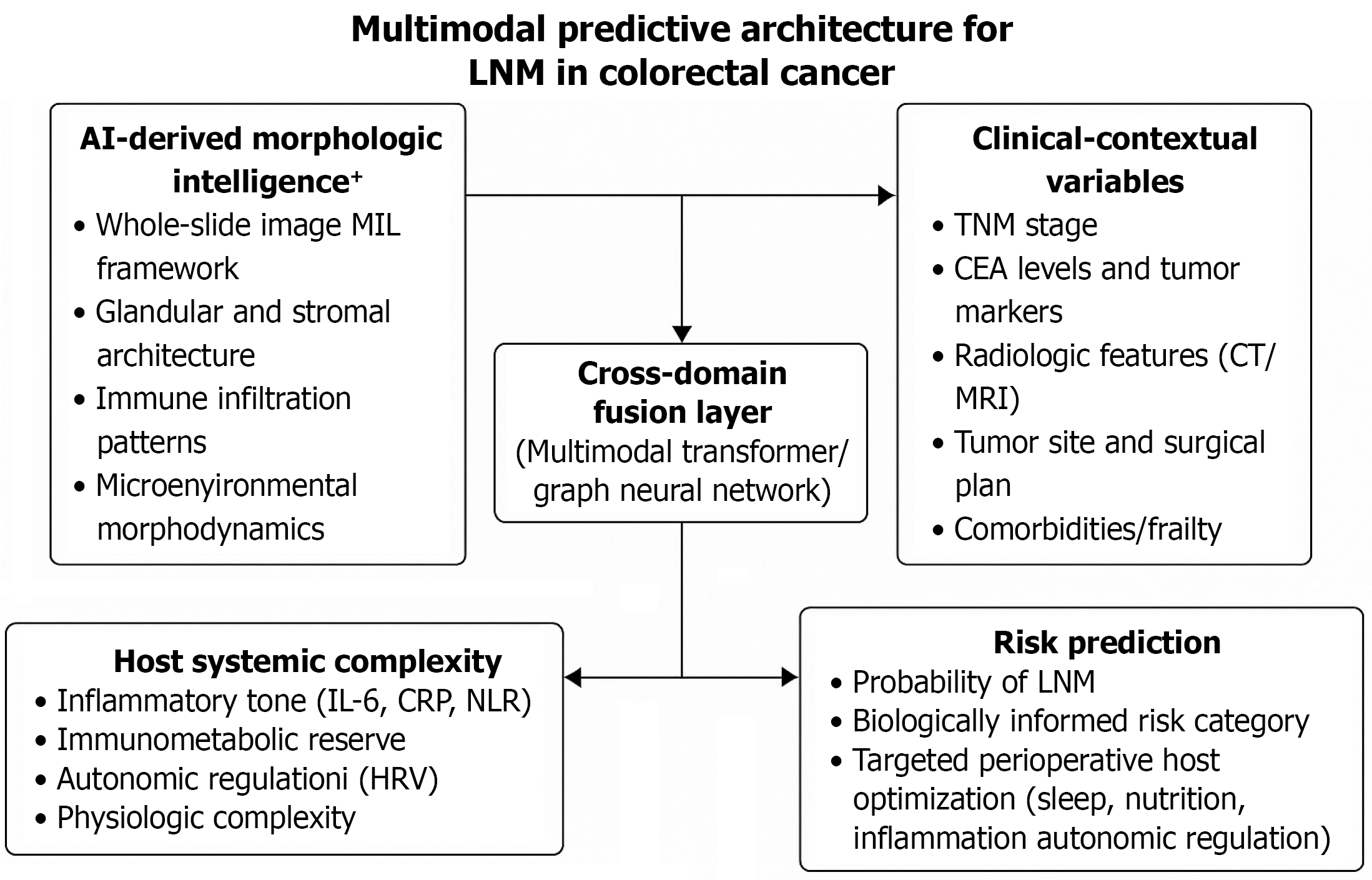
Figure 2 Multimodal predictive architecture for lymph node metastasis in colorectal cancer.
Multimodal predictive architecture extending the multiple instance learning framework reported by Zou et al[6] for lymph node metastasis in colorectal cancer. This conceptual framework builds upon AI-derived morphologic intelligence from whole-slide images, as implemented in the MIL model of Zou et al[6], and integrates two additional domains: (1) Clinical-contextual variables, including tumor-node-metastasis stage, tumor markers (carcinoembryonic antigen), radiologic features (computed tomography, magnetic resonance imaging), and comorbidities; and (2) Host systemic complexity, such as inflammatory tone (interleukin-6, C-reactive protein), heart rate variability, and immune response (neutrophil-lymphocyte ratio). A cross-domain fusion layer extends the morphology-based prediction paradigm toward a biologically integrated model of lymph node metastasis risk, supporting more comprehensive and individualized surgical decision-making. AI: Artificial intelligence; WSI: Whole-slide images; IL: Interleukin; CRP: C-reactive protein; HRV: Heart rate variability; NLR: Neutrophil-lymphocyte ratio; TNM: Tumor-node-metastasis; CEA: Carcinoembryonic antigen; CT: Computed tomography; MRI: Magnetic resonance imaging; LNM: Lymph node metastasis.
- Citation: Wang G, Pan SJ. Artificial intelligence morphology and host complexity for precision prediction of nodal metastasis in colorectal cancer. World J Gastroenterol 2026; 32(31): 117409
- URL: https://www.wjgnet.com/1007-9327/full/v32/i31/117409.htm
- DOI: https://dx.doi.org/10.3748/wjg.117409