
















©The Author(s) 2025.
World J Gastroenterol. Sep 14, 2025; 31(34): 110051
Published online Sep 14, 2025. doi: 10.3748/wjg.v31.i34.110051
Published online Sep 14, 2025. doi: 10.3748/wjg.v31.i34.110051
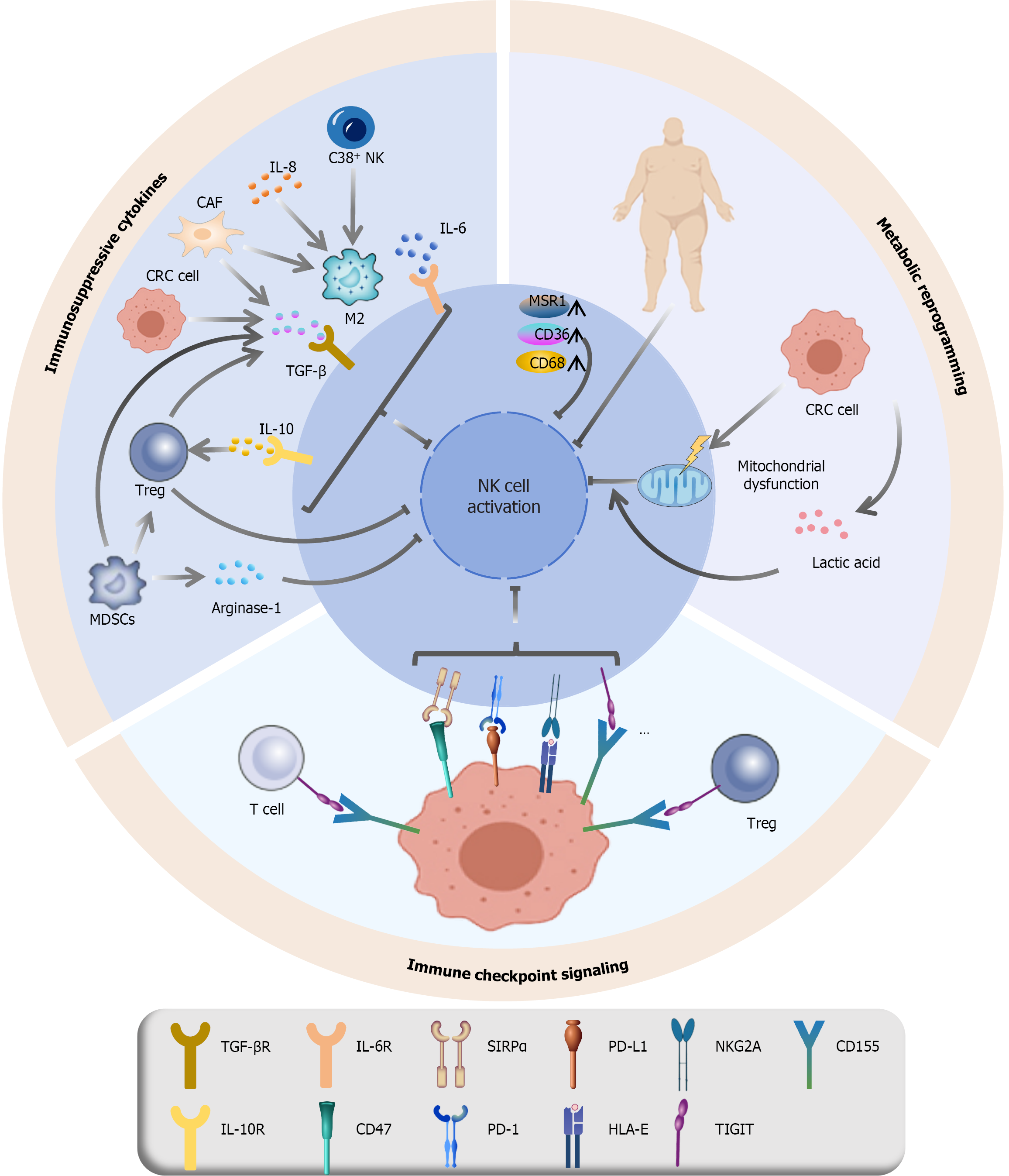
Figure 2 Suppressive mechanisms in the tumor microenvironment that impair natural killer cell function.
The antitumor activity of natural killer (NK) cells is compromised in the colorectal cancer microenvironment through multiple inhibitory mechanisms[49-53,55,57-65,70,77-80]: (1) Immunosuppressive cytokines: Cytokines such as interleukin (IL)-8, IL-6, transforming growth factor-β, and IL-10, which are secreted by cancer-associated fibroblasts, M2 macrophages, and colorectal cancer cells, directly or indirectly suppress NK cell cytotoxicity and effector functions; (2) Immune checkpoint signaling: Inhibitory immune checkpoint pathways, including like tyrosine-based inhibitory motif domain, programmed cell death protein 1, NK group 2, member A, and signal-regulatory protein alpha, along with their respective ligands, transmit suppressive signals that dampen NK cell activation and promote immune evasion; and (3) Metabolic dysregulation: Mitochondrial dysfunction, oxidative stress and apoptosis in NK cells are exacerbated by mitochondrial impairment. Another mechanism is lactate-mediated suppression, where high lactate levels in the tumor microenvironment induce mitochondrial stress, which further inhibits NK cell activity. Finally, lipid accumulation due to aberrant lipid metabolism is indicated by elevated macrophage scavenger receptor 1, CD36, and CD68, which impairs NK cell function and reduces tumor-killing capacity. NK: Natural killer; IL: Interleukin; CAF: Cancer-associated fibroblast; CRC: Colorectal cancer; MSR1: Macrophage scavenger receptor 1; TGF: Transforming growth factor; Treg: Regulatory T cell; MDSC: Myeloid-derived suppressor cell; SIRPα: Signal-regulatory protein alpha; PD-L1: Programmed death ligand 1; NKG2A: Natural killer group 2, member A; PD-1: Programmed cell death protein 1; HLA: Human leukocyte antigen; TIGIT: Tyrosine-based inhibitory motif domain.
- Citation: Zhang XJ, Yu Y, Li JY, Yan YZ, Jiang SS, Zhang Y, Fei Q, Zhang YR, Zhao YX, Guo L, Lv J, Zhao HP. Natural killer cell-based immunotherapies for colorectal cancer: Current strategies, challenges, and future perspectives. World J Gastroenterol 2025; 31(34): 110051
- URL: https://www.wjgnet.com/1007-9327/full/v31/i34/110051.htm
- DOI: https://dx.doi.org/10.3748/wjg.v31.i34.110051