
















Copyright: ©Author(s) 2026.
World J Transplant. Sep 18, 2026; 16(3): 124190
Published online Sep 18, 2026. doi: 10.5500/wjt.124190
Published online Sep 18, 2026. doi: 10.5500/wjt.124190
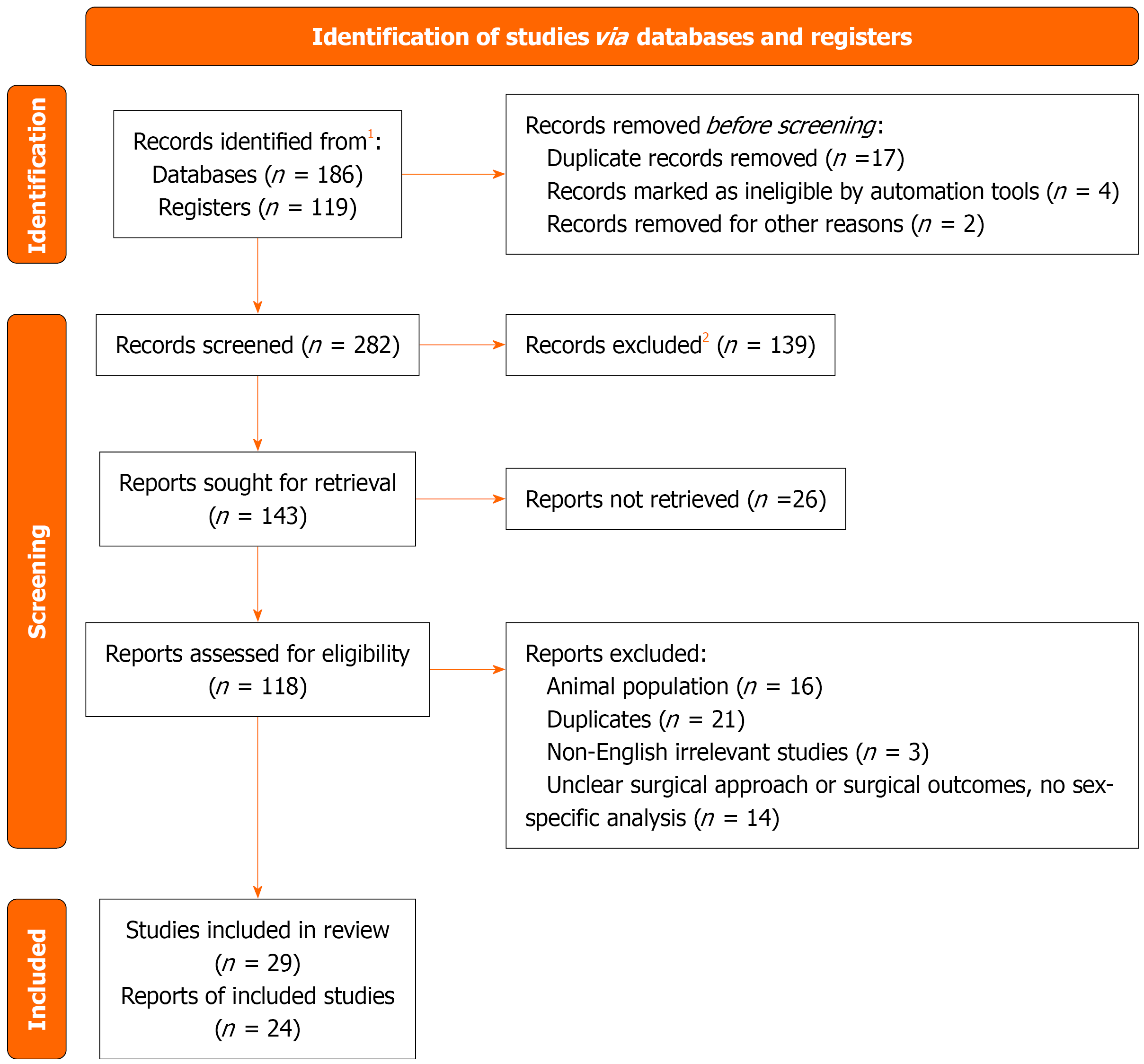
Figure 1 PRISMA 2020 standard guidelines.
1Records identified from PubMed, Scopus/MEDLINE, Google Scholar and National and International Liver Transplantation Registries; 2If automation tools were used, indicate how many records were excluded by a human and how many were excluded by automation tools.
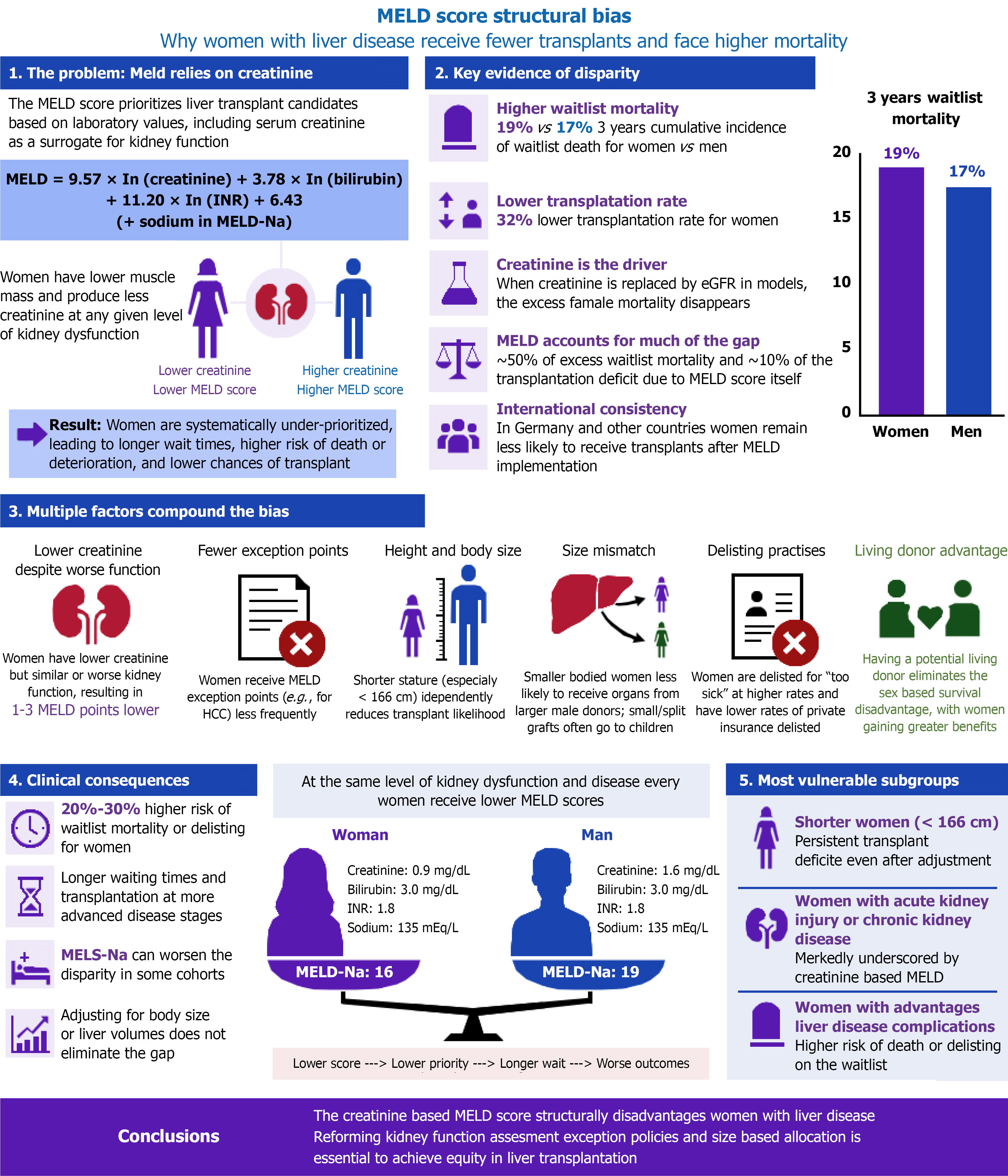
Figure 2 Model for end-stage liver disease score structural bias.
(Figure created through Adobe Photoshop). Conceptual illustration showing how biological, disease-related, and healthcare-system factors can influence model for end-stage liver disease (MELD) scores and transplant priority, potentially leading to disparities in waitlist mortality and access to liver transplantation among different patient populations. eGFR: Estimated glomerular filtration rate; HCC: Hepatocellular carcinoma; INR: International normalized ratio.
- Citation: Rozani S, Papadopoulos A, Smyrnis G, Albanesi F, Papadakos SP, Liatsou E, Balaraman Sundararajan V, Petagna L, Rozani G, Vougas V. Addressing gender-based disparities in liver transplantation: A global analysis of surgical access and donor organ allocation. World J Transplant 2026; 16(3): 124190
- URL: https://www.wjgnet.com/2220-3230/full/v16/i3/124190.htm
- DOI: https://dx.doi.org/10.5500/wjt.124190