
















Copyright: ©Author(s) 2026.
World J Crit Care Med. Sep 9, 2026; 15(3): 119806
Published online Sep 9, 2026. doi: 10.5492/wjccm.119806
Published online Sep 9, 2026. doi: 10.5492/wjccm.119806
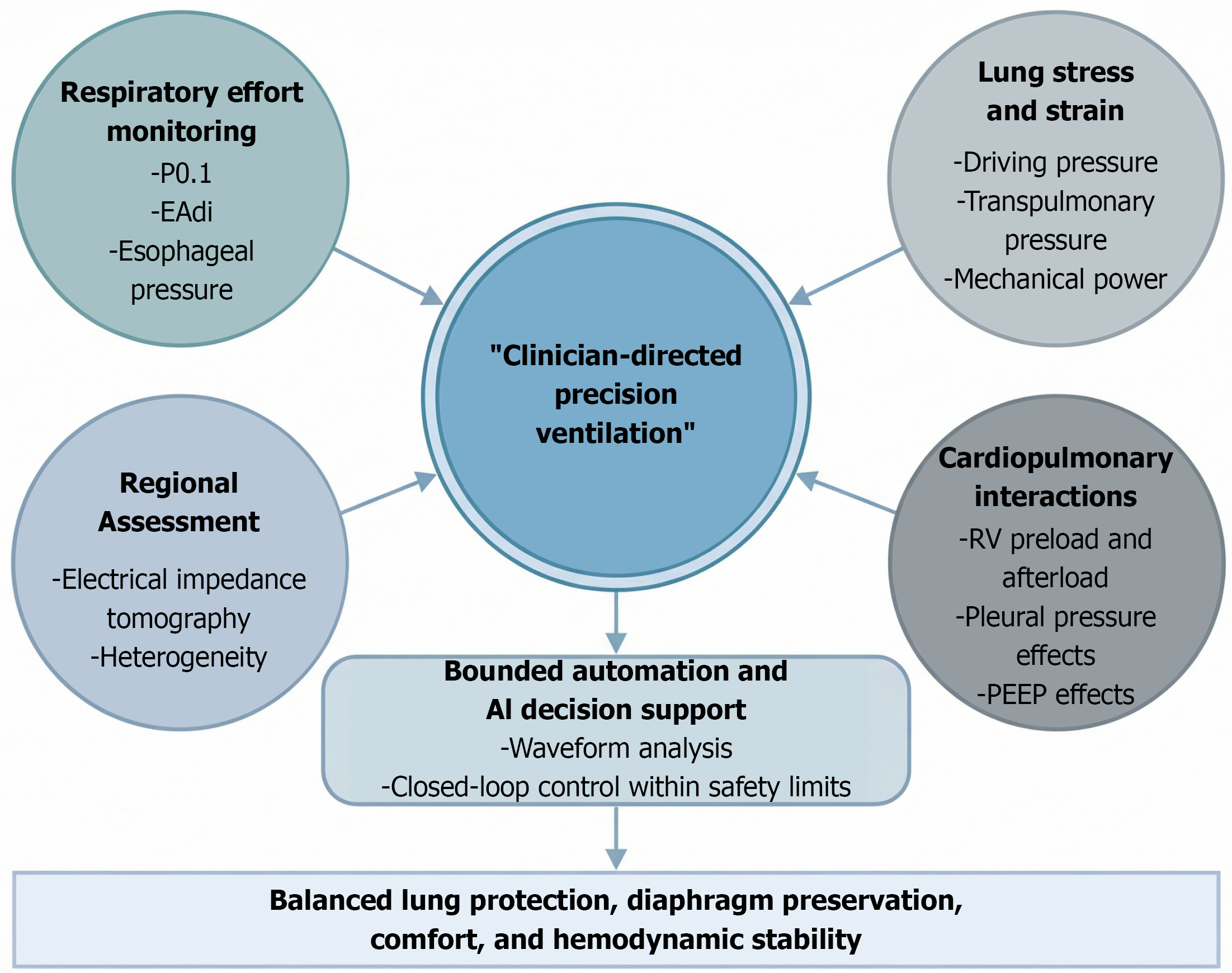
Figure 1 Integrated physiology-guided ventilation framework.
Schematic representation of a clinician-directed precision ventilation model. Central to the framework is integration of four physiologic domains: Respiratory effort monitoring (airway occlusion pressure, diaphragm electrical activity, esophageal pressure), lung stress and strain assessment (driving pressure, transpulmonary pressure, mechanical power), regional assessment of ventilation heterogeneity (electrical impedance tomography), and cardiopulmonary interactions (right ventricular preload and afterload, pleural pressure effects, and positive end-expiratory pressure-related hemodynamic consequences). These domains converge within a clinician-directed decision process rather than functioning as isolated targets. Bounded automation and artificial intelligence decision support, including waveform analysis and closed-loop control within predefined safety limits, serve as adjunctive tools. The overall objective is dynamic balancing of lung protection, diaphragm preservation, patient comfort, and hemodynamic stability in critically ill patients. AI: Artificial intelligence; PEEP: Positive end-expiratory pressure; P0.1: Airway occlusion pressure; EAdi: Diaphragm electrical activity; RV: Right ventricular.
- Citation: Yohannes R, Jeffries G, Eskandari S, Calamaro J, Zetola NM, Healy WJ. Physiology-guided mechanical ventilation: Monitoring, proportional assist, and bounded automation. World J Crit Care Med 2026; 15(3): 119806
- URL: https://www.wjgnet.com/2220-3141/full/v15/i3/119806.htm
- DOI: https://dx.doi.org/10.5492/wjccm.119806