
















Copyright: ©Author(s) 2026.
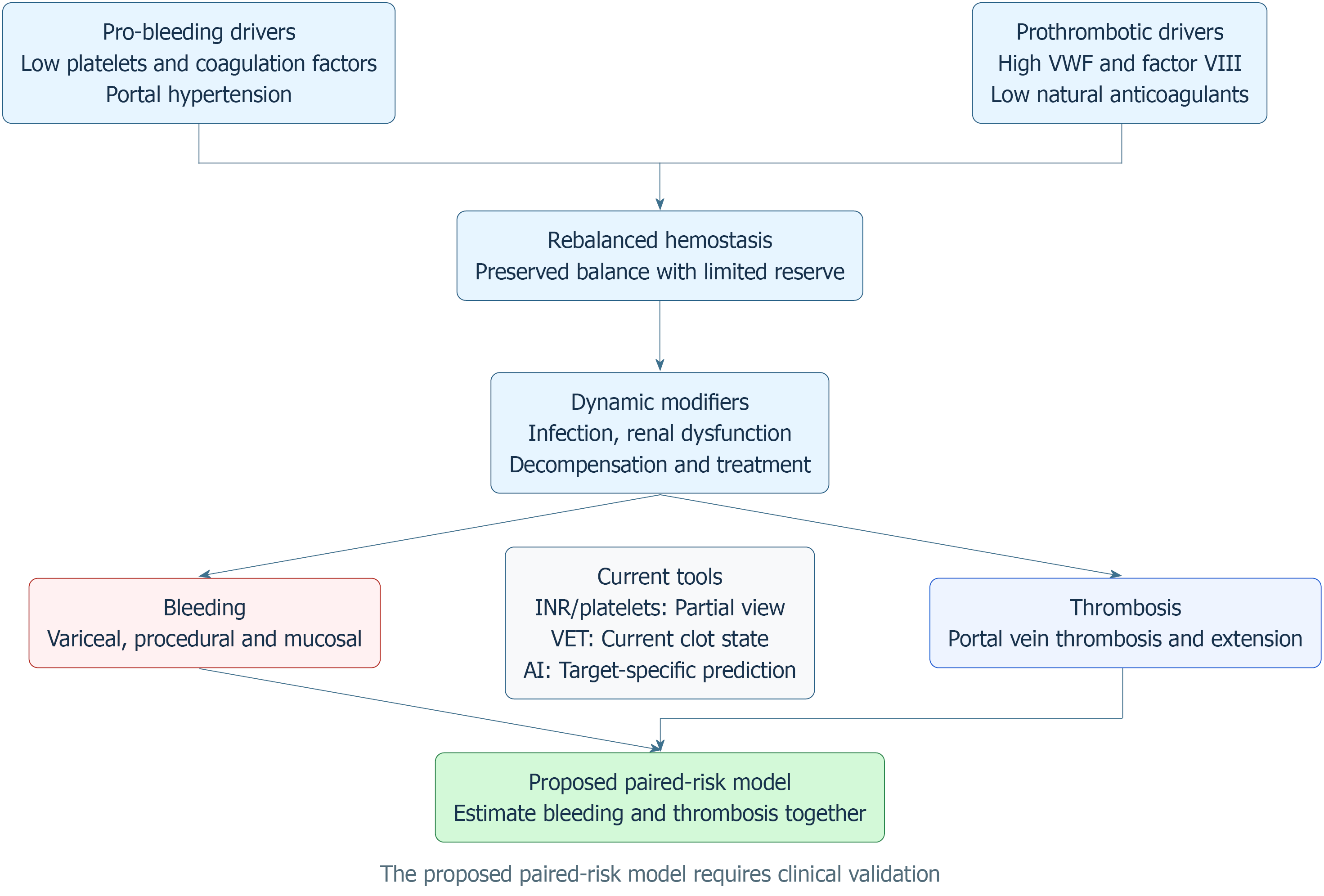
Figure 1 Conceptual framework of rebalanced hemostasis in chronic liver disease and its bleeding and thrombotic complications.
Pro-bleeding and prothrombotic drivers can coexist in a fragile equilibrium with limited reserve. Arrows indicate hypothesized clinical relationships rather than quantified causal effects. Current assays and target-specific artificial intelligence models assess different aspects of this system; the diagram is not a validated clinical algorithm. AI: Artificial intelligence; INR: International normalized ratio; VET: Viscoelastic testing; VWF: Von Willebrand factor.
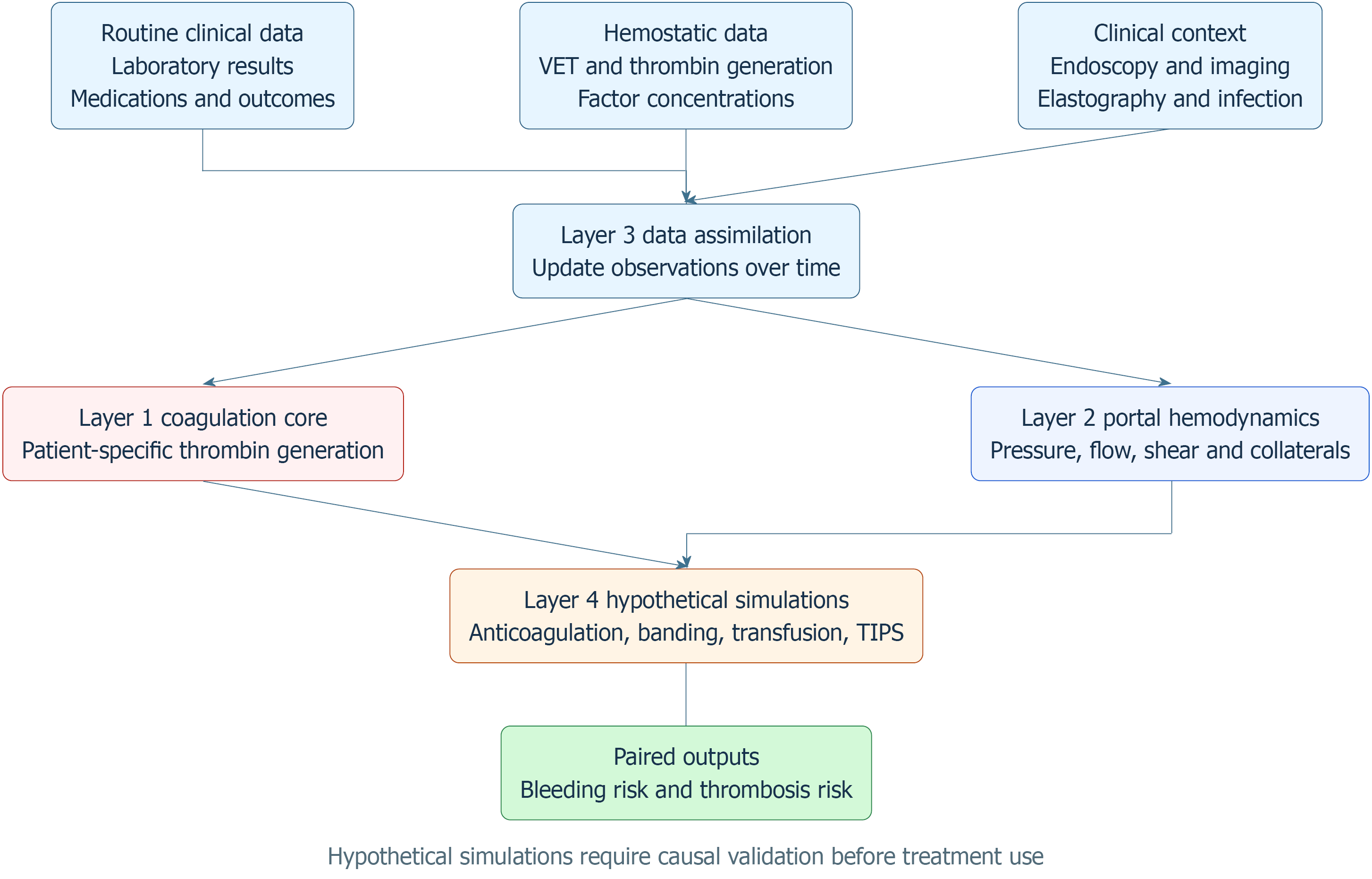
Figure 2 Proposed digital twin of the coagulation-portal axis in chronic liver disease.
This proposed research design brings together longitudinal data assimilation, a patient-specific coagulation core, portal-hemodynamic modeling, and simulations of hypothetical interventions. Arrows show the proposed flow of information. Producing paired estimates of bleeding and thrombosis remains a research aim; these estimates would not establish treatment effects for an individual patient. Clinical use would require causal validation and prospective evaluation. TIPS: Transjugular intrahepatic portosystemic shunt; VET: Viscoelastic testing.
- Citation: Salman A. Artificial intelligence and the rebalanced hemostasis of chronic liver disease: From viscoelastic testing to digital twins. World J Hematol 2026; 12(3): 126171
- URL: https://www.wjgnet.com/2218-6204/full/v12/i3/126171.htm
- DOI: https://dx.doi.org/10.5315/wjh.126171