
















Copyright: ©Author(s) 2026.
World J Clin Oncol. Nov 24, 2026; 17(11): 123888
Published online Nov 24, 2026. doi: 10.5306/wjco.123888
Published online Nov 24, 2026. doi: 10.5306/wjco.123888
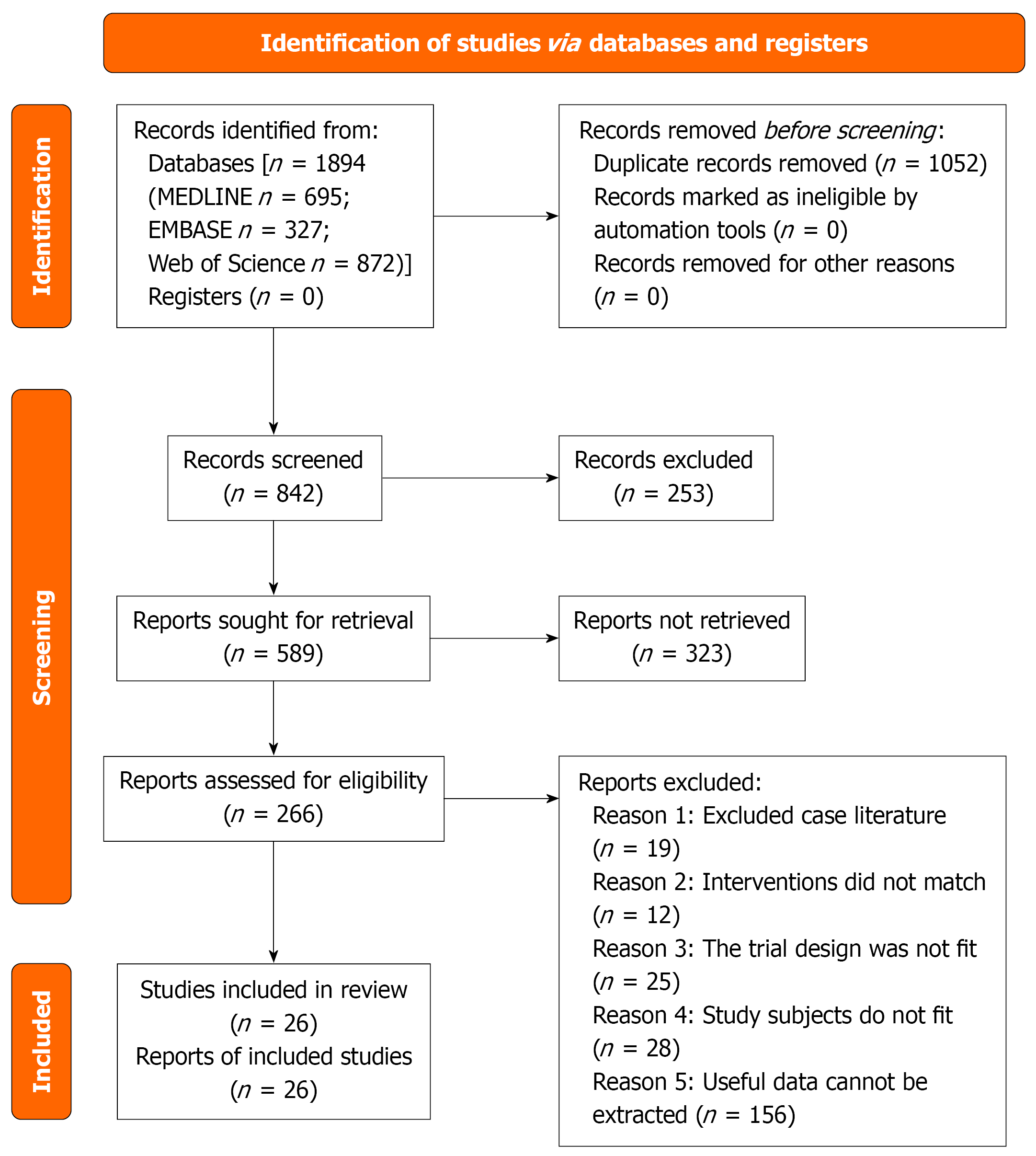
Figure 1
Flow diagram of the literature search and selection.
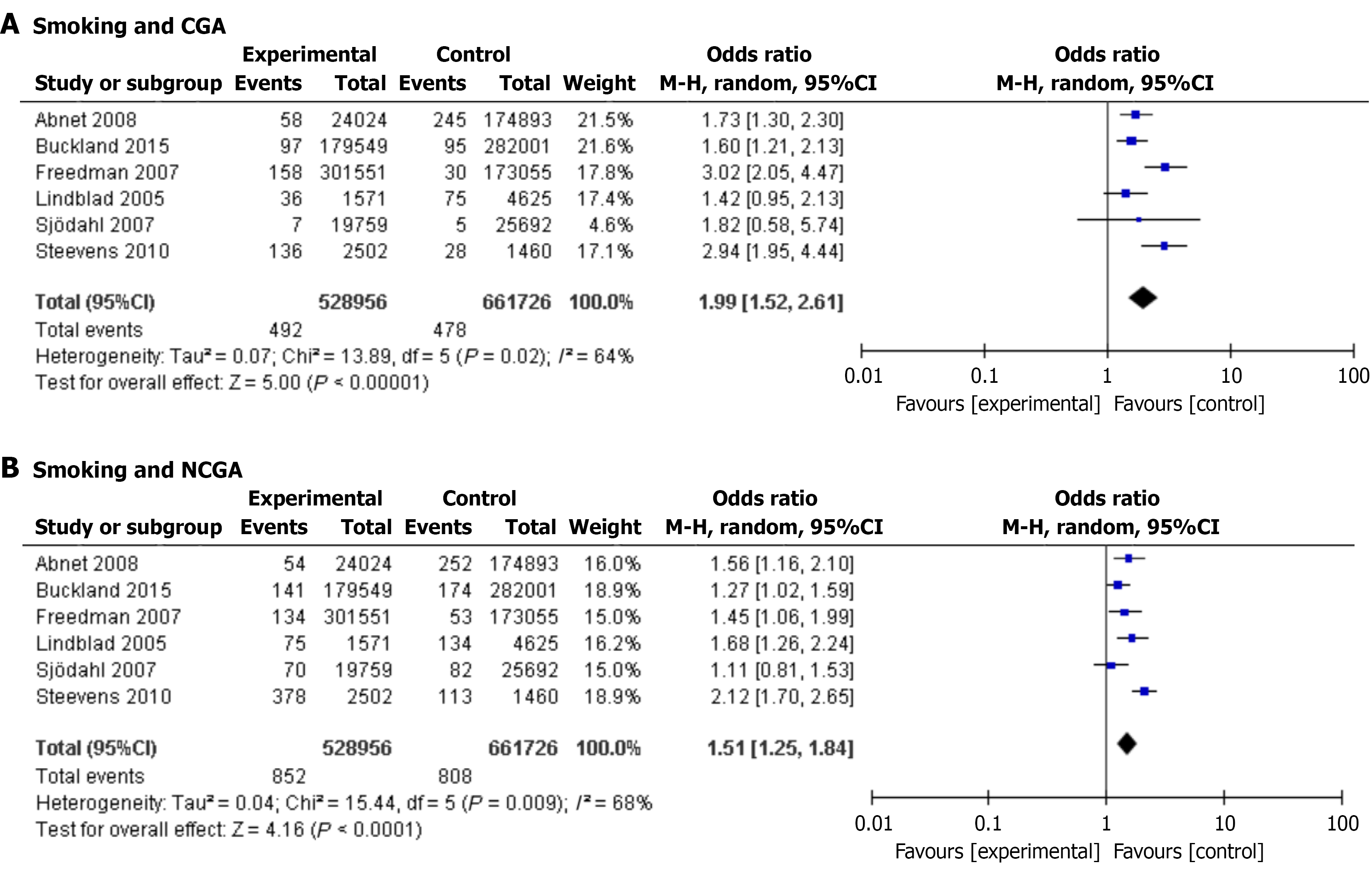
Figure 2 Association of smoking with gastric cancer.
Forest plots of the odds ratio showed that smoking significantly increases the risk of cardia gastric adenocarcinoma (CGA) and non-CGA (NCGA). A: CGA; B: NCGA. Data were pooled from 6 studies using a random-effects model (Mantel-Haenszel). Heterogeneity: CGA, I² = 64%, P < 0.00001; NCGA, I² = 68%, P < 0.0001. CGA: Cardia gastric adenocarcinoma; NCGA: Non-cardia gastric adenocarcinoma; CI: Confidence interval.
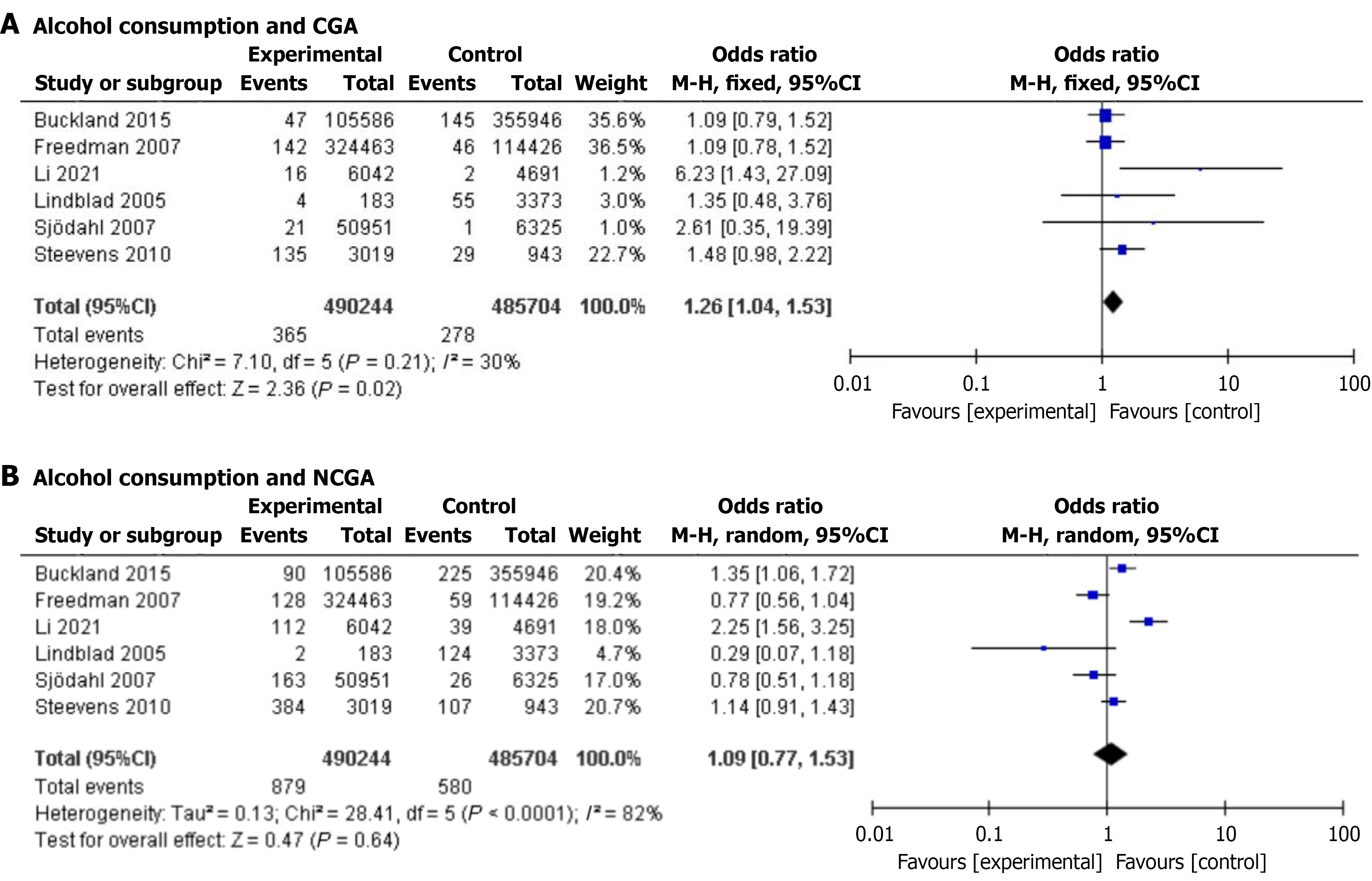
Figure 3 The relationships of alcohol consumption with gastric cancer.
A: Forest plots showed that alcohol consumption significantly increases the incidence risk of cardia gastric adenocarcinoma (CGA); B: Alcohol consumption was not significantly associated with non-CGA (NCGA). Data were pooled from 6 studies using a fixed-effect model for CGA and a random-effects model for NCGA (Mantel-Haenszel) due to substantial heterogeneity in NCGA. Heterogeneity: CGA, I2 = 30%, P = 0.02; NCGA, I2 = 82%, P = 0.64. CGA: Cardia gastric adenocarcinoma; NCGA: Non-cardia gastric adenocarcinoma; CI: Confidence interval.
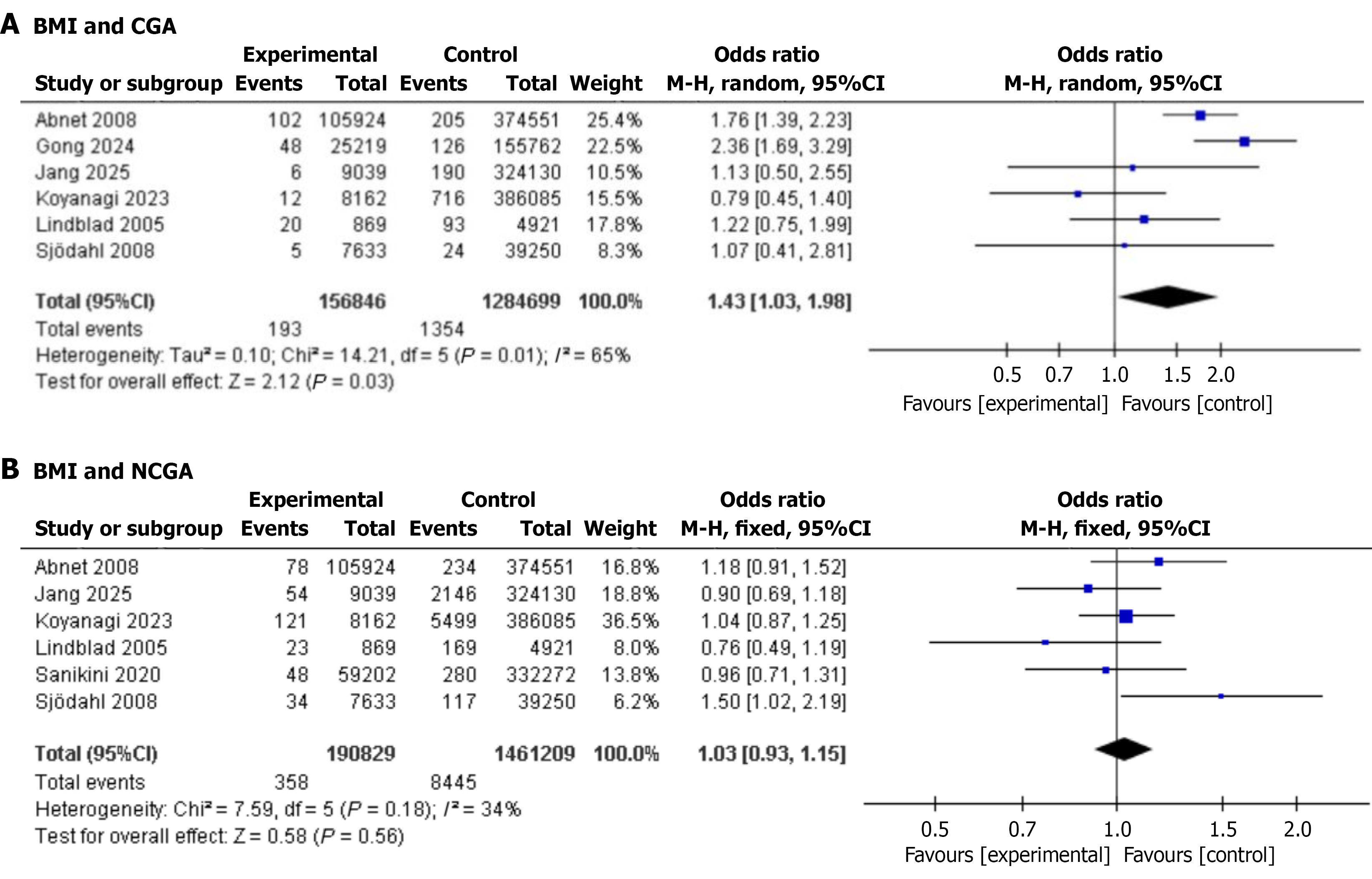
Figure 4 The relationships of body mass index with gastric cancer.
A: Forest plots showed that higher body mass index was significantly associated with an increased risk of cardia gastric adenocarcinoma (CGA); B: No significant association was observed with non-CGA (NCGA). Data were pooled from 6 studies (CGA) and 6 studies (NCGA) using a random-effects model for CGA and a fixed-effect model for NCGA (Mantel-Haenszel) due to substantial heterogeneity in CGA. Heterogeneity: CGA, I2 = 65%, P =0.03; NCGA, I2 = 34%, P = 0.56. CGA: Cardia gastric adenocarcinoma; NCGA: Non-cardia gastric adenocarcinoma; BMI: Body mass index; CI: Confidence interval.
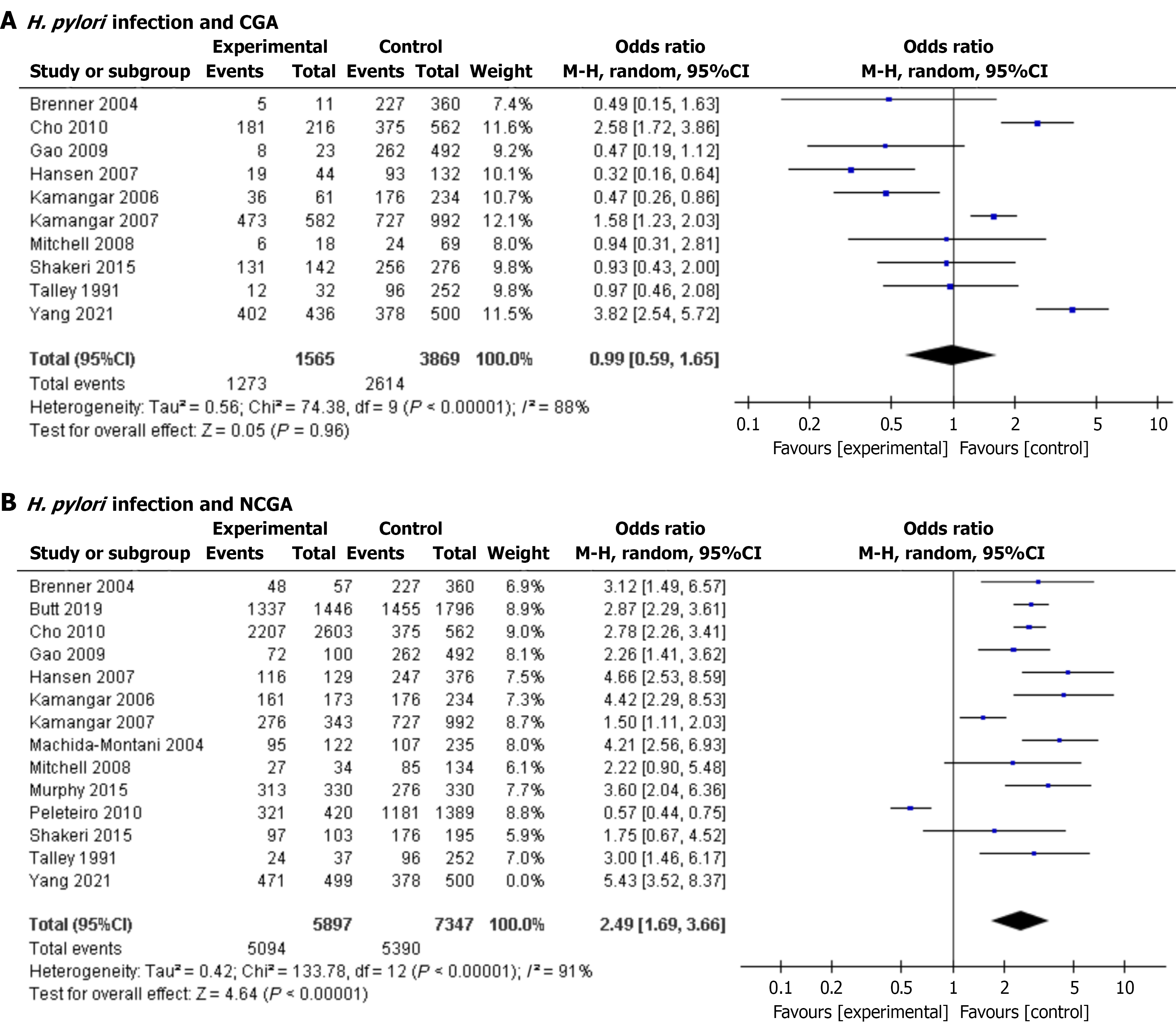
Figure 5 The relationships of Helicobacter pylori infection with gastric cancer.
A: Forest plots of the odds ratio showed that Helicobacter pylori (H. pylori) infection was not significantly associated with cardia gastric adenocarcinoma (CGA); B: H. pylori infection significantly increased the risk of non-CGA (NCGA). Data were pooled from 10 studies (CGA) and 14 studies (NCGA) using a random-effects model (Mantel-Haenszel) due to substantial heterogeneity. Heterogeneity: CGA, I2 = 88%, P = 0.96; NCGA, I2 = 91%, P < 0.00001. CGA: Cardia gastric adenocarcinoma; NCGA: Non-cardia gastric adenocarcinoma; H. pylori: Helicobacter pylori; CI: Confidence interval.
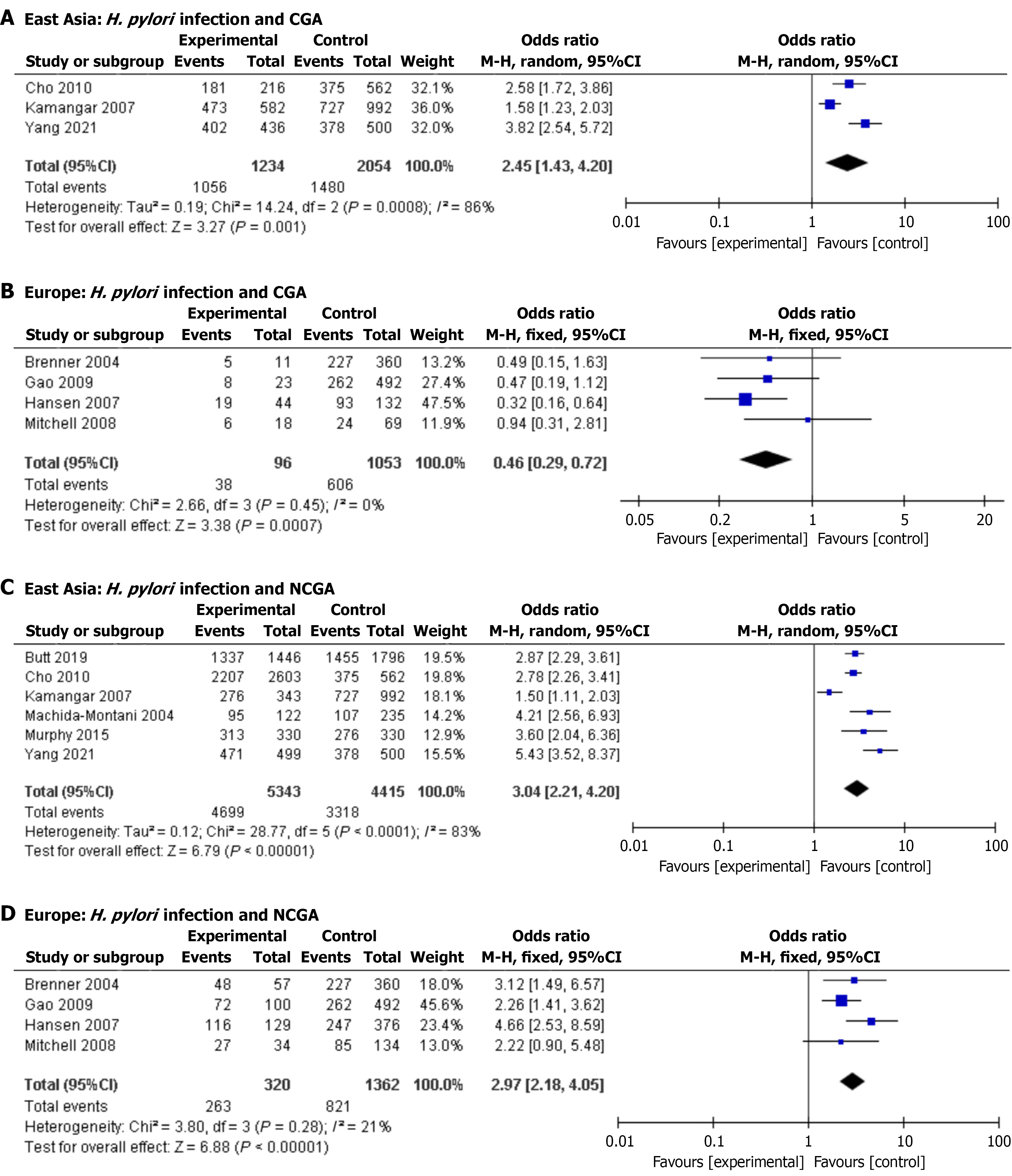
Figure 6 Subgroup analysis of Helicobacter pylori infection in gastric adenocarcinoma and non-cardia gastric adenocarcinoma.
A and B: Helicobacter pylori (H. pylori) infection was significantly associated with an increased risk of cardia gastric adenocarcinoma (CGA) in East Asians and with a decreased risk in Europeans; C and D: H. pylori infection significantly increased the risk of non-CGA in East Asians and in Europeans. Data were pooled using random-effects models for the East Asian subgroups and fixed-effects models for the European subgroups (Mantel-Haenszel) based on heterogeneity. H. pylori: Helicobacter pylori; CGA: Cardia gastric adenocarcinoma; NCGA: Non-cardia gastric adenocarcinoma; CI: Confidence interval.
- Citation: Yuan RR, Zhang Y, Zhang Y, Gou ST, Yu YH, Hao RY, An N, Guo JS, Chang XL, Xu XL, Dong C, Li J, Xue LY. Lifestyle factors, obesity, and Helicobacter pylori infection in gastric cancer by anatomical subsite: A systematic review and meta-analysis. World J Clin Oncol 2026; 17(11): 123888
- URL: https://www.wjgnet.com/2218-4333/full/v17/i11/123888.htm
- DOI: https://dx.doi.org/10.5306/wjco.123888